114 South Alves Street (Once 124 South Alves)
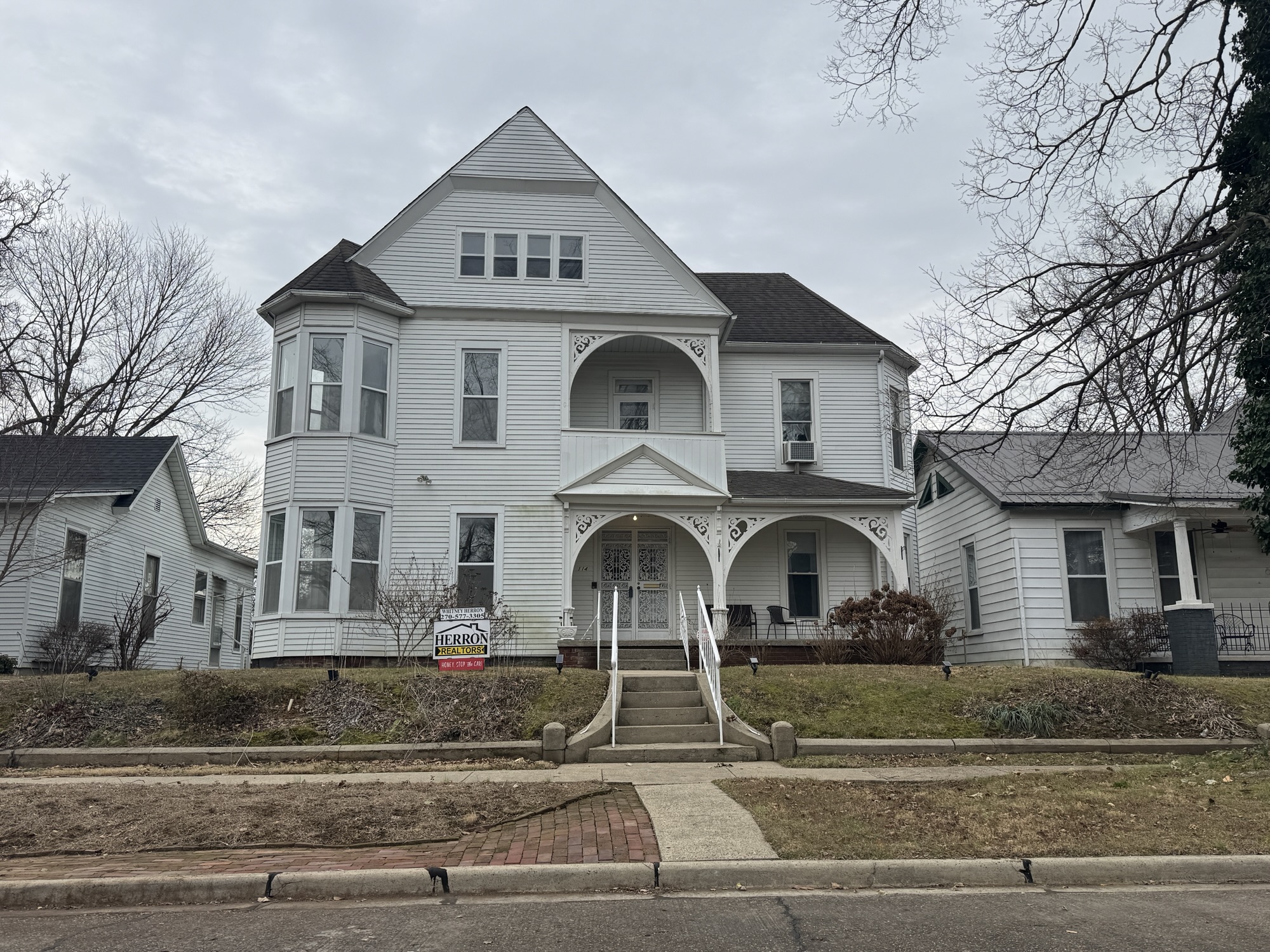
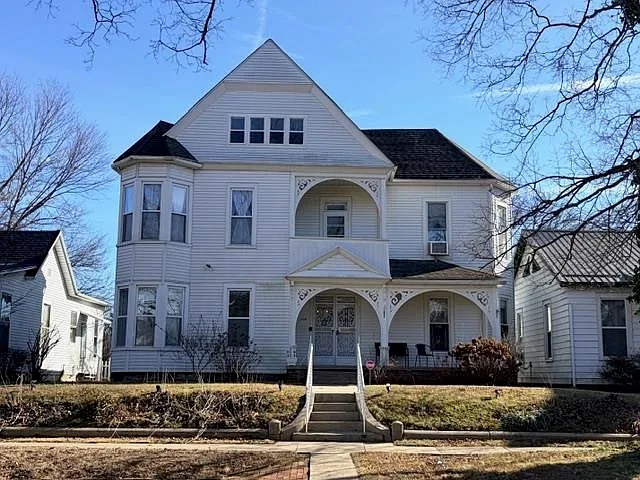
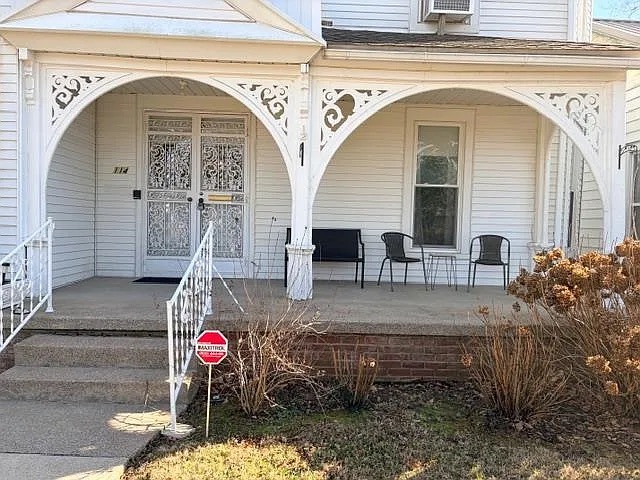
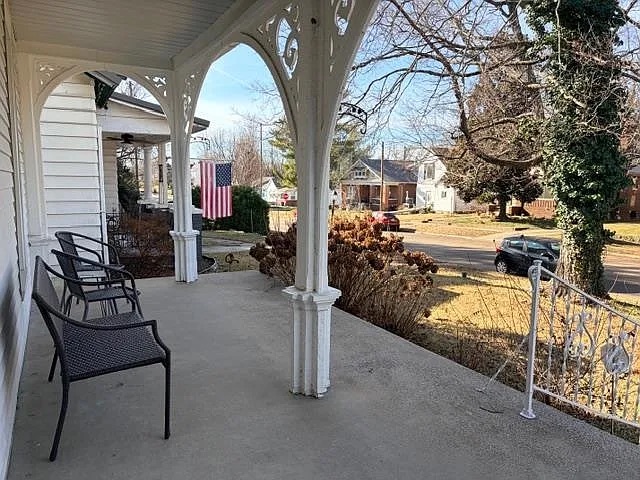
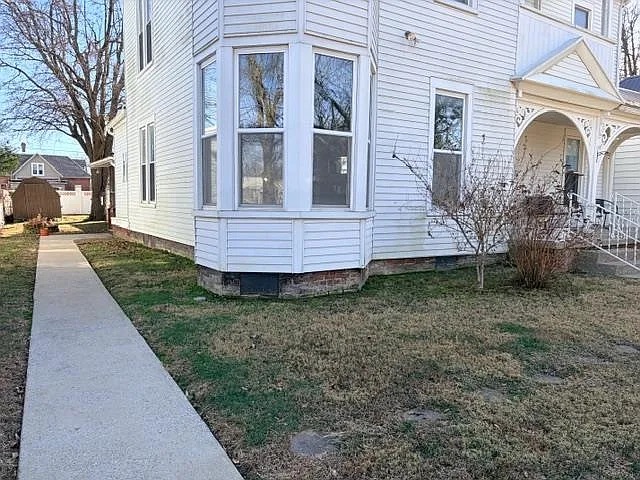
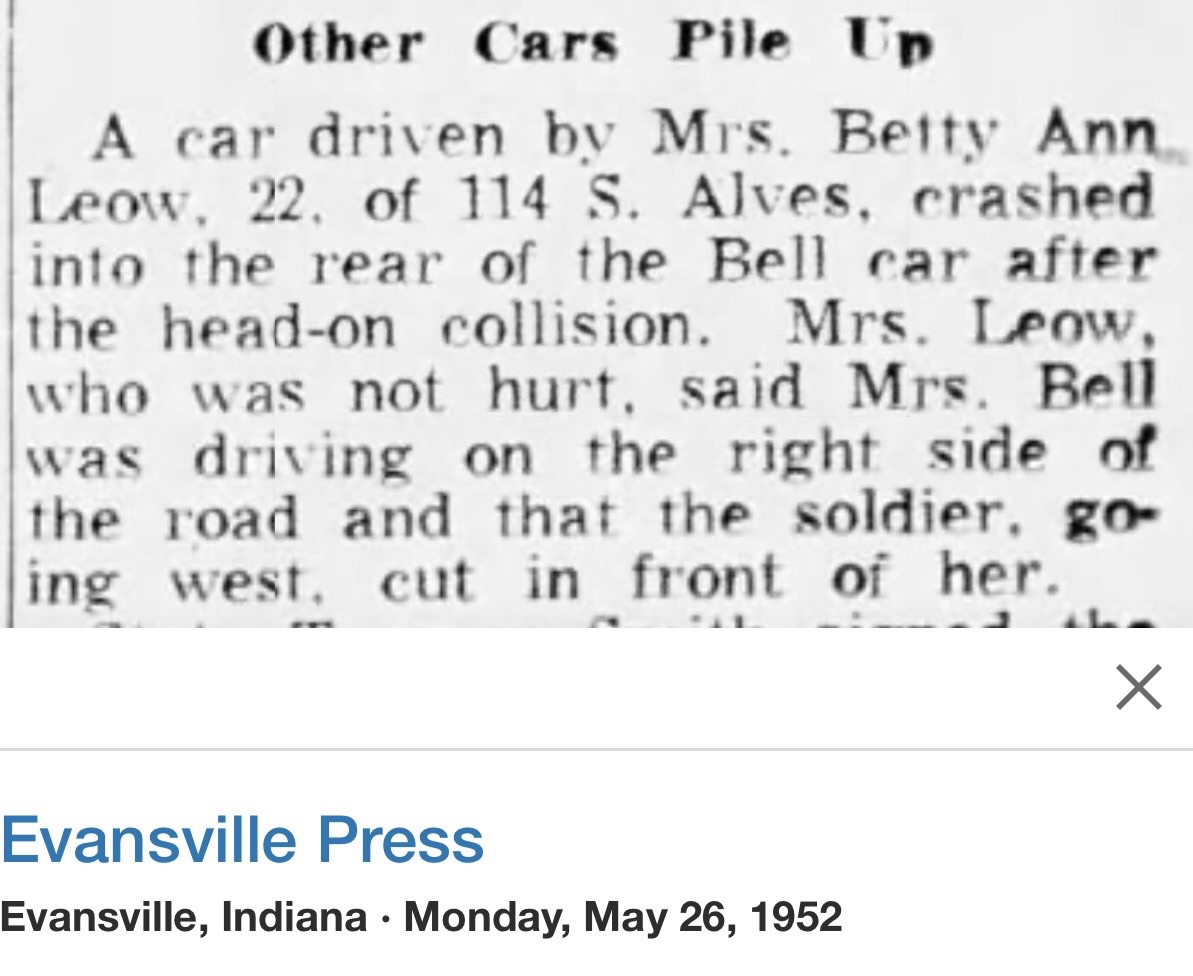
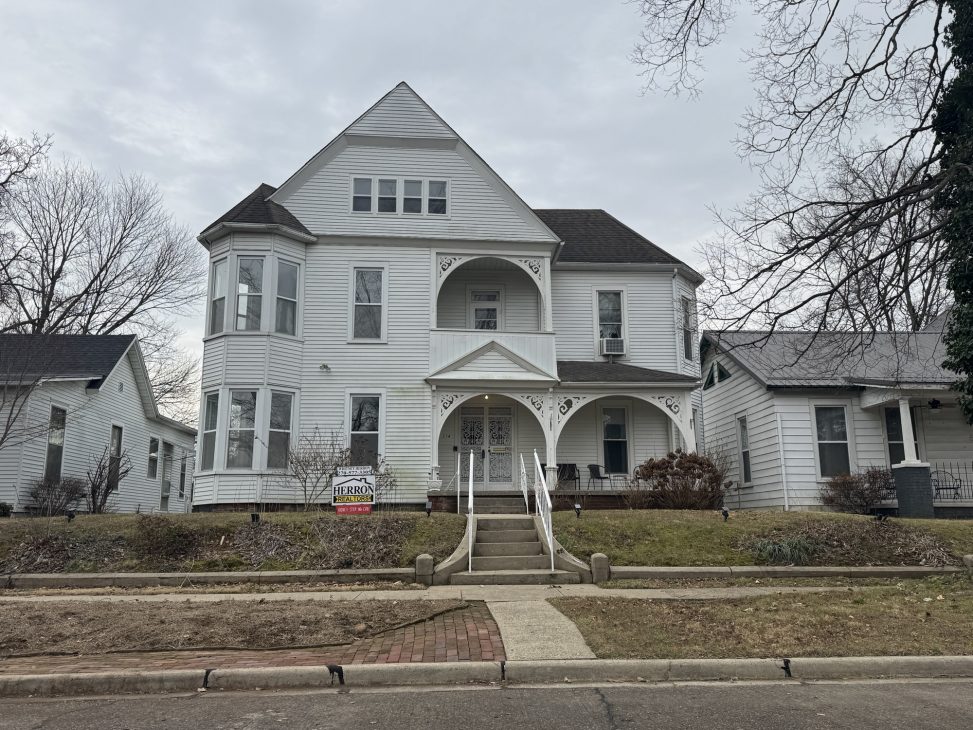
If you stand on South Alves Street and look at 114, you’re looking at more than a Victorian house crowned with a turret and wrapped in porch trim. You’re looking at a home that has carried two addresses, sheltered prominent Henderson families, and quietly shaped neighborhood life for more than 130 years.
For a time, this wasn’t 114 at all. It was 124 South Alves Street.
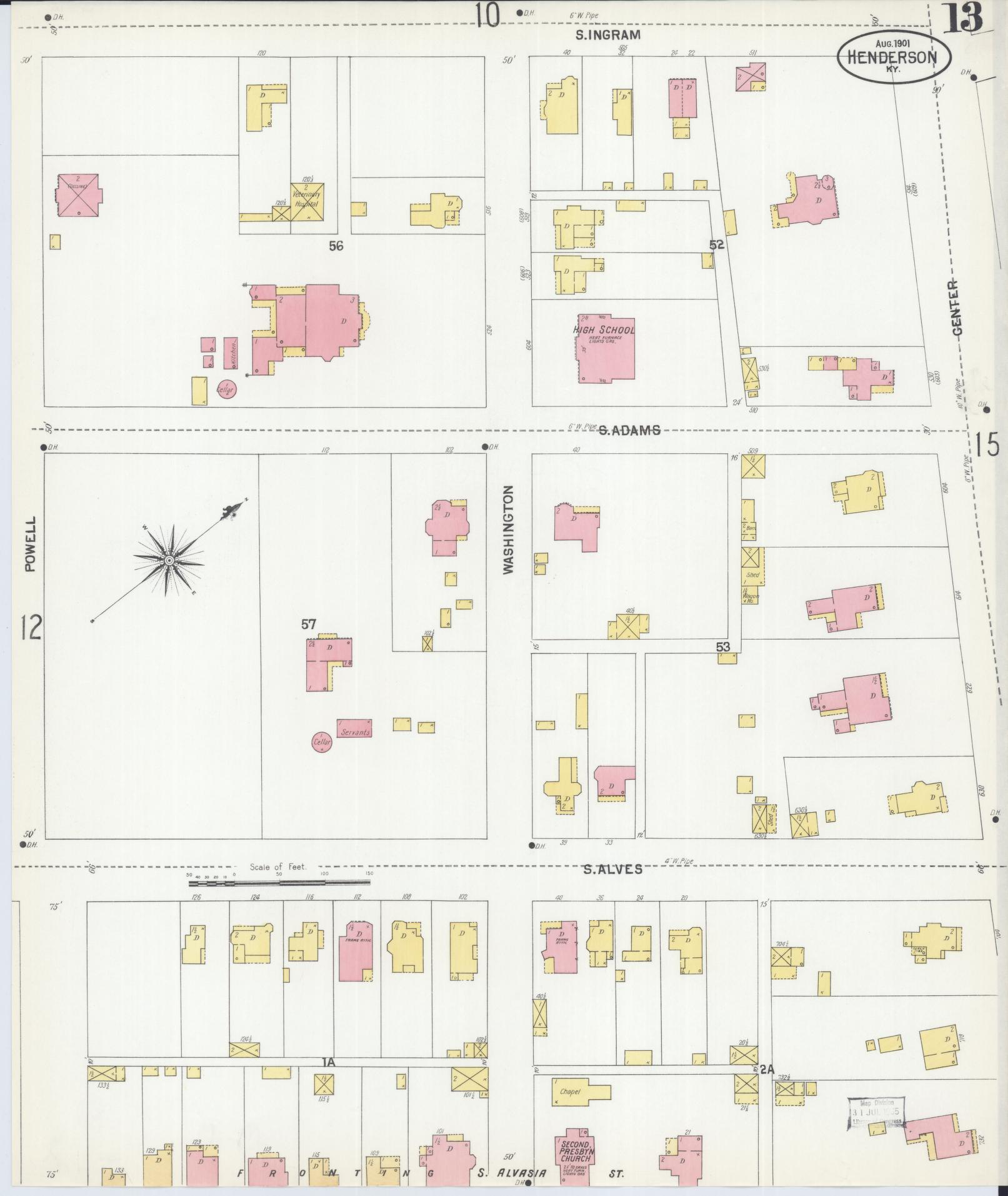
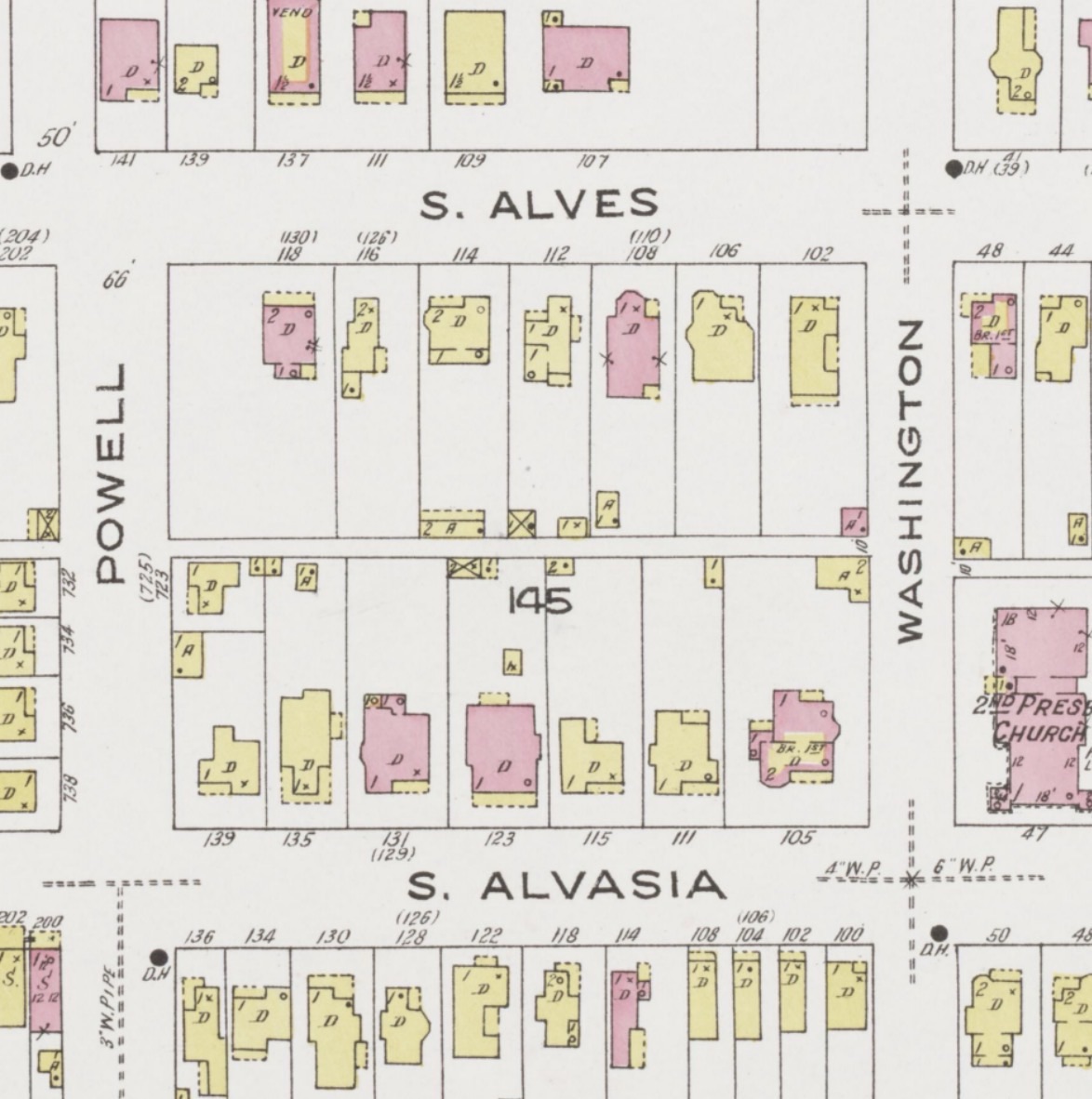
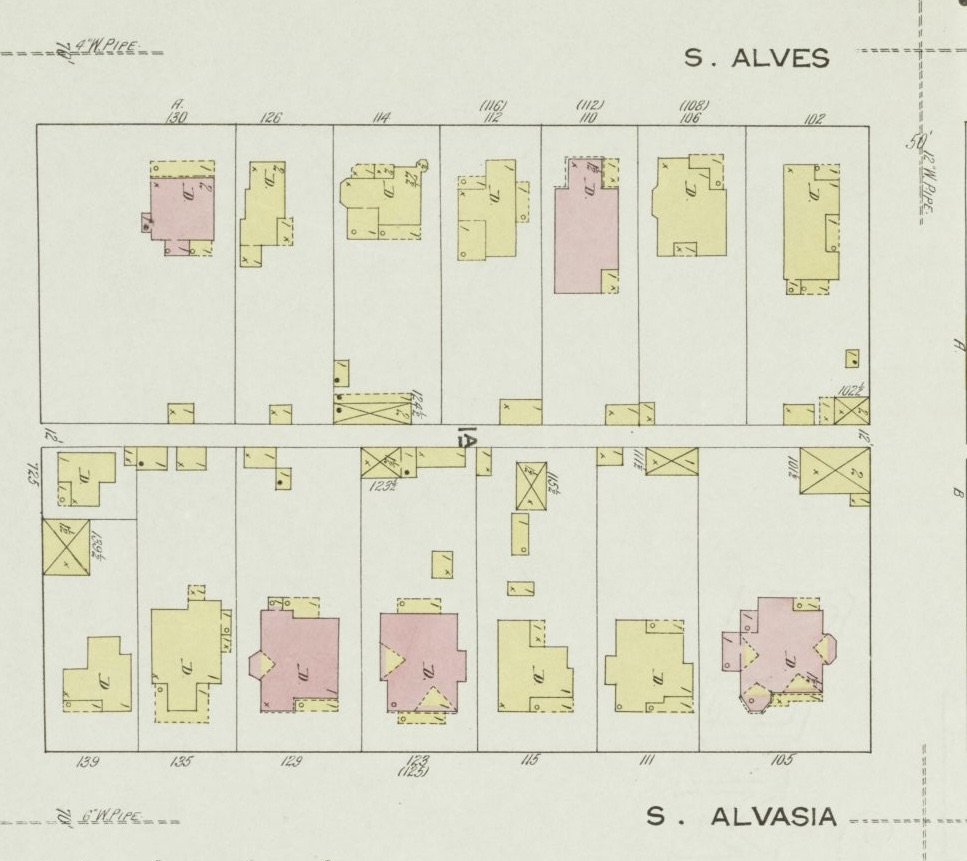
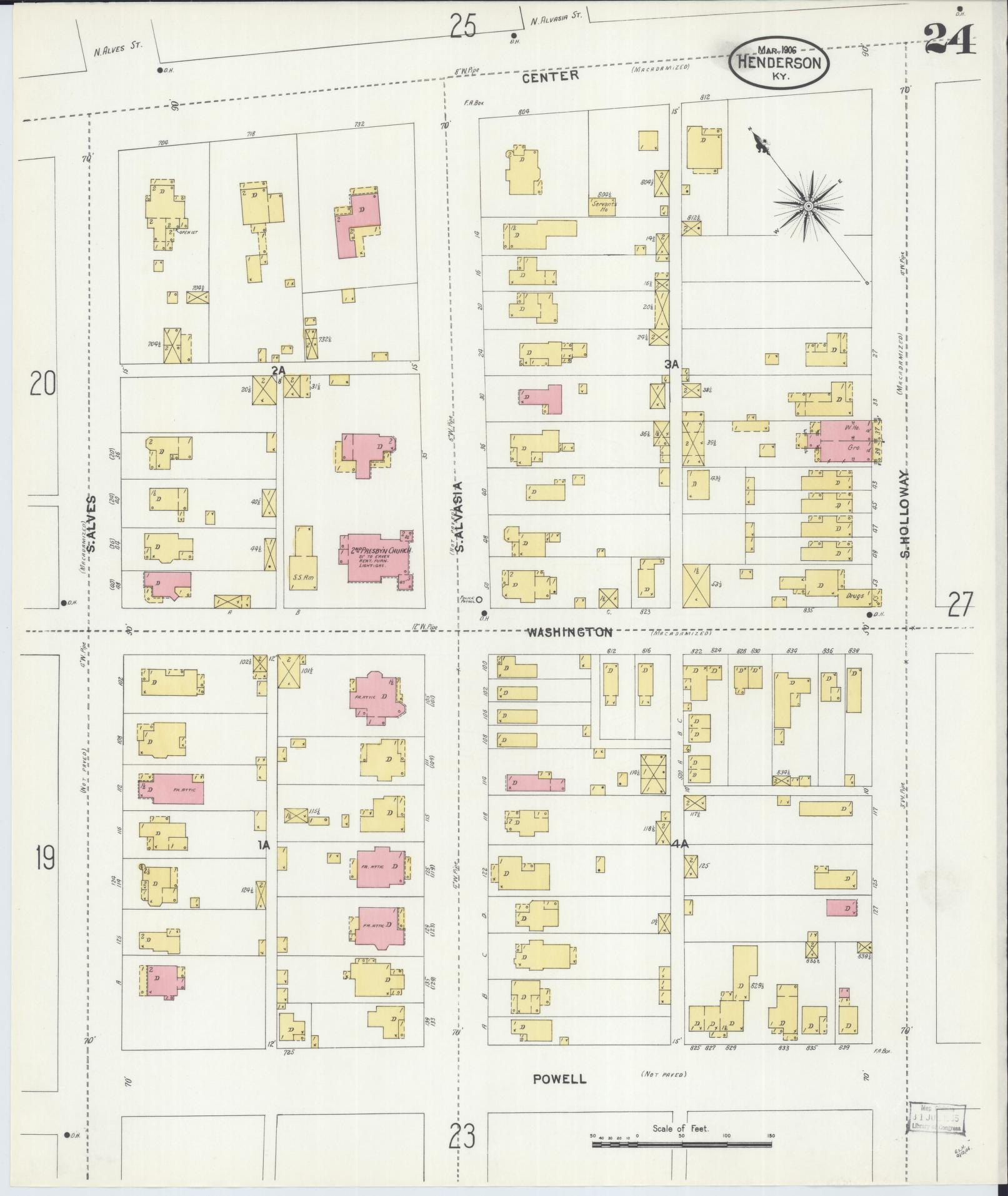
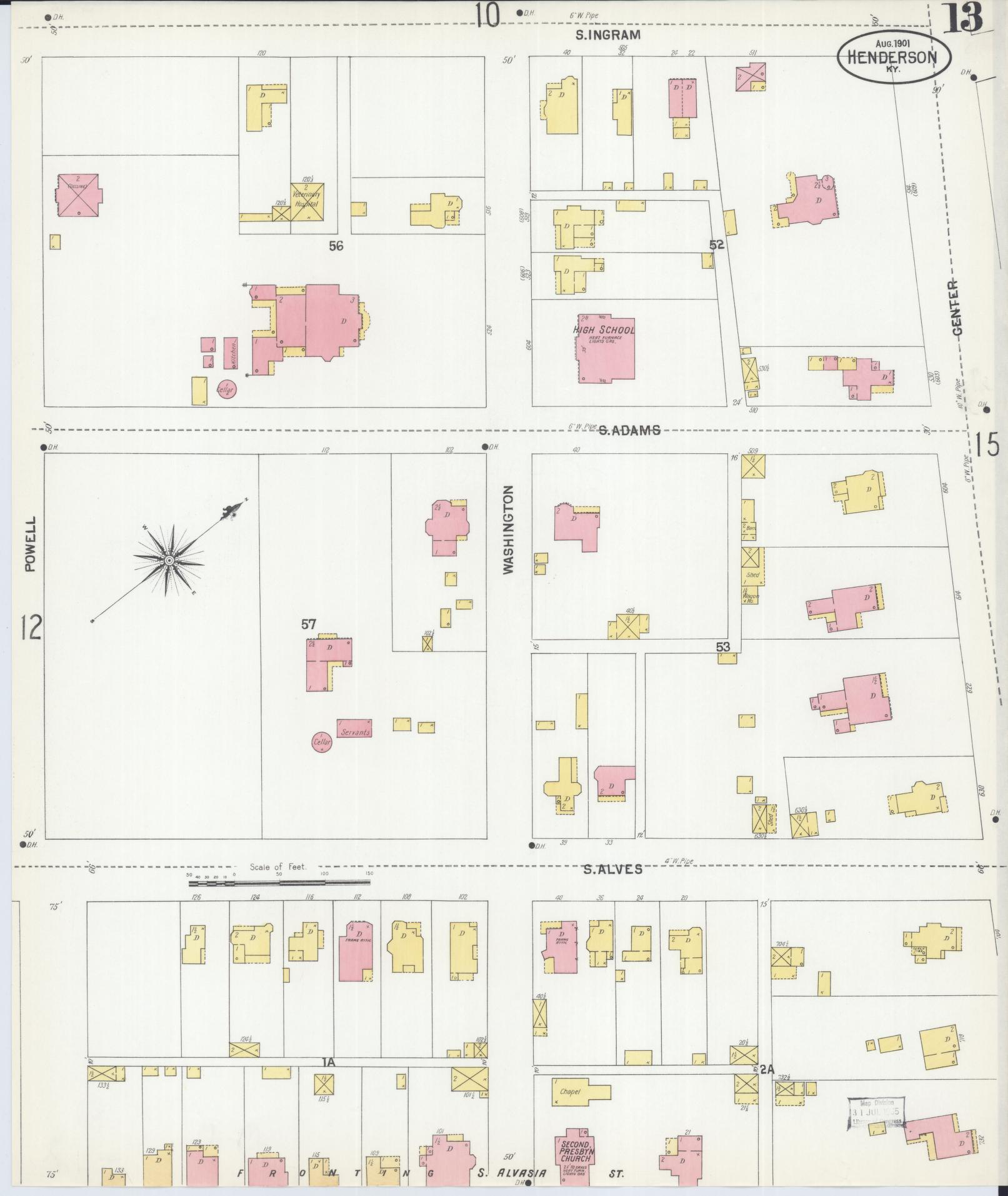
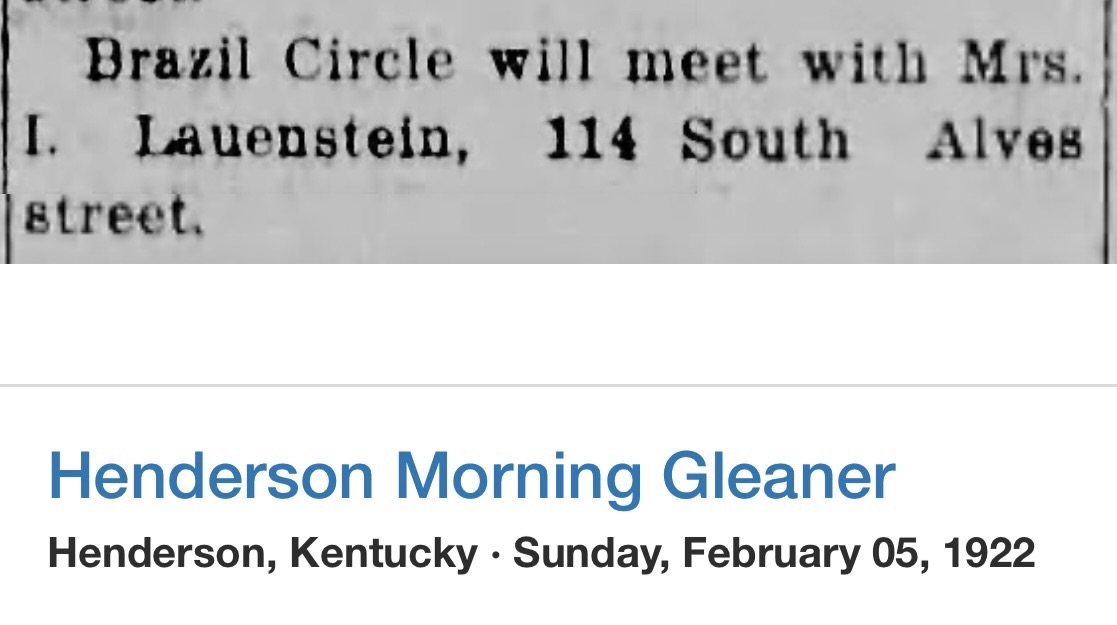
Early deed books and Sanborn maps show that this stretch of Alves was renumbered in the early 20th century. The house never moved. The lot never changed. Only the number on the front shifted – which explains why older references sometimes seem inconsistent. They’re speaking of the same home, just under its earlier identity.
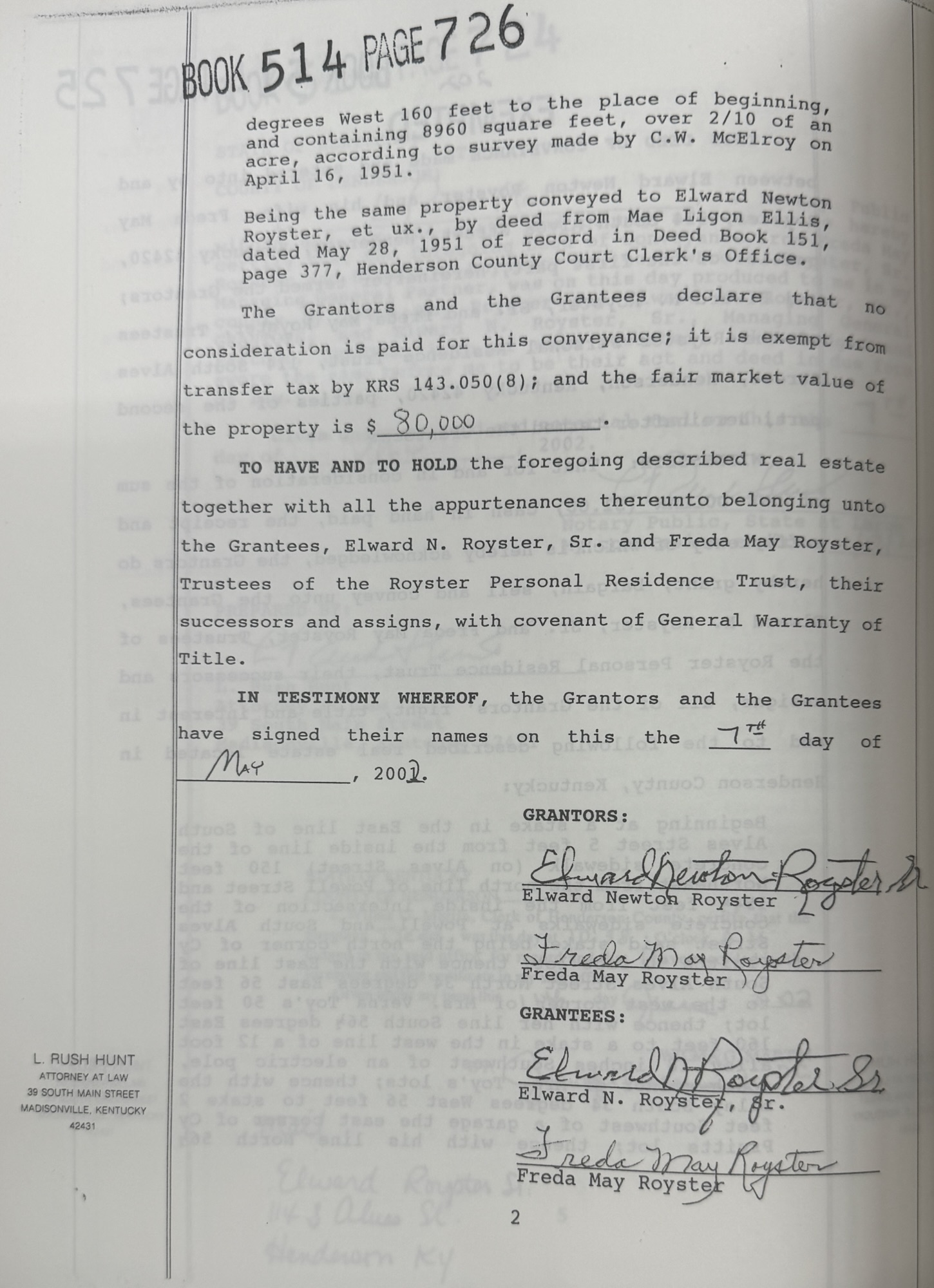
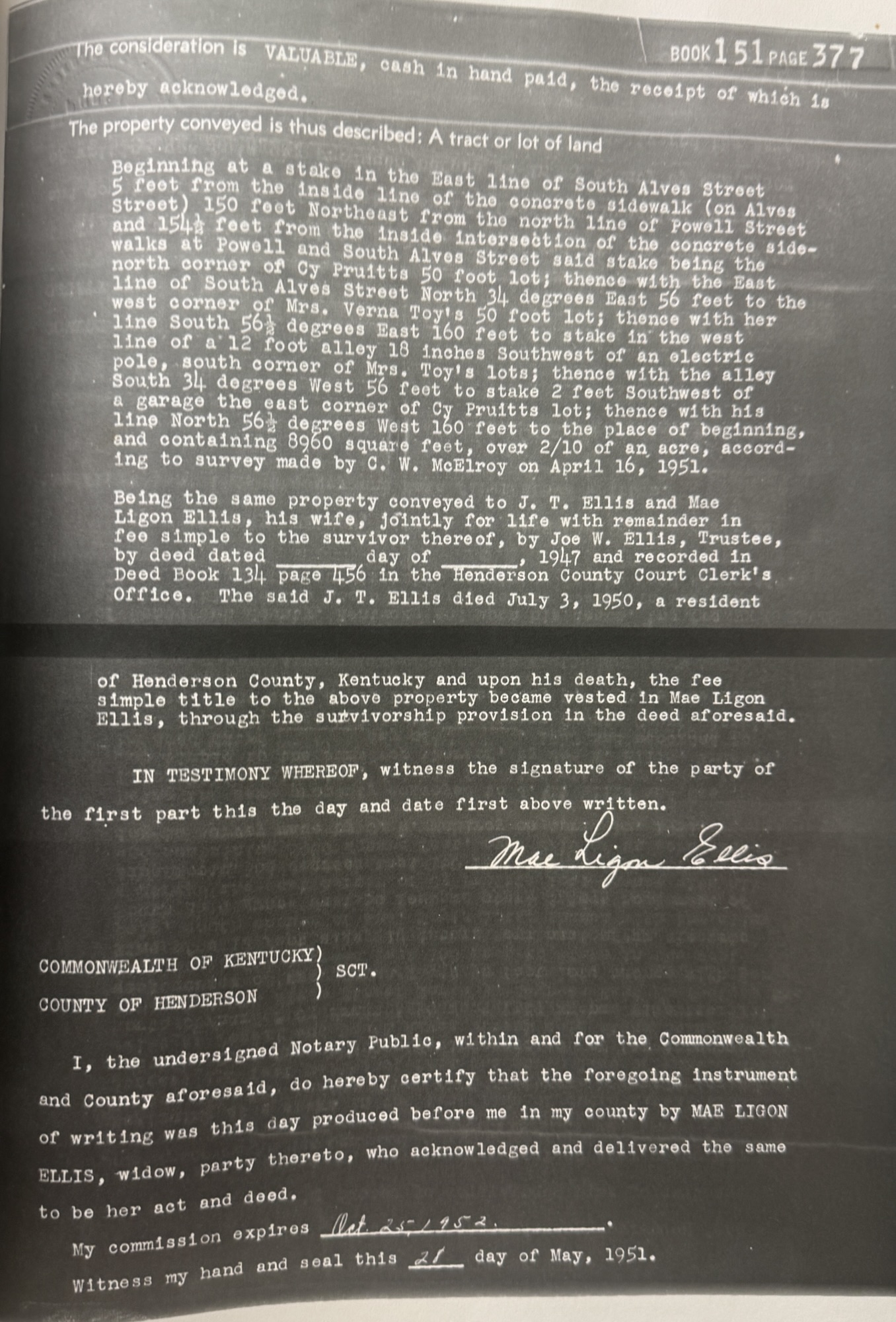
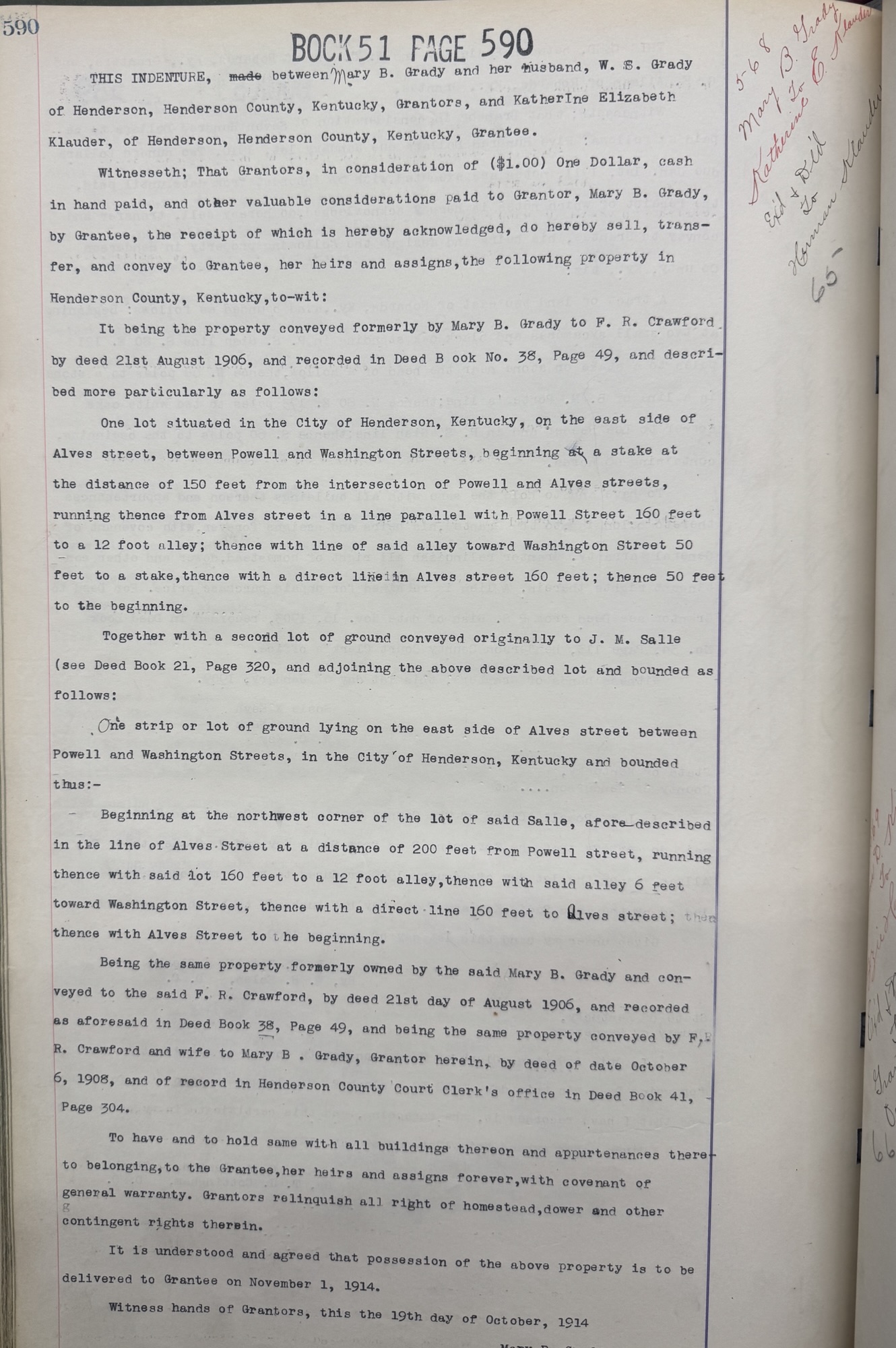
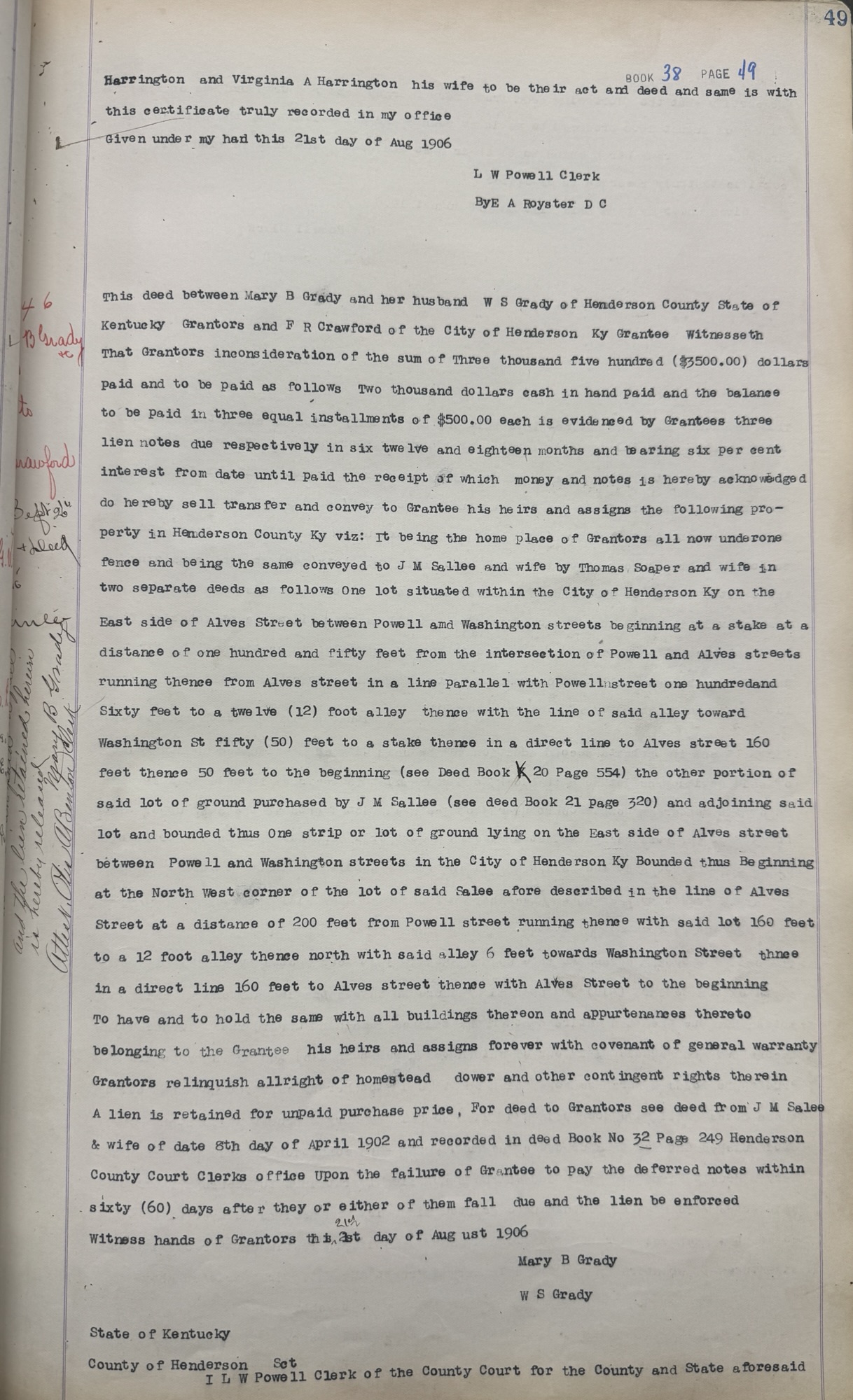
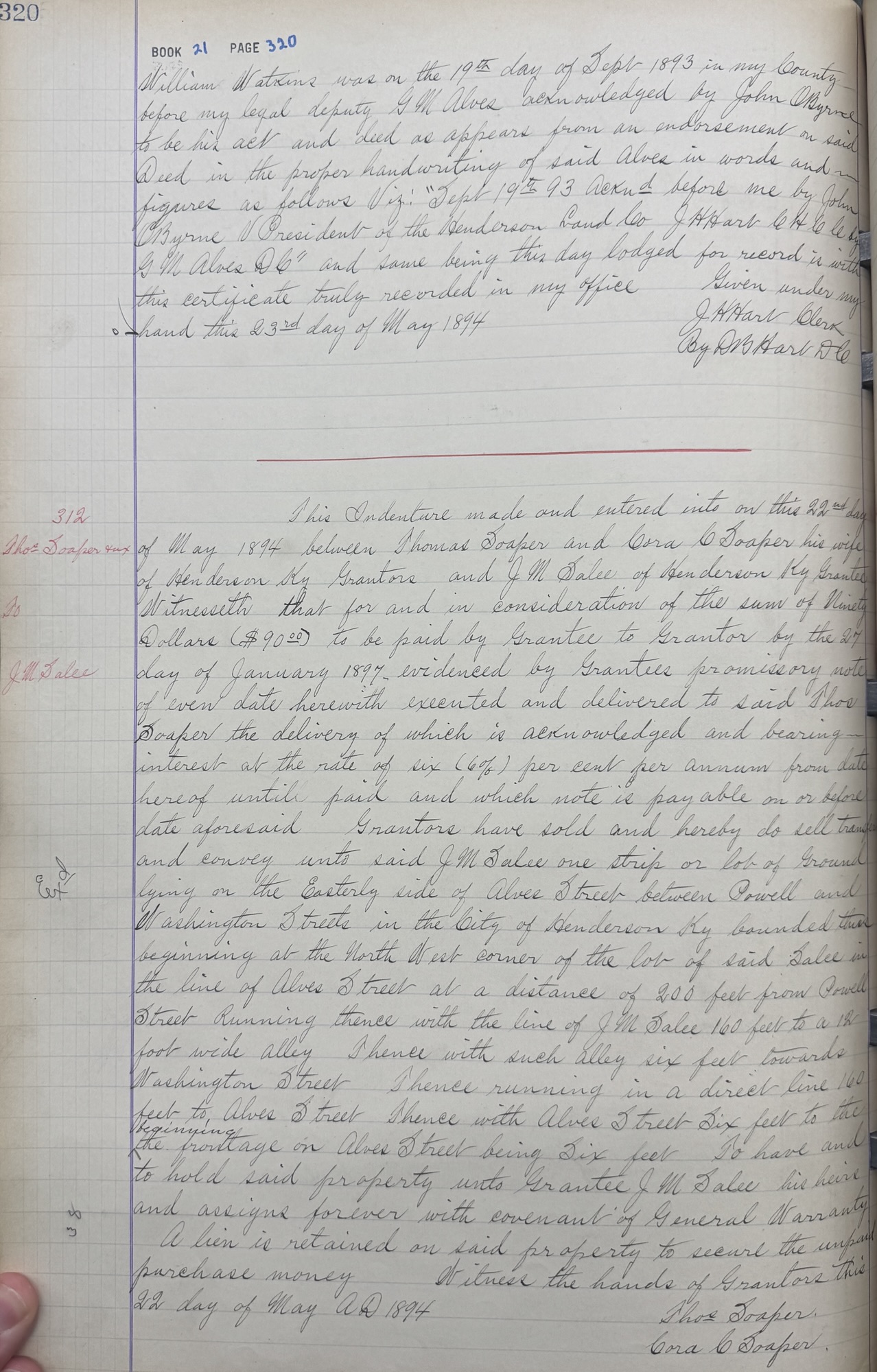
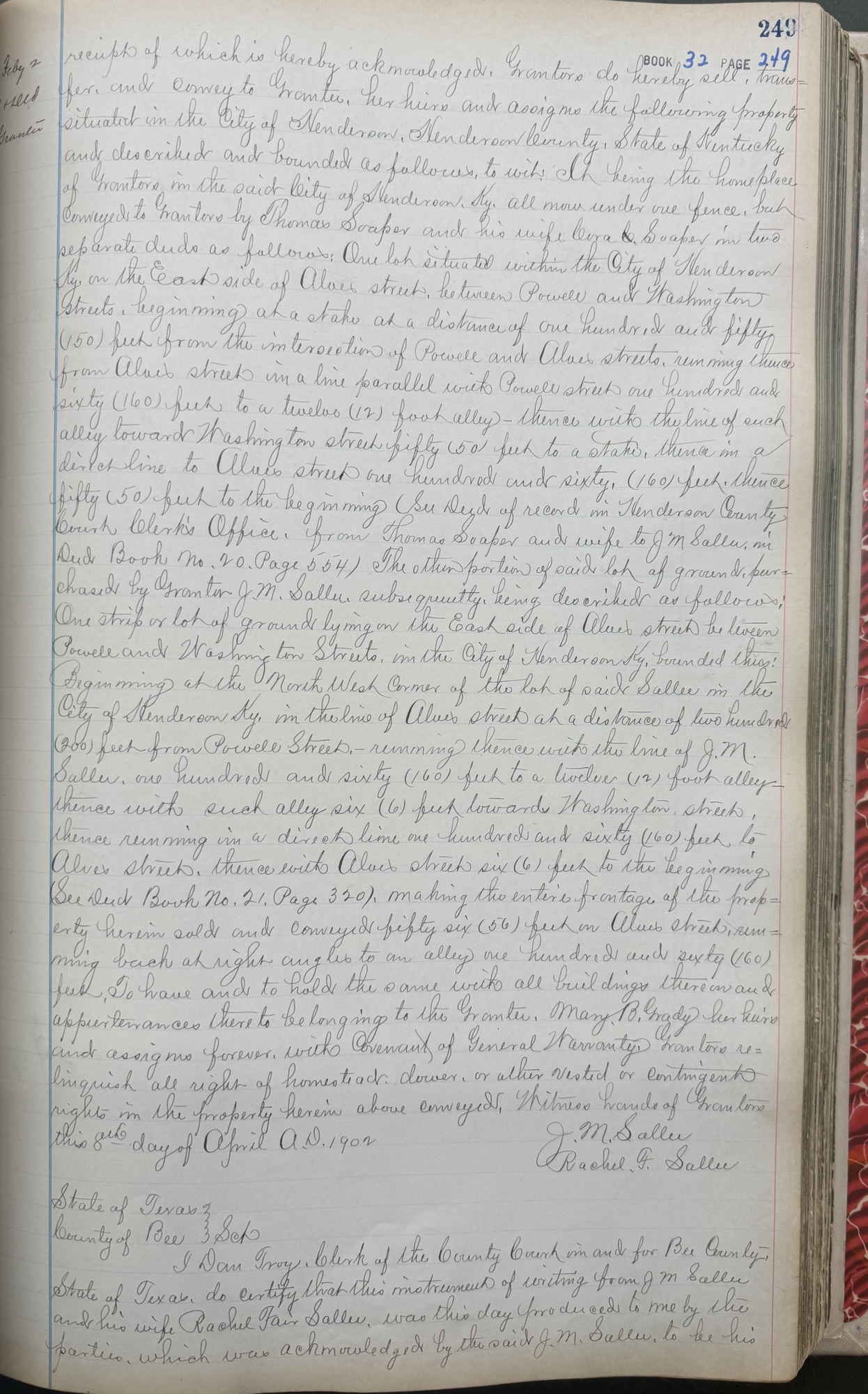
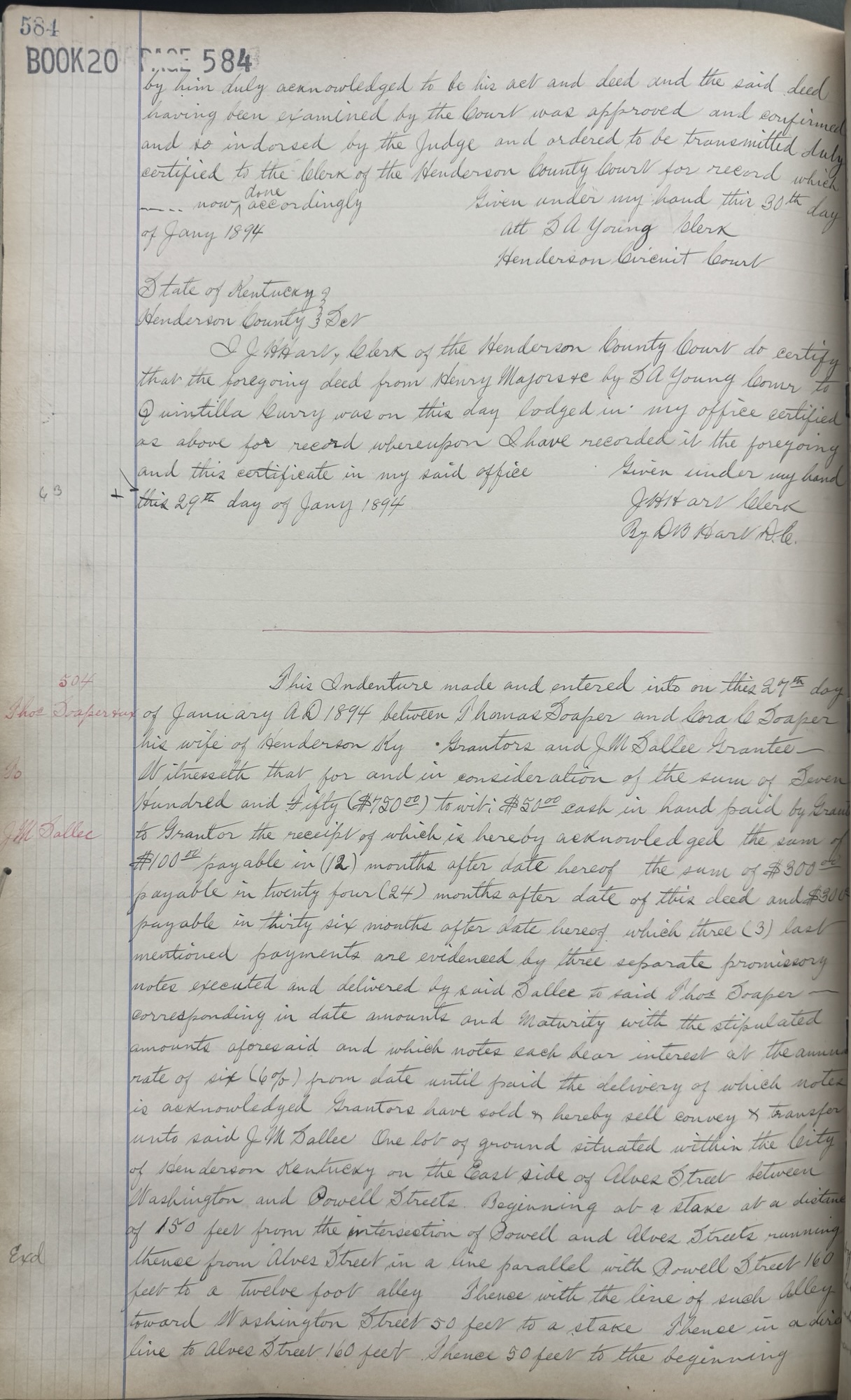
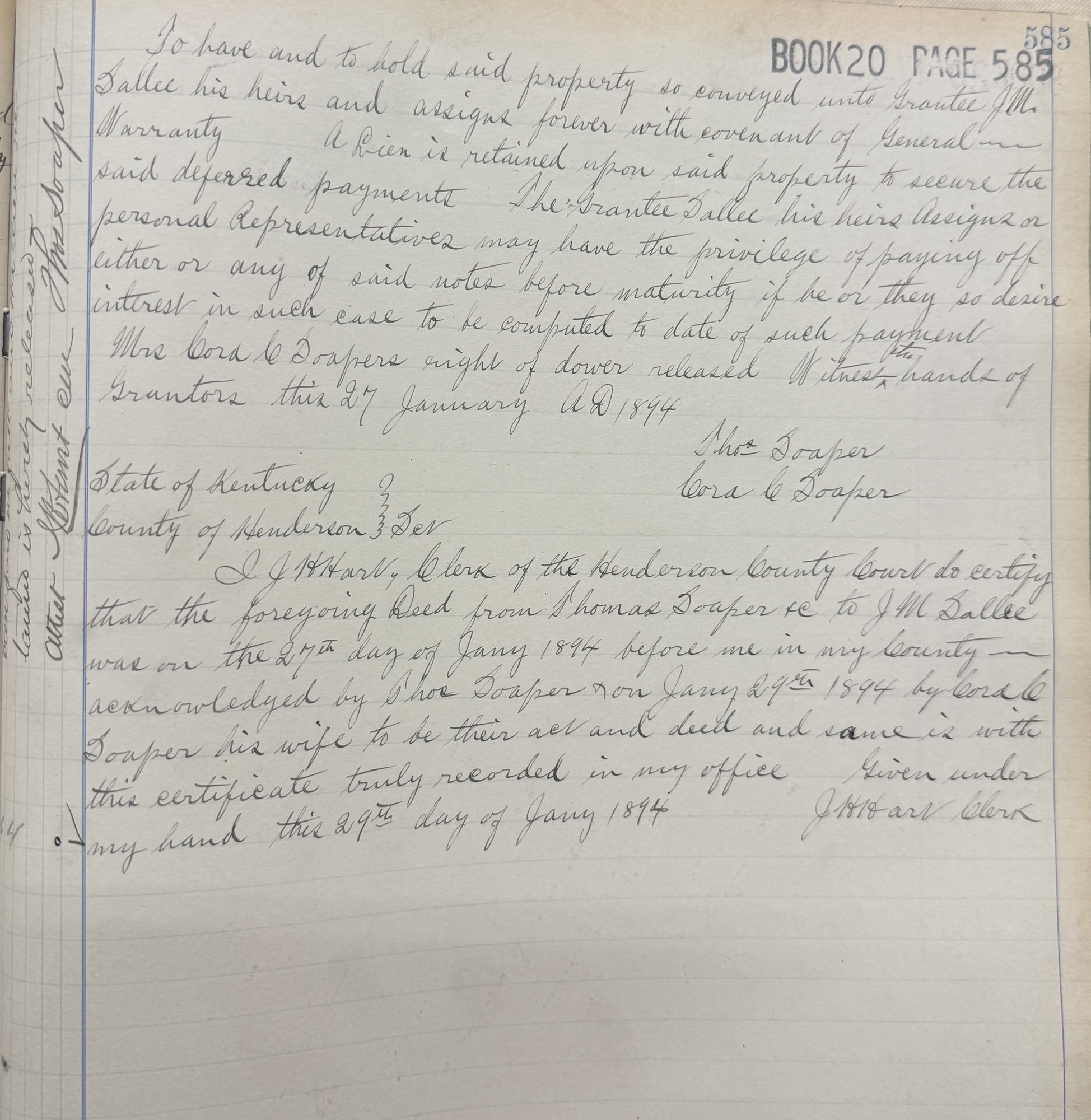
The property’s story begins in January 1894, when Thomas Soaper and his wife Cora conveyed a fifty-foot lot on the east side of Alves Street between Powell and Washington to J. M. Sallee. The lot extended 160 feet back to a twelve-foot alley – dimensions that remain intact today. Soon after, during Henderson’s late-19th-century building surge, the present Queen Anne residence rose on that ground.
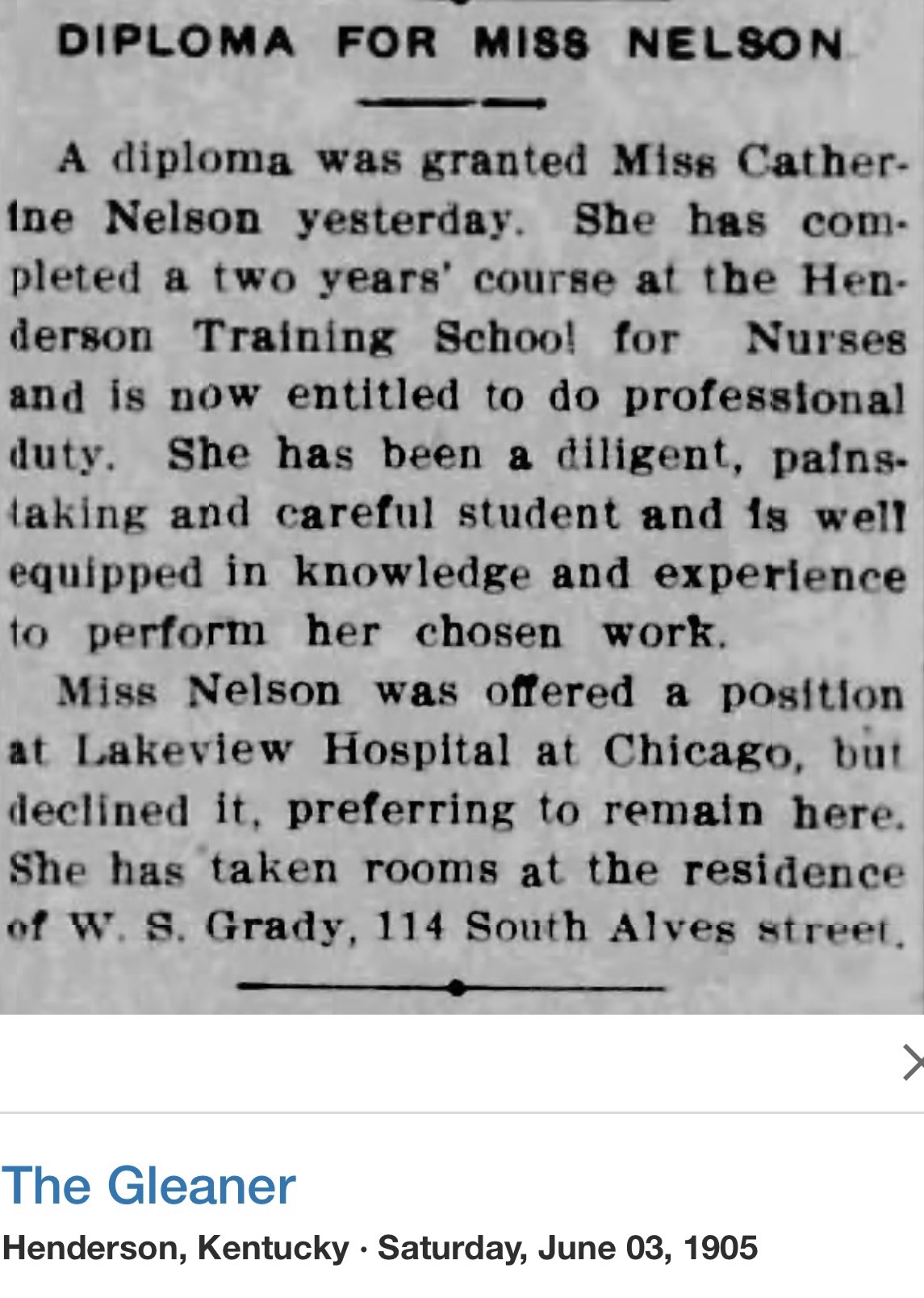
By 1905 the house was already woven into the fabric of the neighborhood. A brief notice in The Gleaner recorded that Miss Catherine Nelson, newly graduated from the Henderson Training School for Nurses, had taken rooms at the residence of W. S. Grady – this very home, then known as 124 South Alves. The house was large enough to take in boarders, as many substantial Victorian homes did.
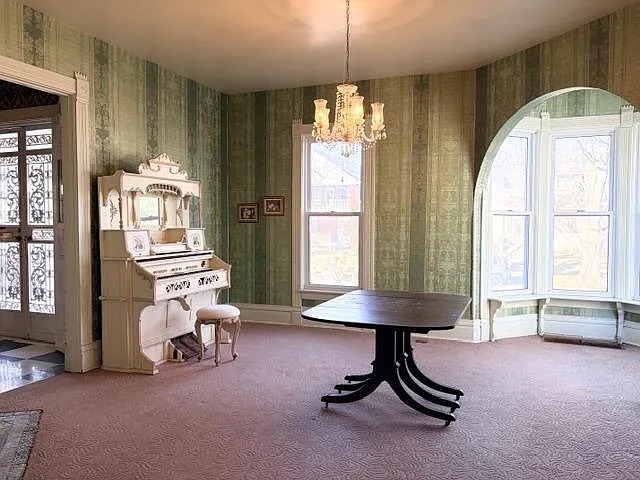
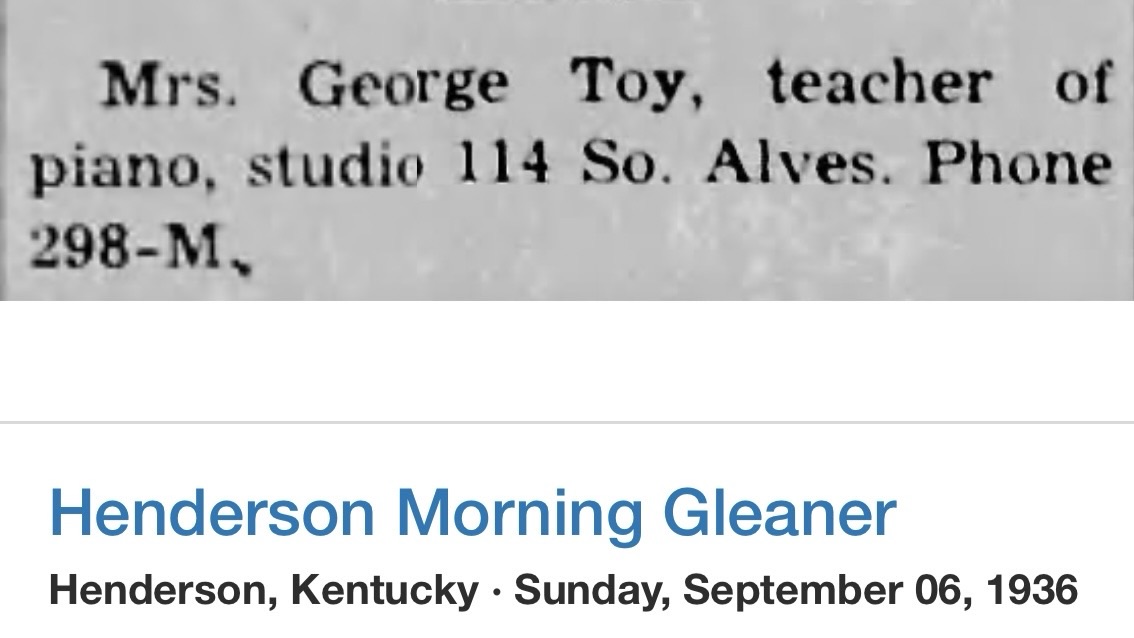
But the story doesn’t stop there. By 1936, the address 114 South Alves appeared again in the pages of the Henderson Morning Gleaner – this time in a small advertisement that read: “Mrs. George Toy, teacher of piano, studio 114 So. Alves. Phone 298-M.”
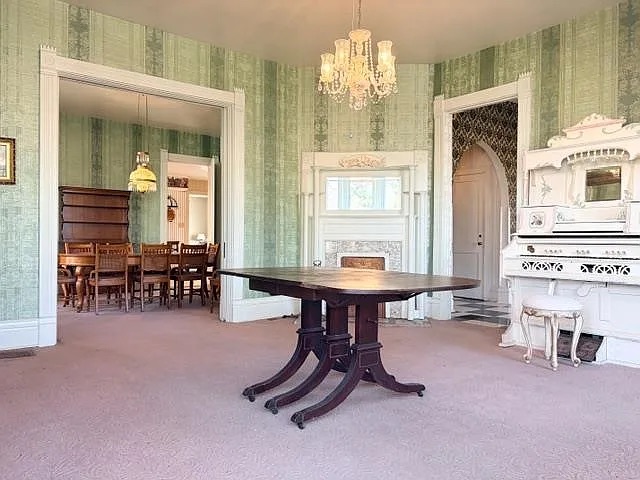
Imagine it for a moment: children climbing those steps for lessons, sheet music tucked under their arms, the sound of scales and hymns drifting out from one of those front rooms. The house was not just a residence – it was a place of instruction, culture, and music.
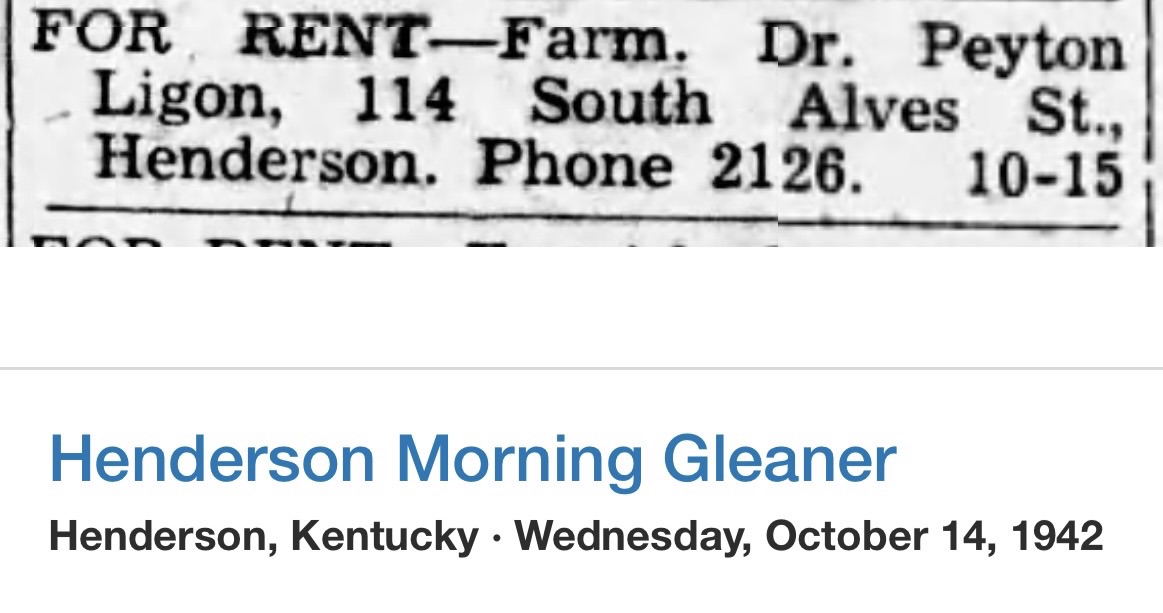
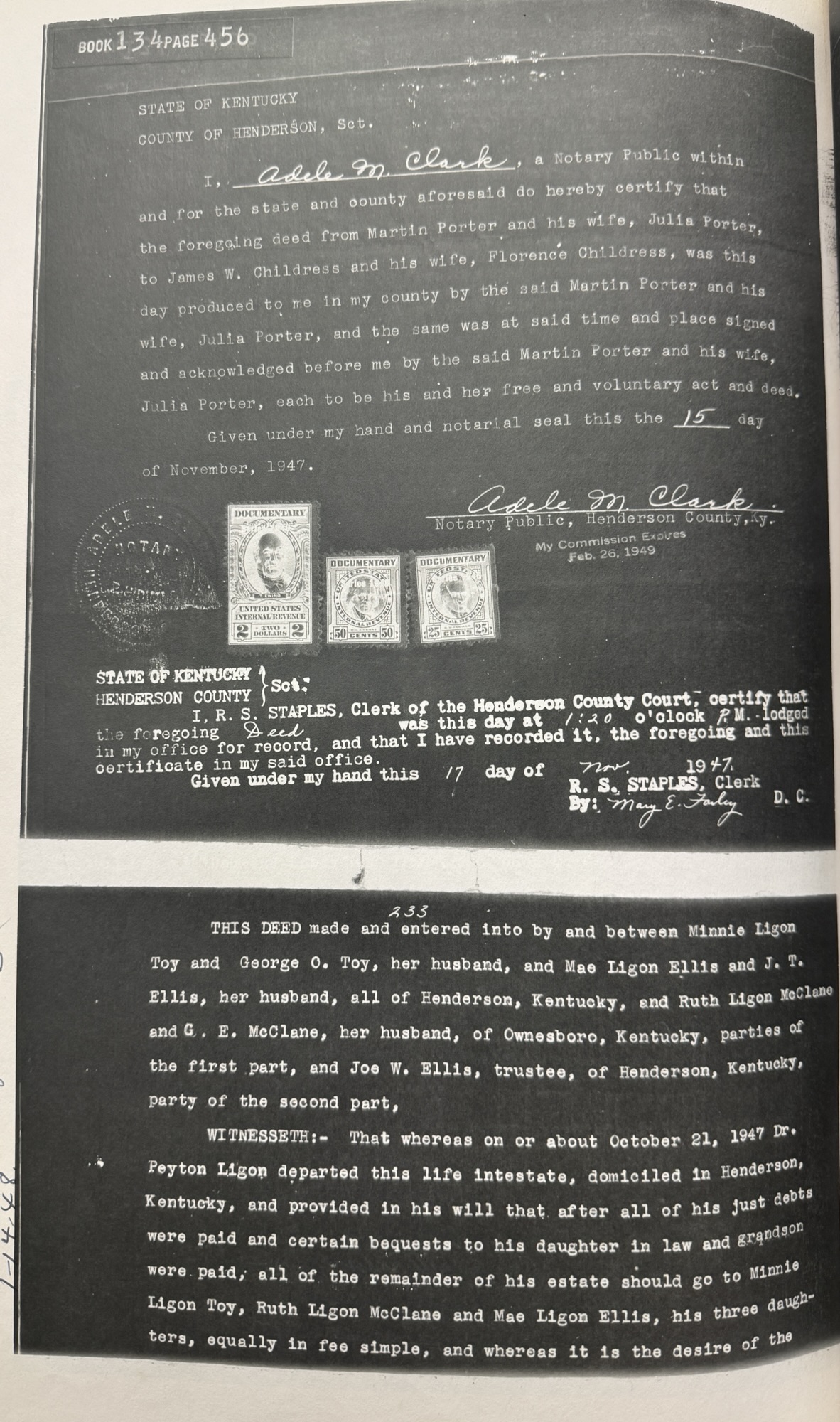
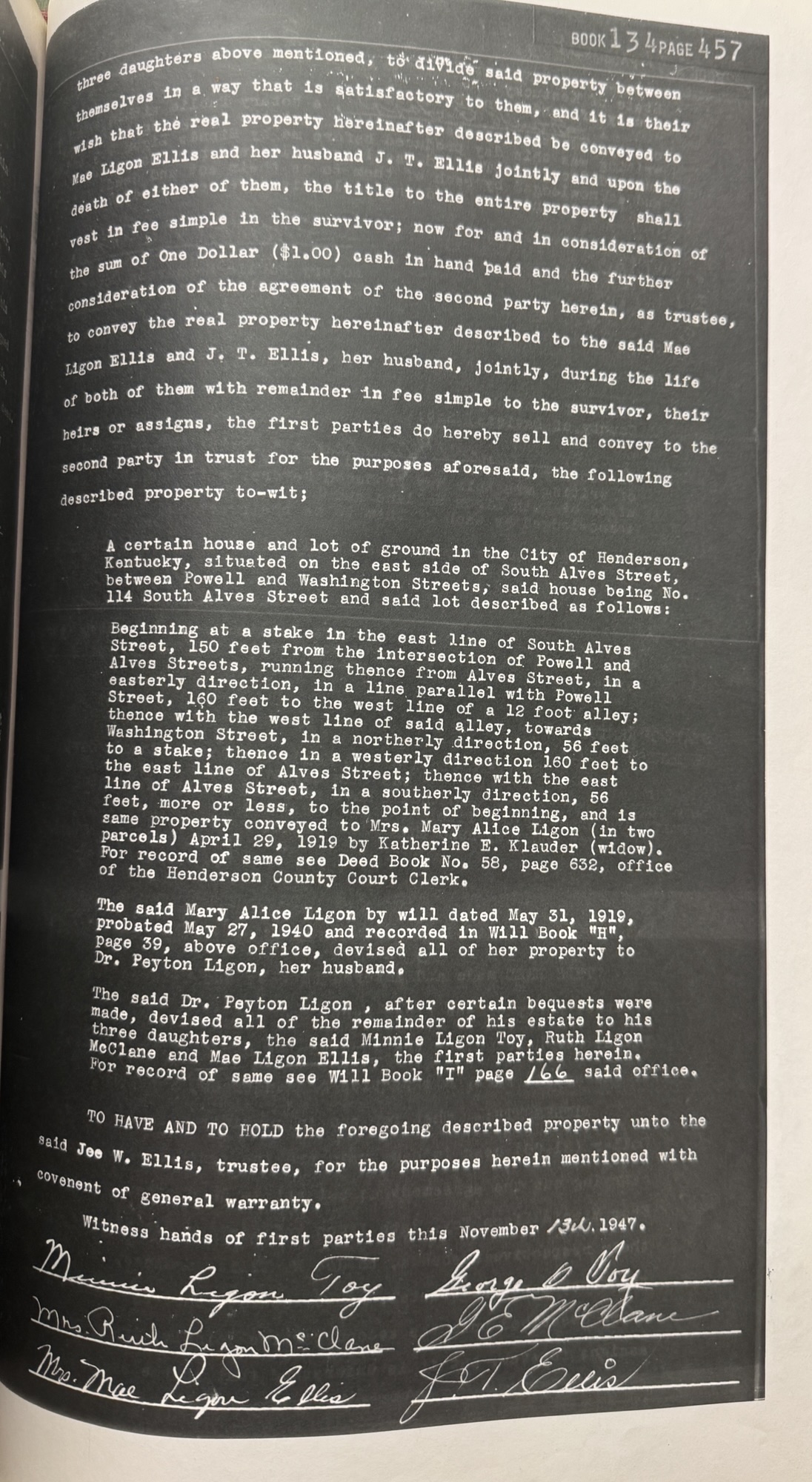
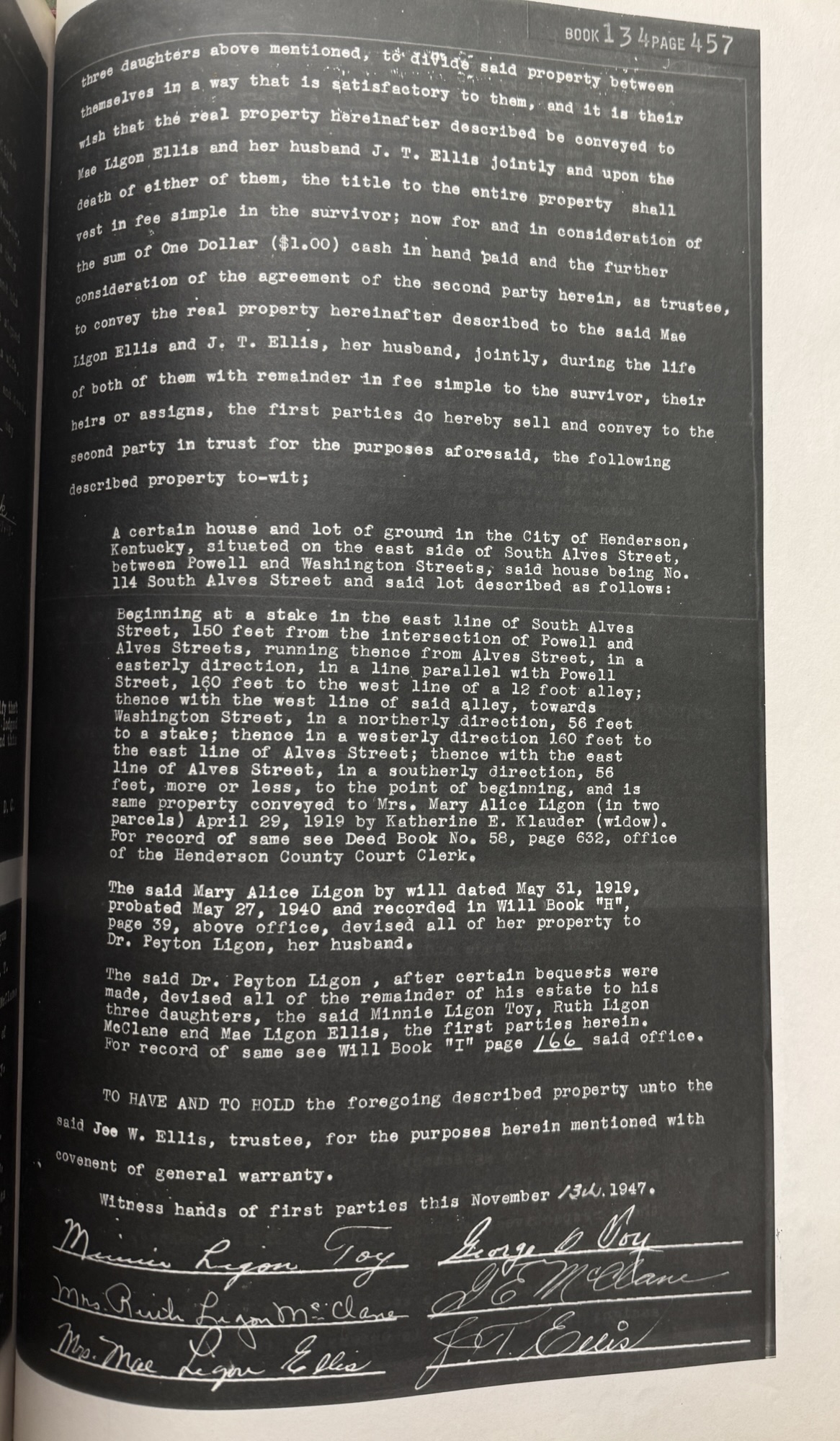
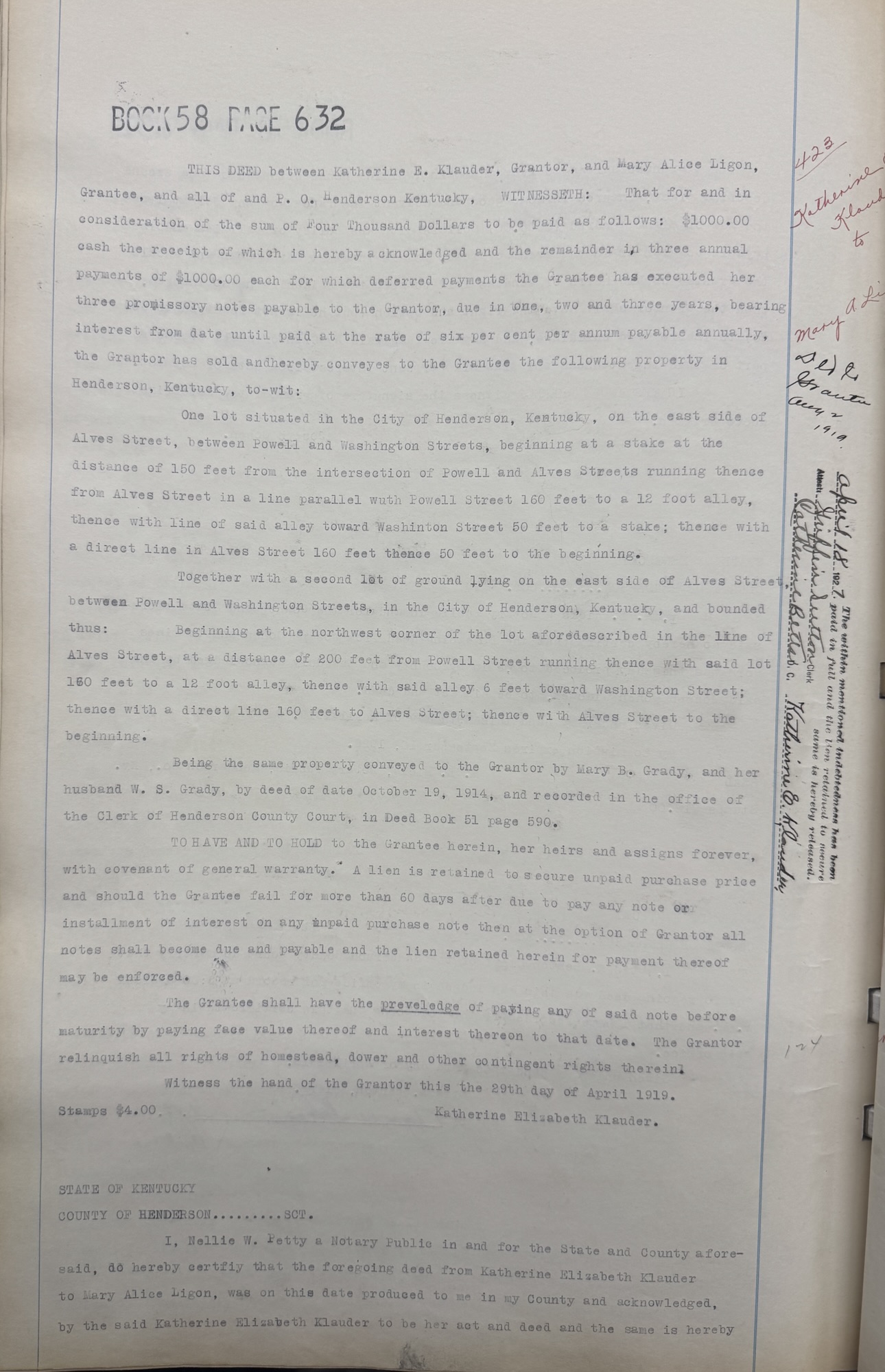
The property had passed into the Ligon family in 1919 when Mary Alice Ligon acquired it. Through inheritance it became associated with Dr. Peyton Ligon, and later his daughters – including Minnie Ligon Toy. The piano studio advertisement connects the house directly to that generation. It was not simply owned by the family; it was used, animated, and shared with the community.
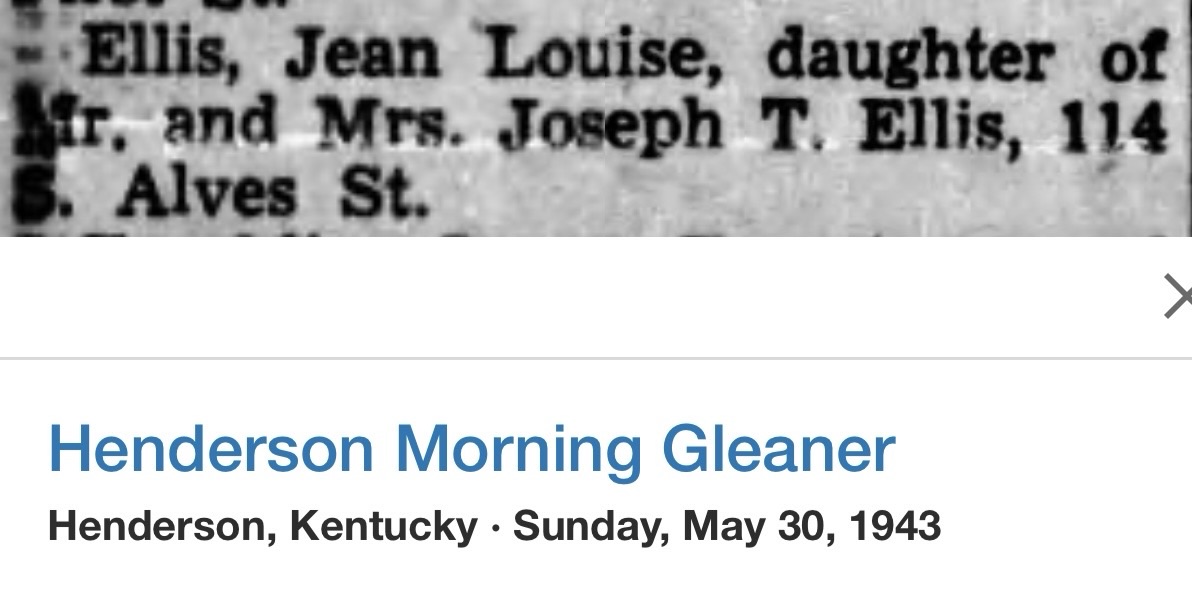
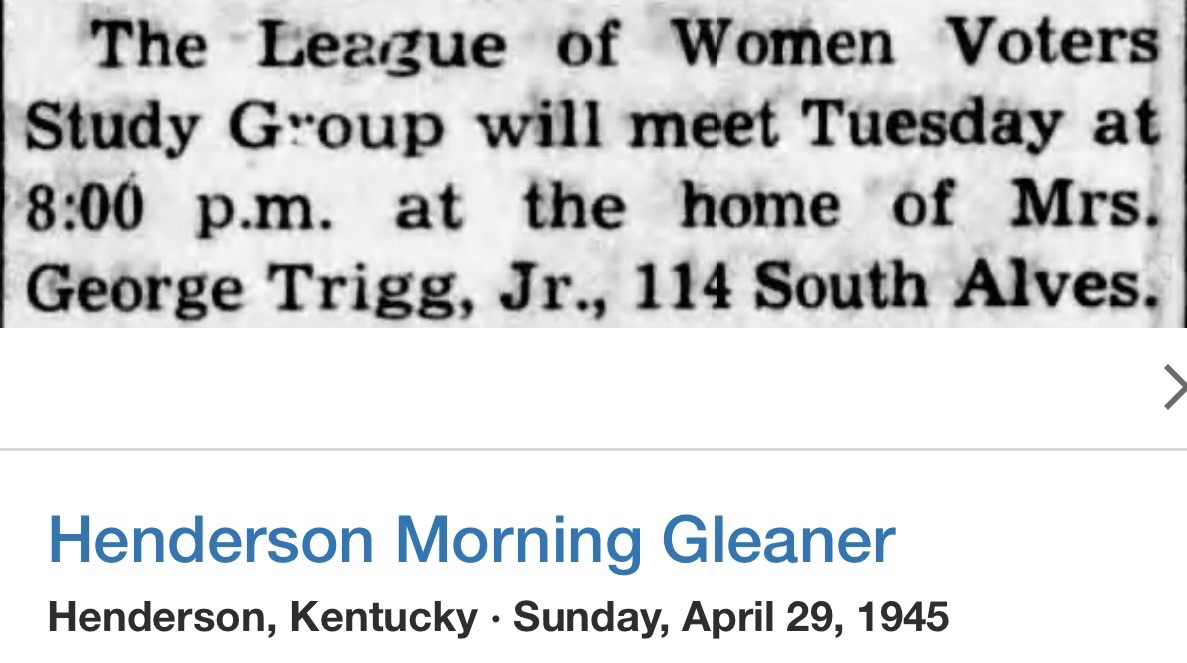
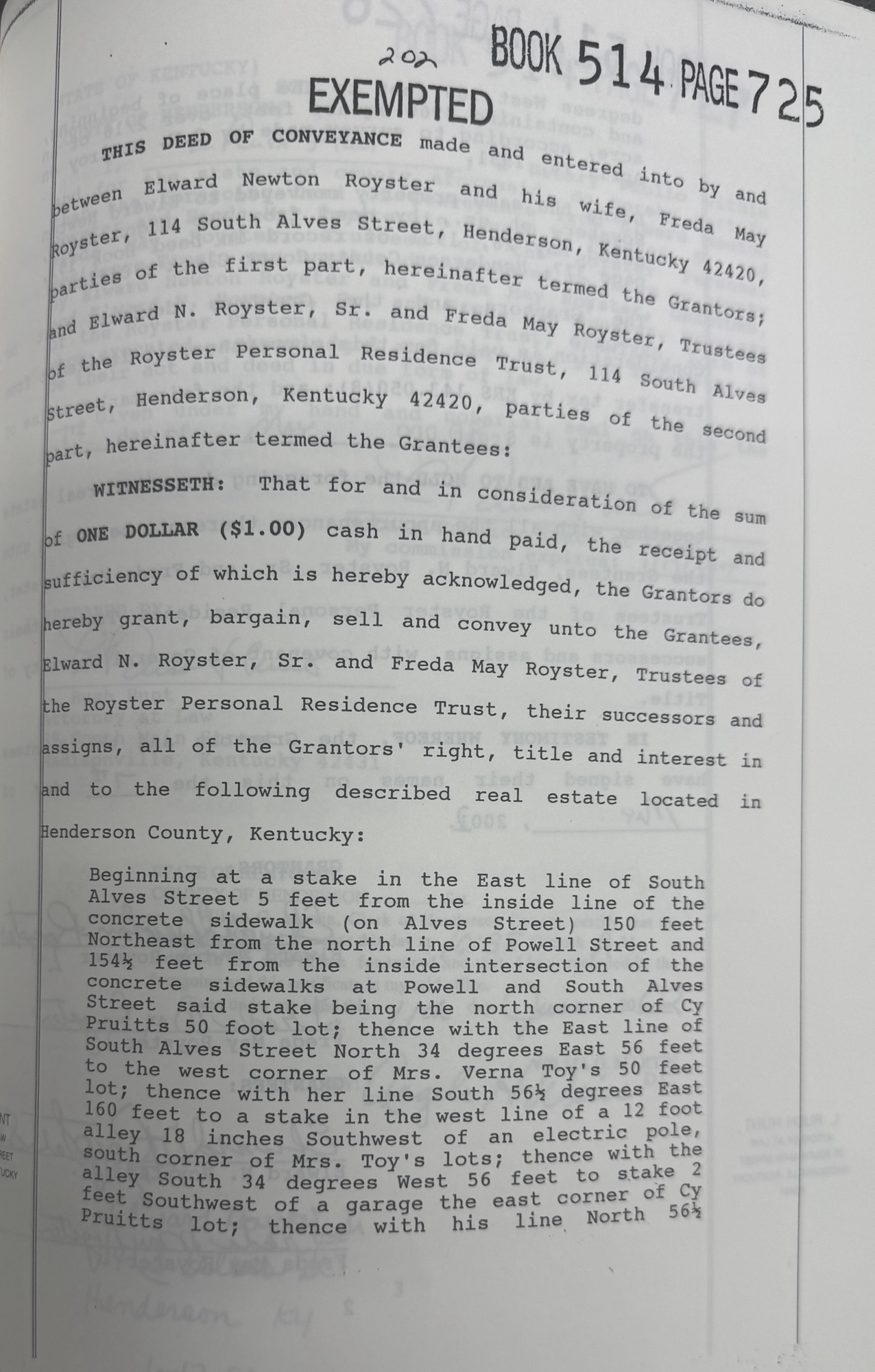
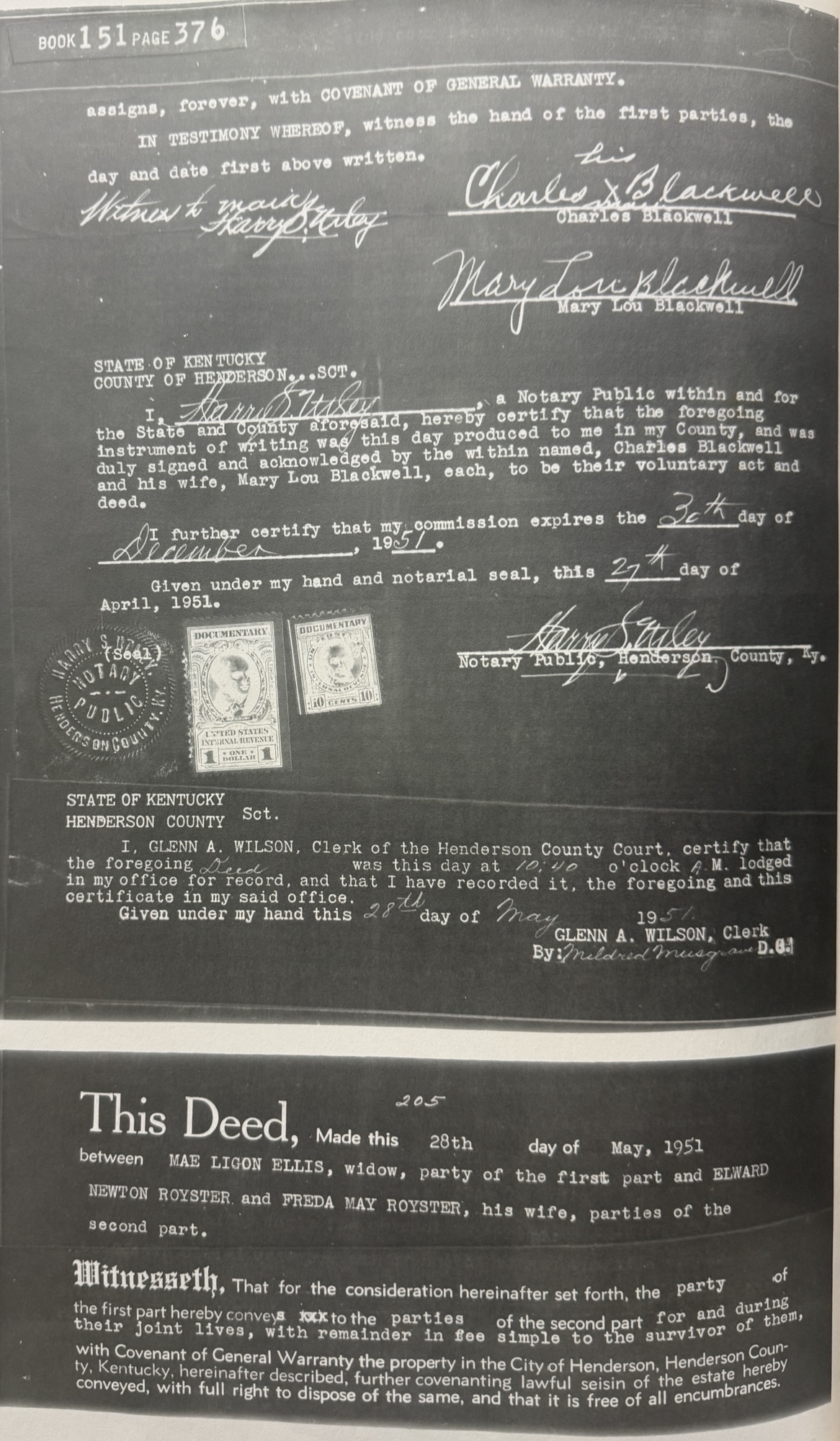
In 1951, the home entered another chapter under the Royster family’s long stewardship. Through every transition – Soaper to Sallee, Grady to Ligon, Toy to Royster – the structure endured.
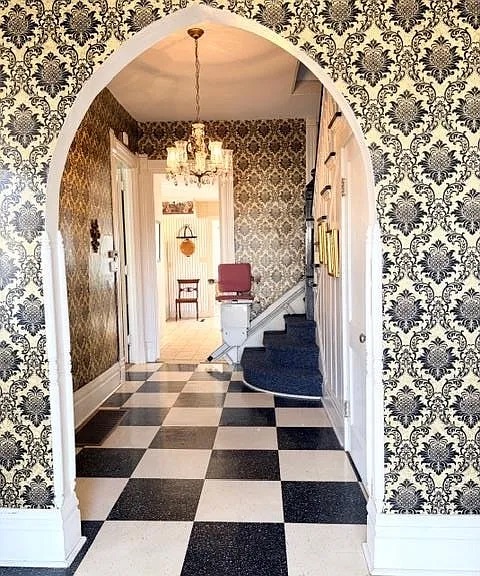
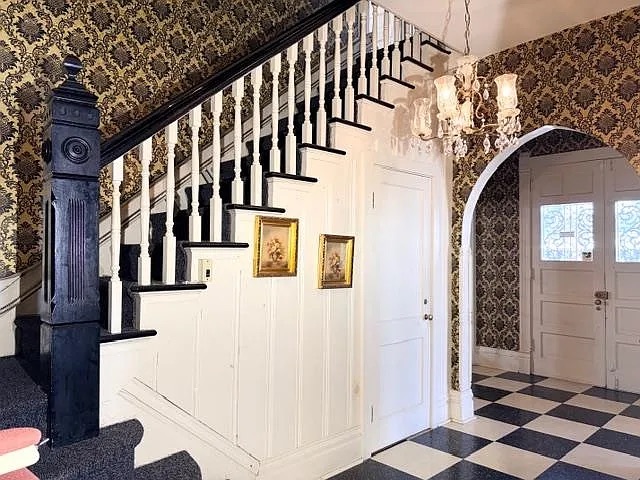
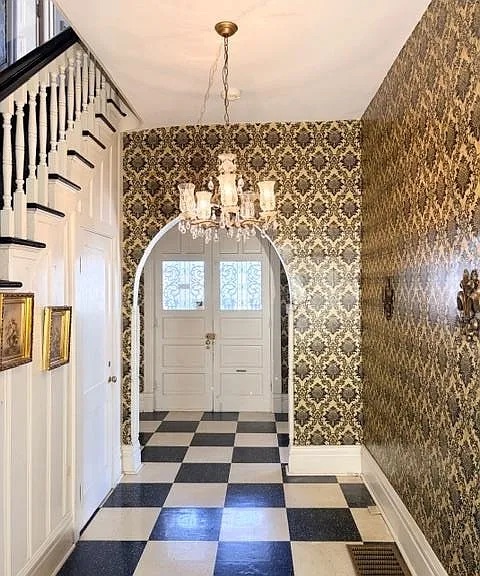
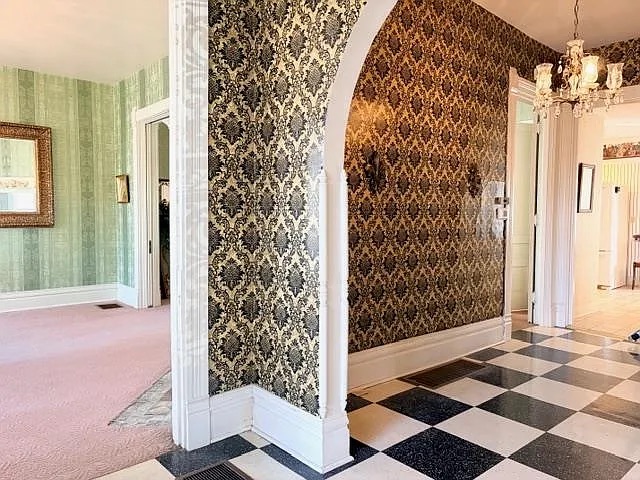
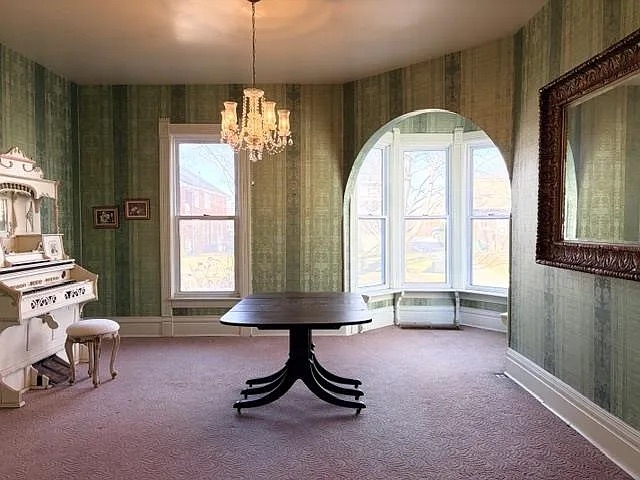
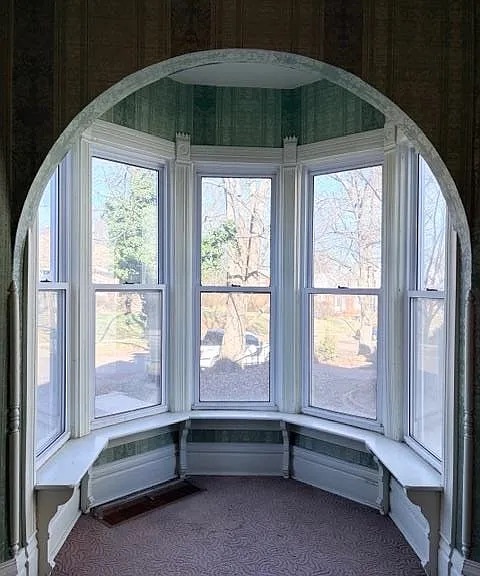
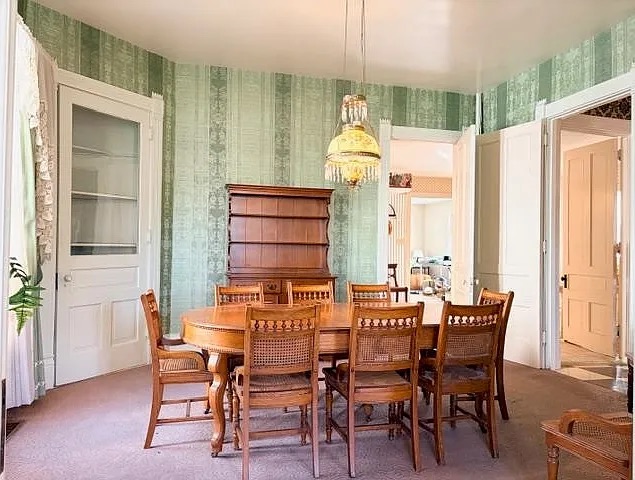
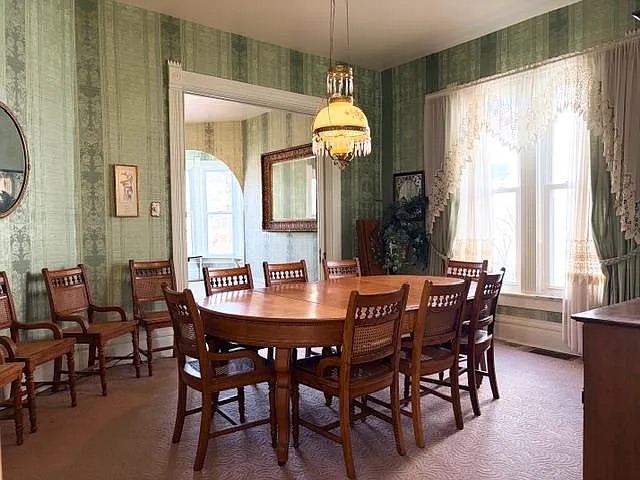
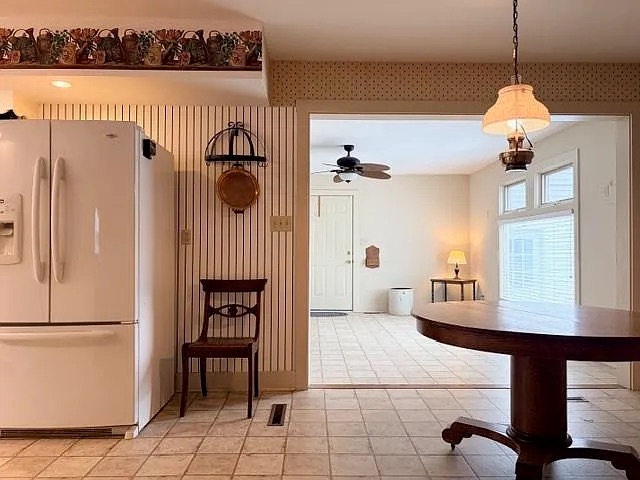
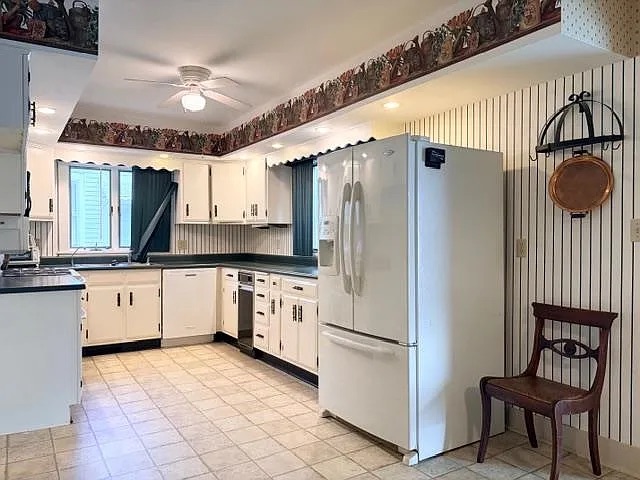
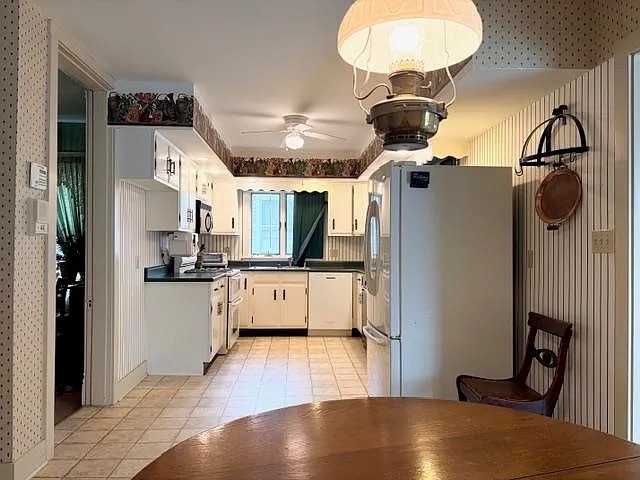
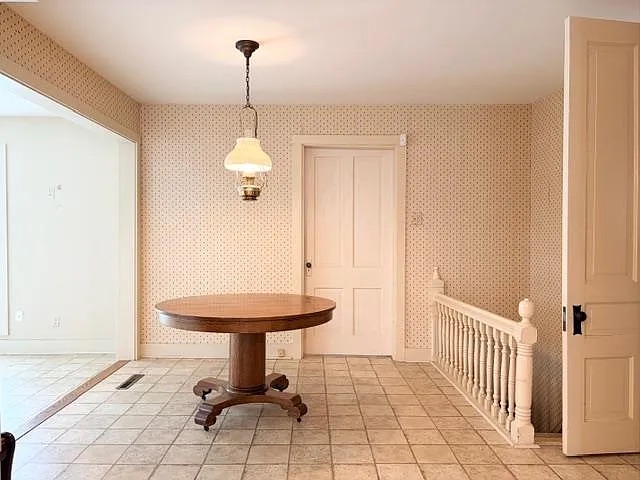
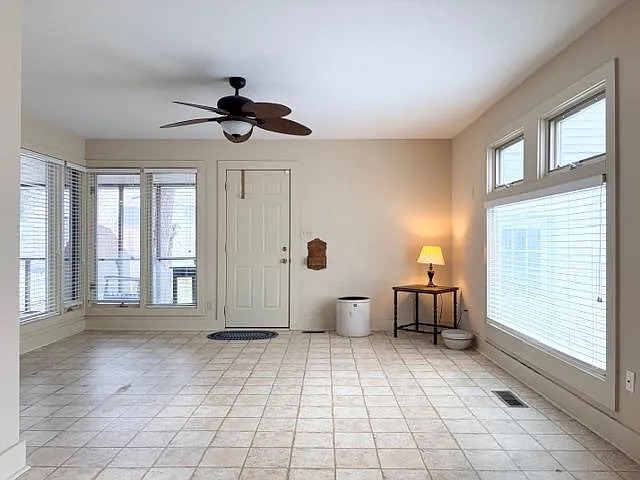
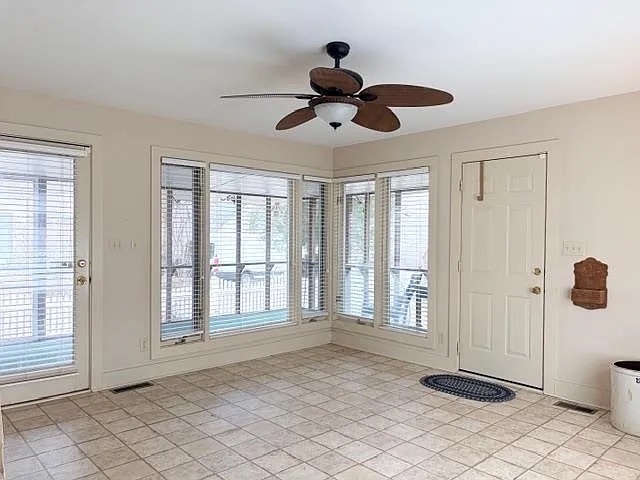
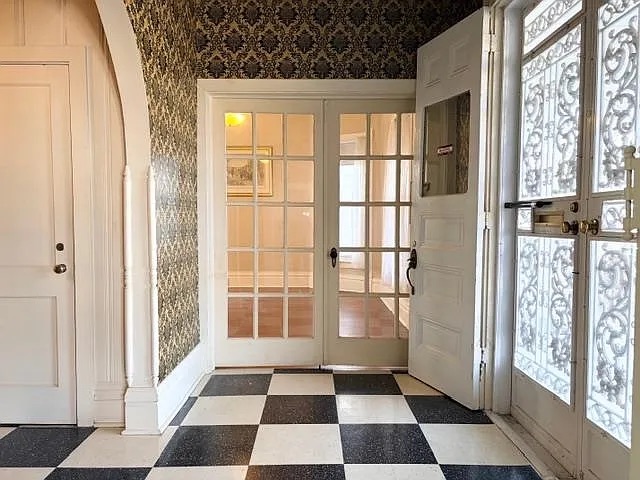
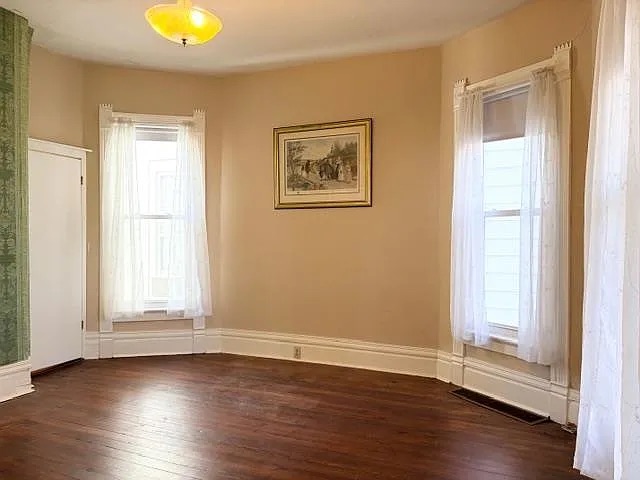
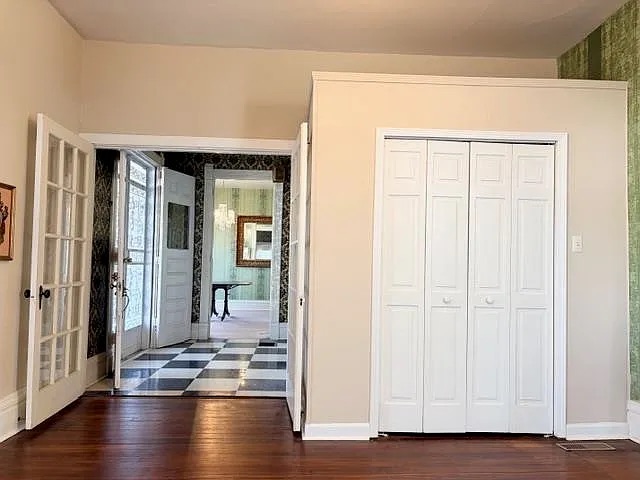
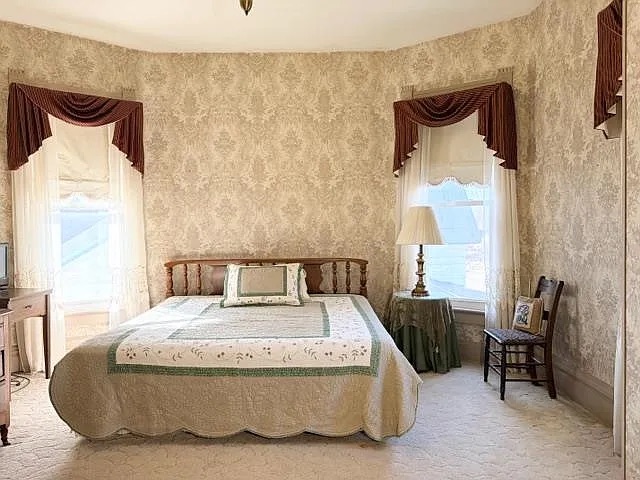
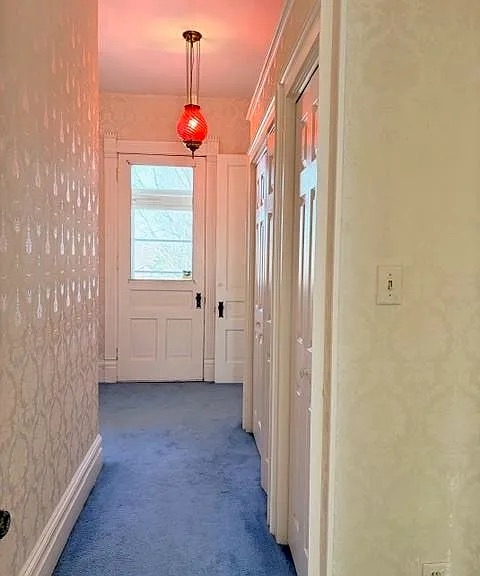
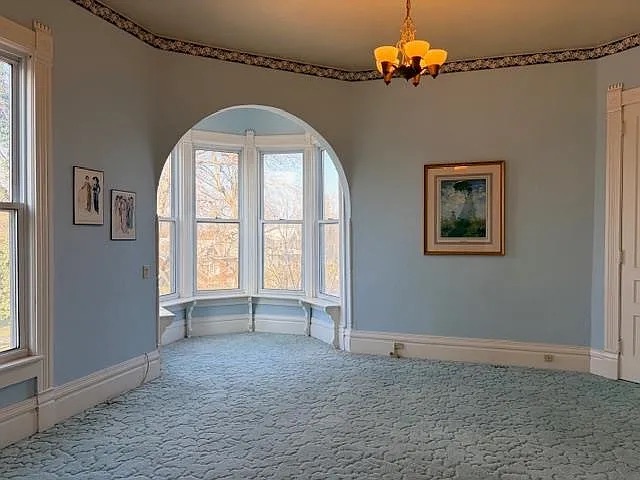
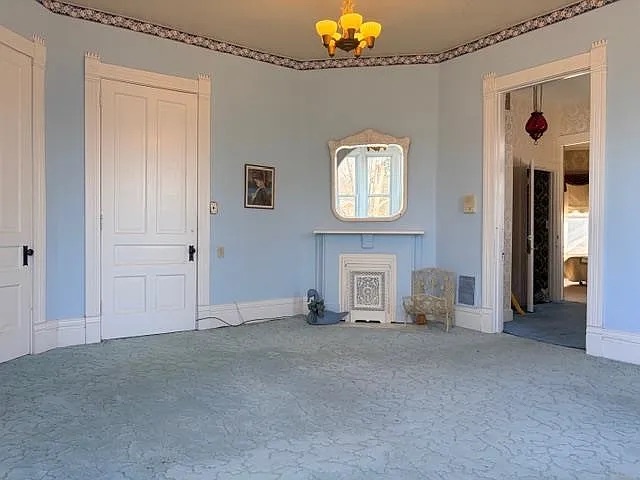
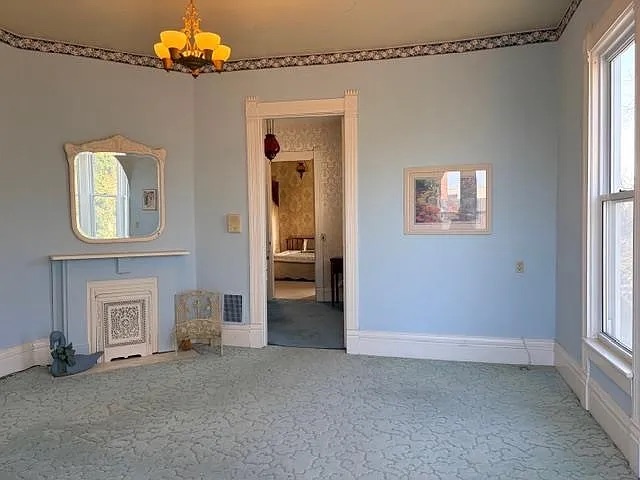
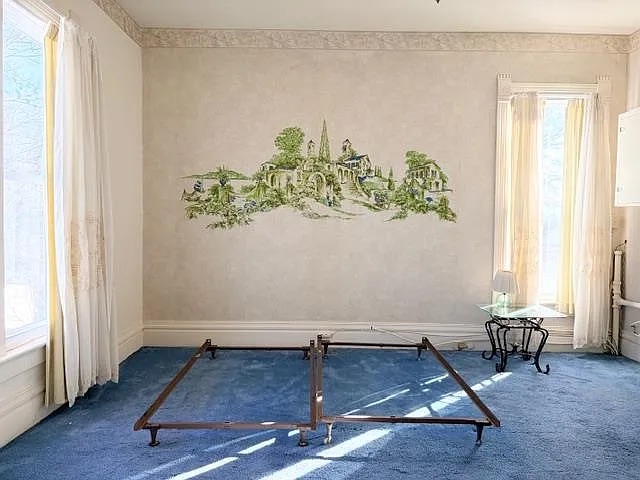
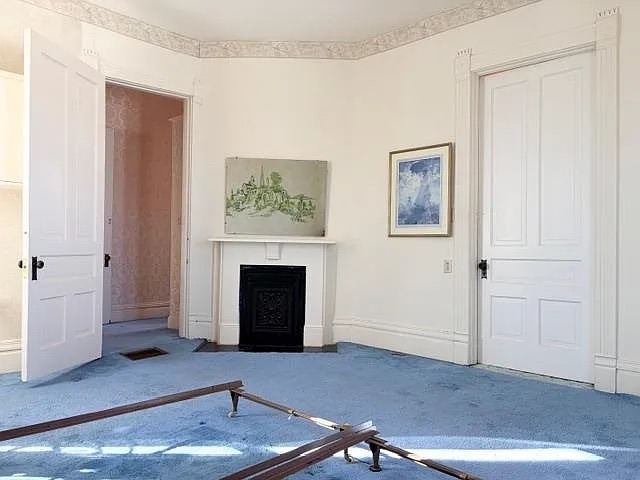
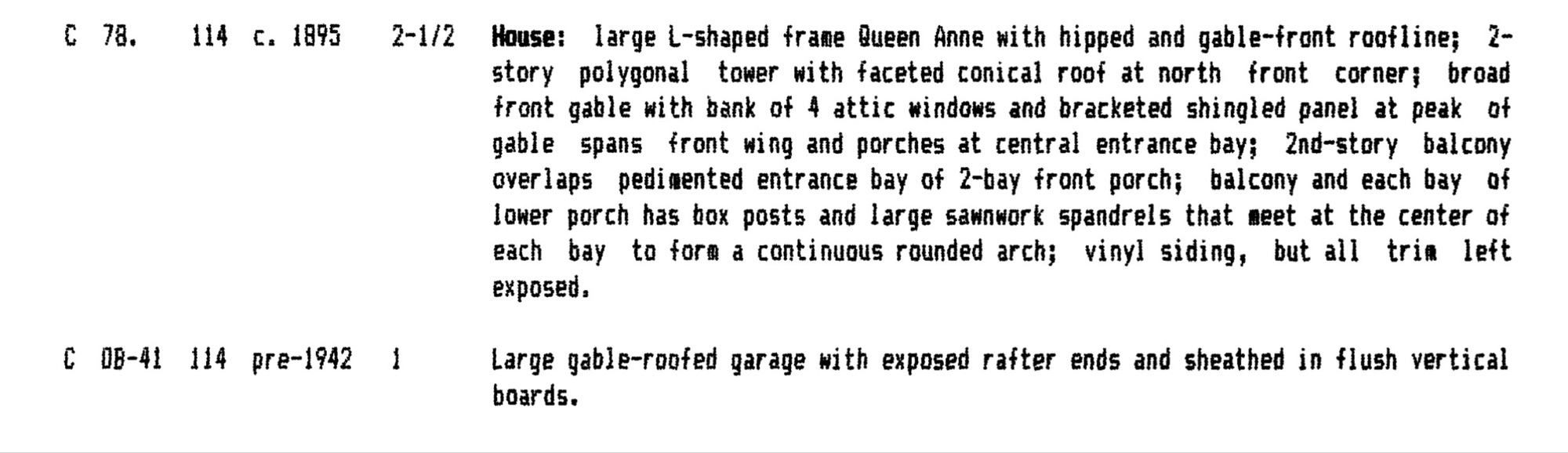
Its tower still rises above the street. Its broad gables and layered shingles still reflect the confidence of 1890s Henderson. Even with later updates, the house retains the proportions and presence of the era in which it was built.
When you pass 114 South Alves today, you’re seeing the same house that once answered to 124. The same house that sheltered nurses, physicians, daughters inheriting family property – and a piano teacher whose students once filled its rooms with music.
The number changed. The life inside it did not stop.