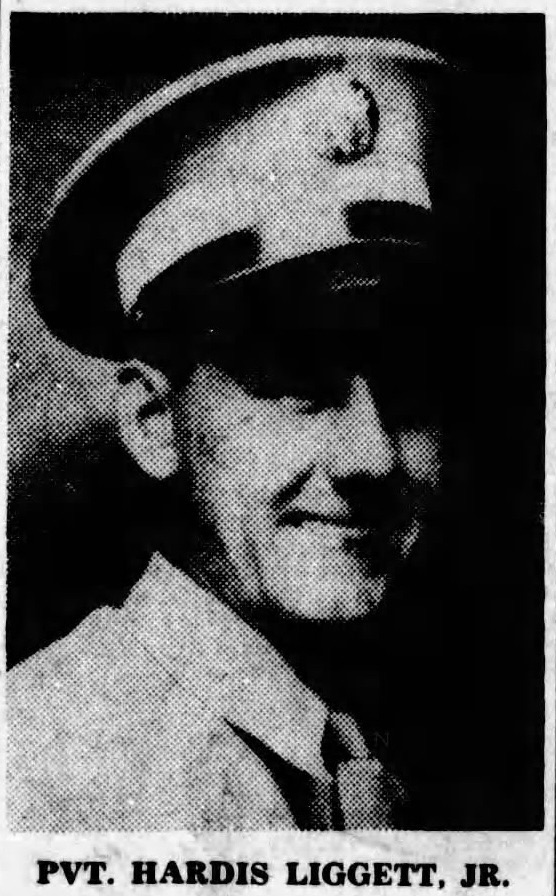
Henderson Hero at Bastogne: Pvt. Hardis J. Liggett (1922-1944) 🇺🇸
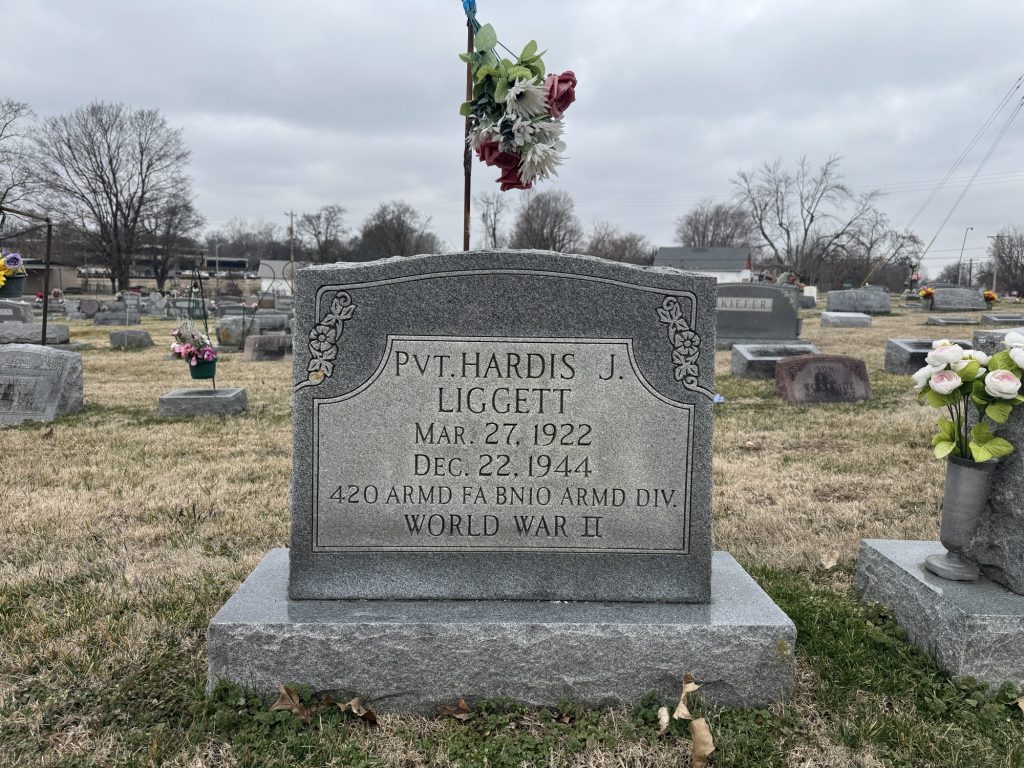
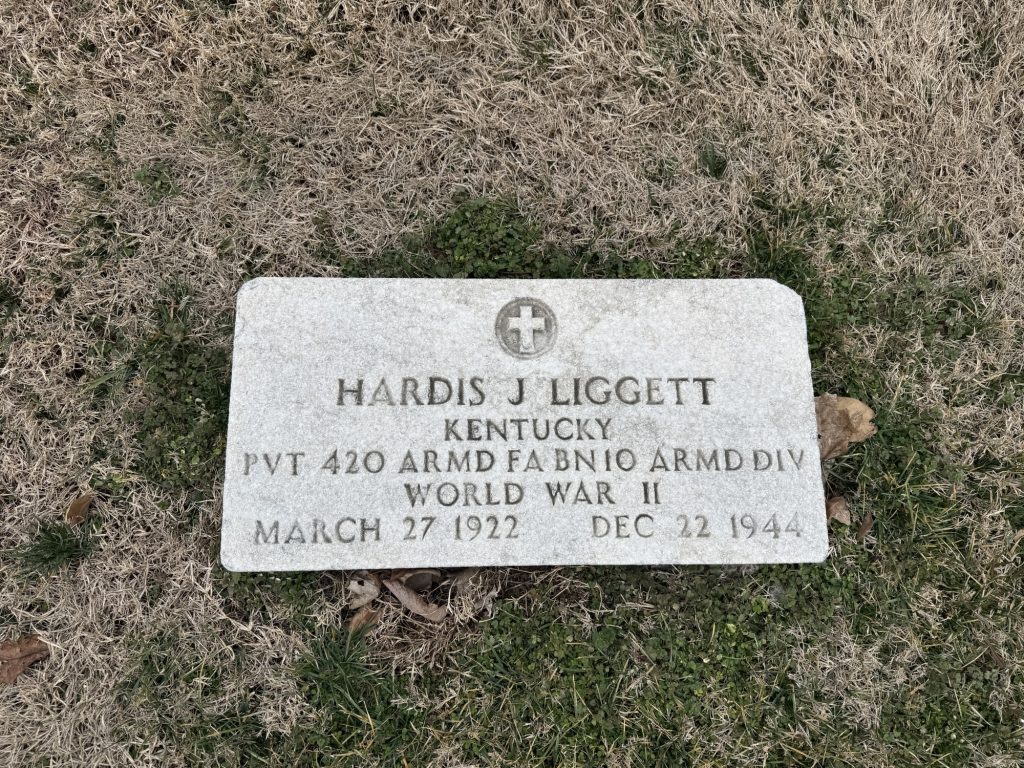
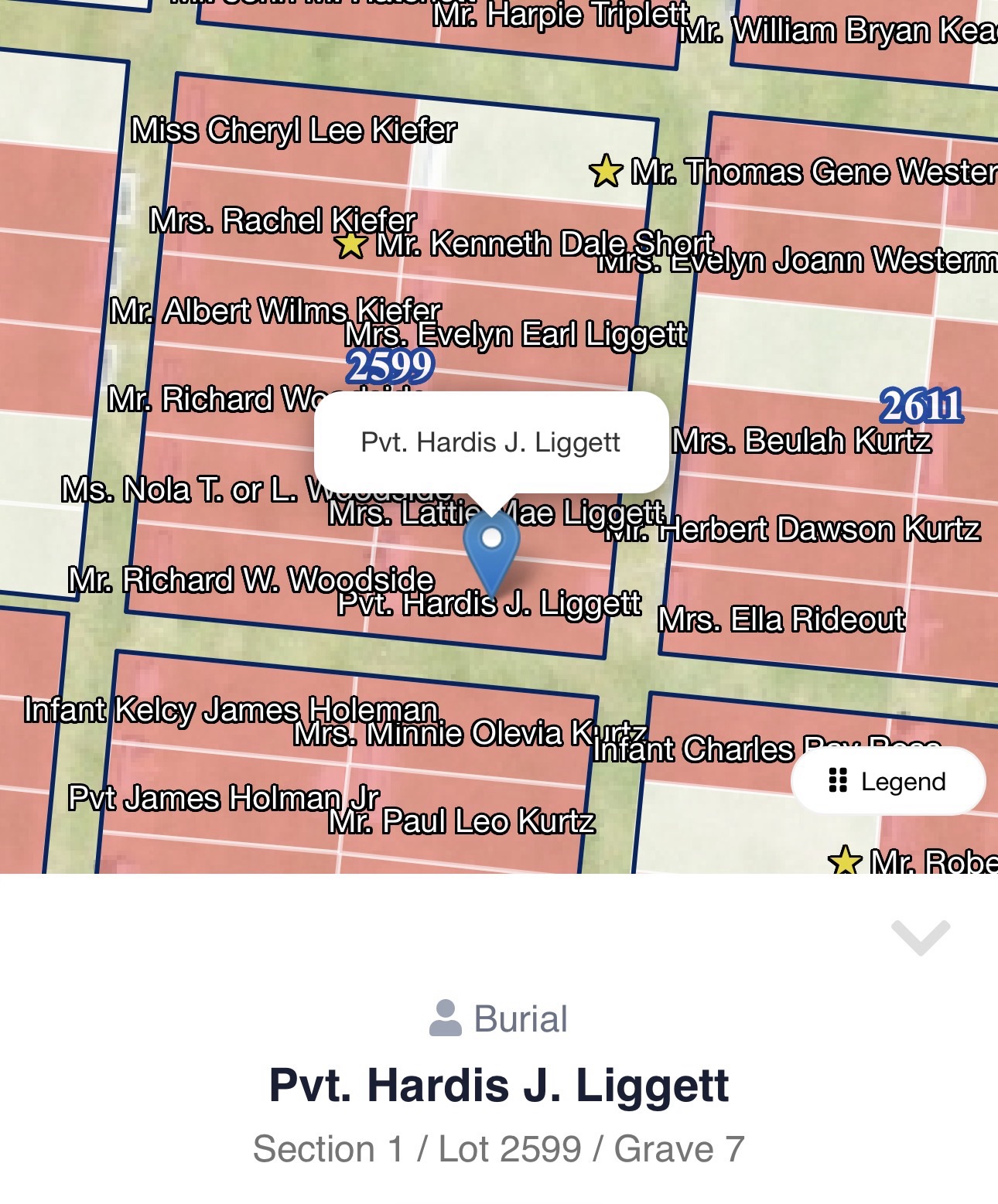
If you walk through Fernwood Cemetery and find the grave of Pvt. Hardis J. Liggett, you will notice something that quietly sets it apart. There is the familiar flat white government-issued military marker, simple and uniform, bearing the cross and the standard inscription: Hardis J. Liggett, Kentucky, Pvt 420 Armd FA Bn 10 Armd Div, World War II, March 27, 1922 – Dec. 22, 1944. But standing nearby is a second stone – a family monument, taller and more personal, purchased by those who loved him. One stone represents the nation’s recognition of sacrifice. The other represents a family’s grief.
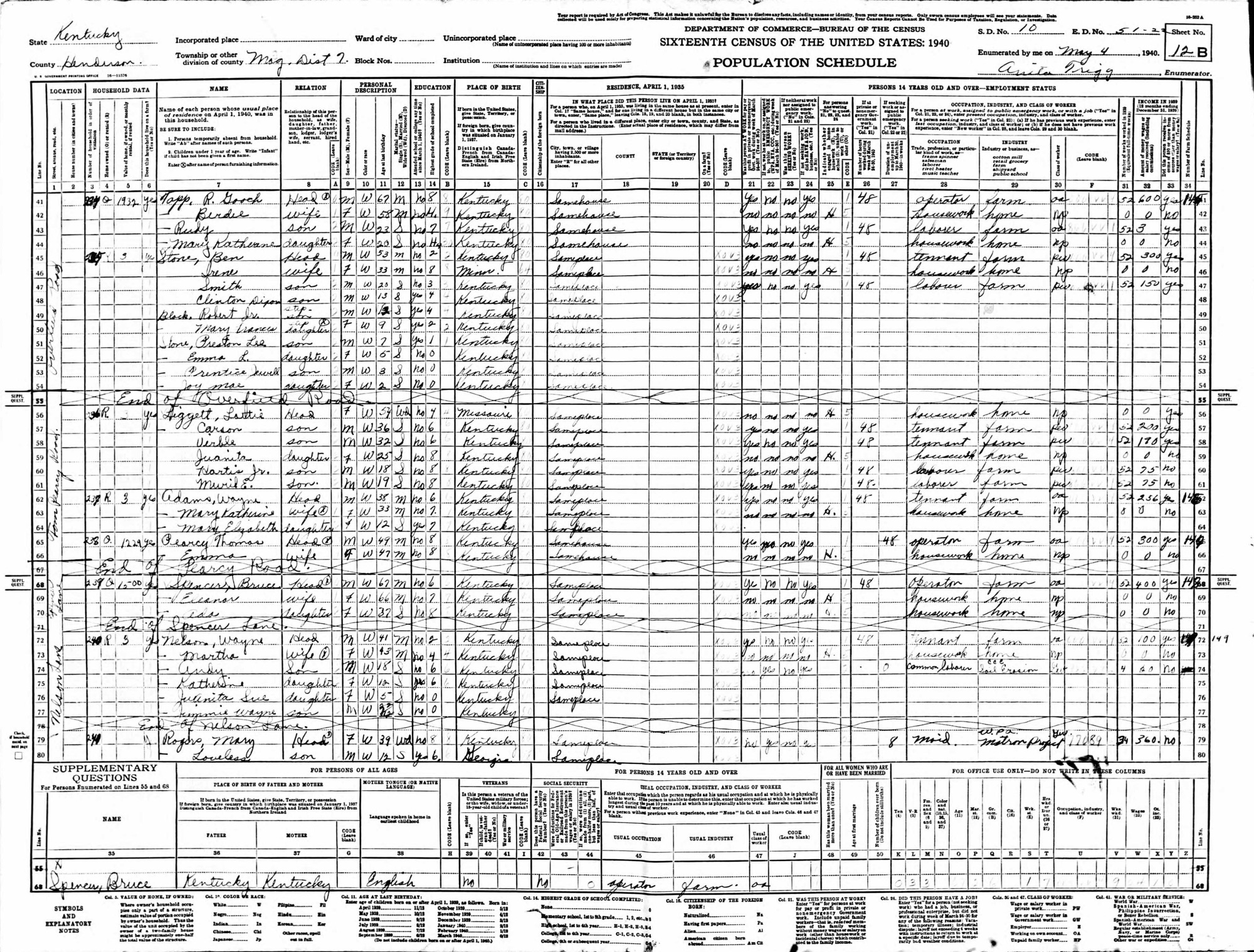
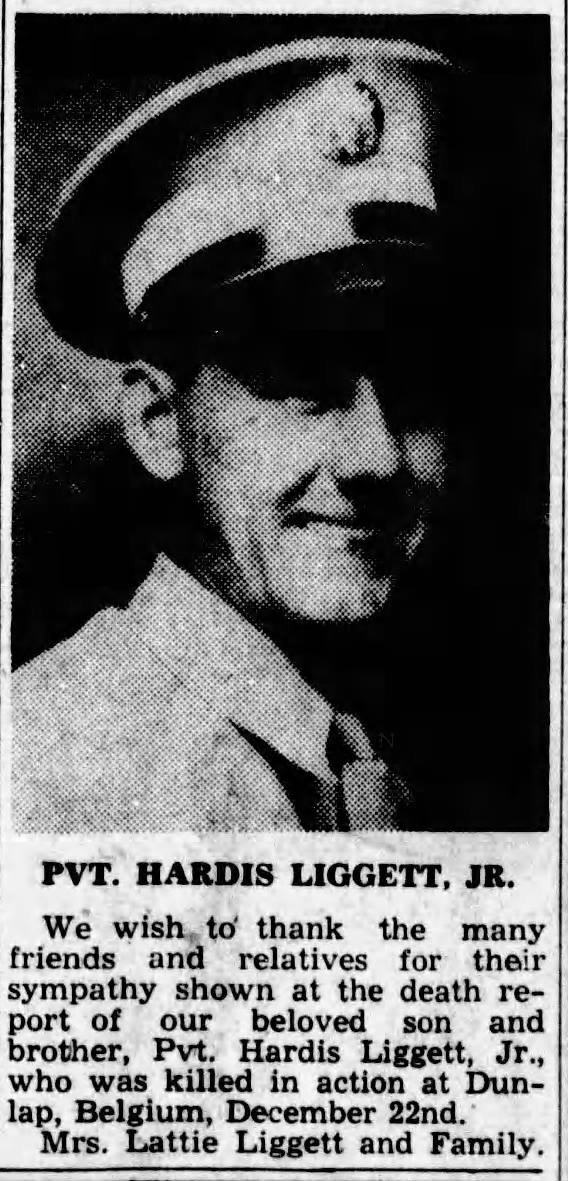
Hardis was born in Henderson County in the spring of 1922, the son of Lattie Mae Liggett of Robards. In 1940 he was still here at home, listed in the census among his family, another young Henderson County man whose future likely seemed ordinary and open-ended. Two years later, on December 27, 1942, he enlisted in the United States Army. By late 1944 he was serving with the 420th Armored Field Artillery Battalion of the 10th Armored Division, part of General Patton’s Third Army. He was twenty-two years old.
In December 1944, the German army launched a massive surprise offensive through the Ardennes Forest. The crossroads town of Bastogne became a critical objective. The 10th Armored Division was rushed forward to delay the German advance and hold key positions while reinforcements could arrive. The fighting was desperate and the weather bitterly cold. On December 22, 1944, during the opening days of what became the Siege of Bastogne, Private Hardis J. Liggett was killed in action.
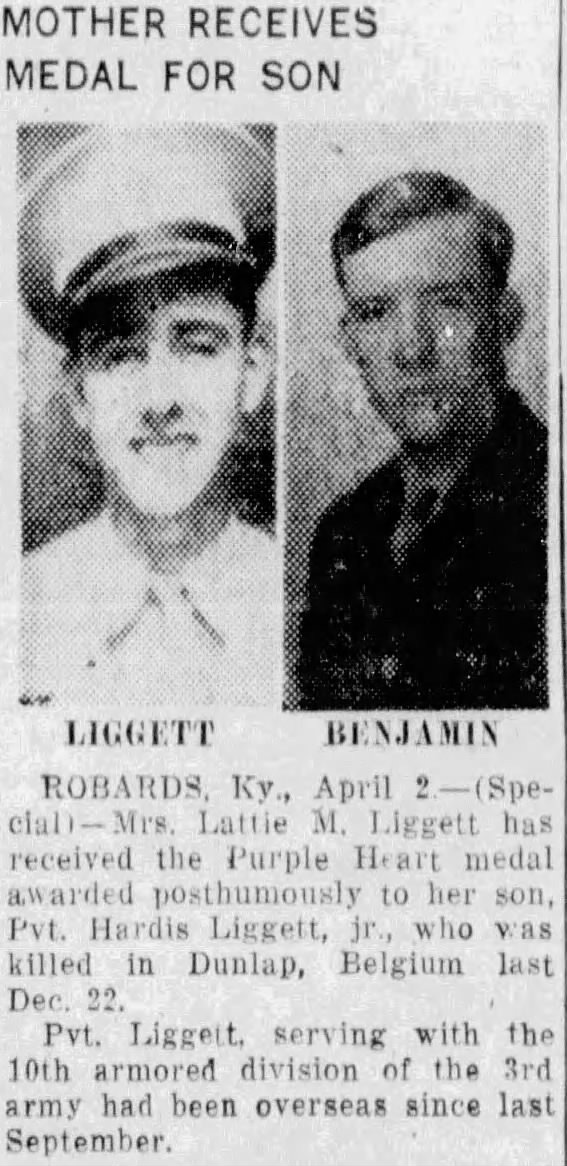
Back home in Henderson County, the first notice would have come in the form of a telegram. In April 1945, newspapers reported that Mrs. Lattie M. Liggett received the Purple Heart awarded posthumously to her son. The article is brief, clinical in tone, but behind it was a mother standing in Robards holding a medal that represented both honor and devastating loss. Hardis had been overseas only a few months. He would not see his twenty-third birthday.
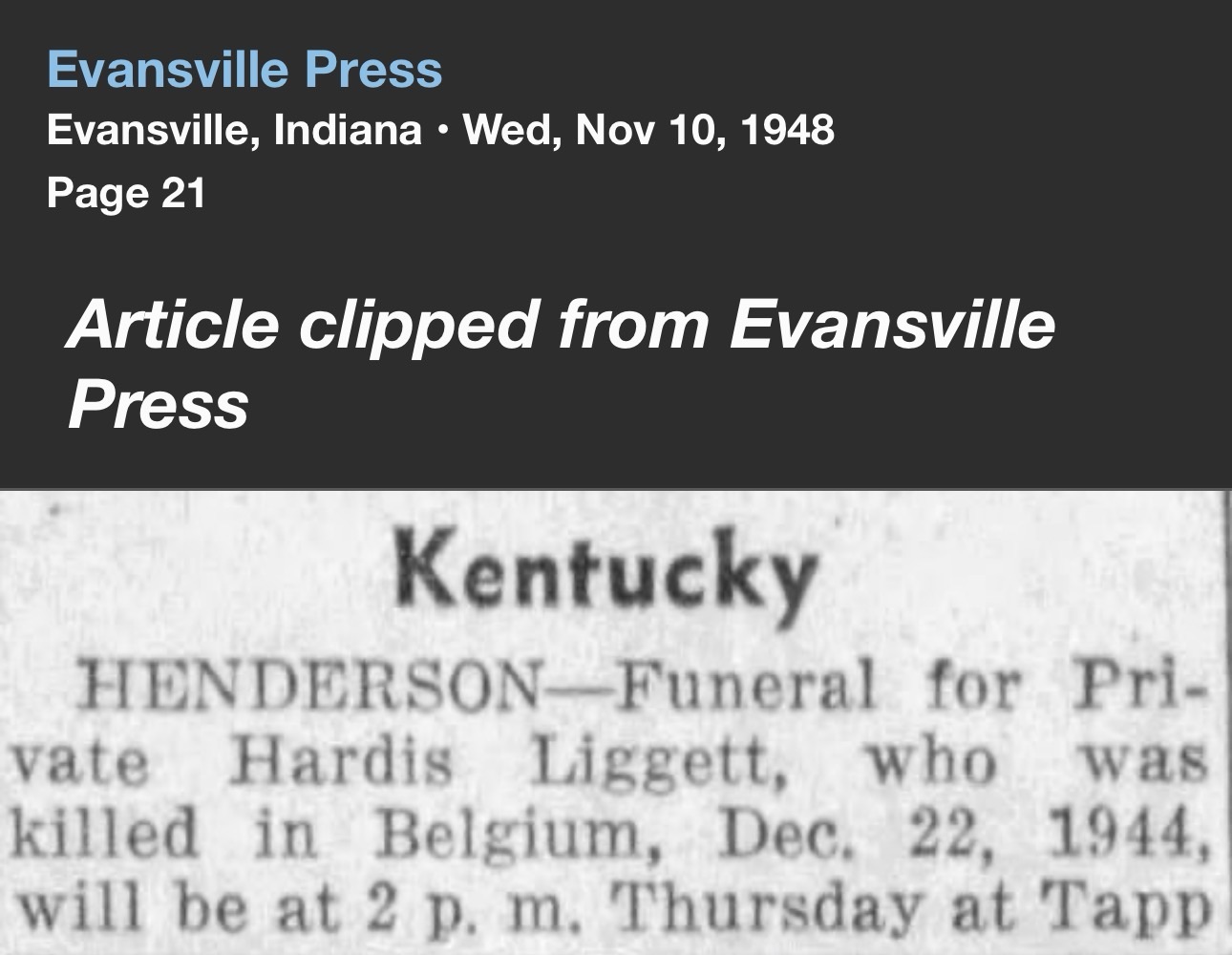
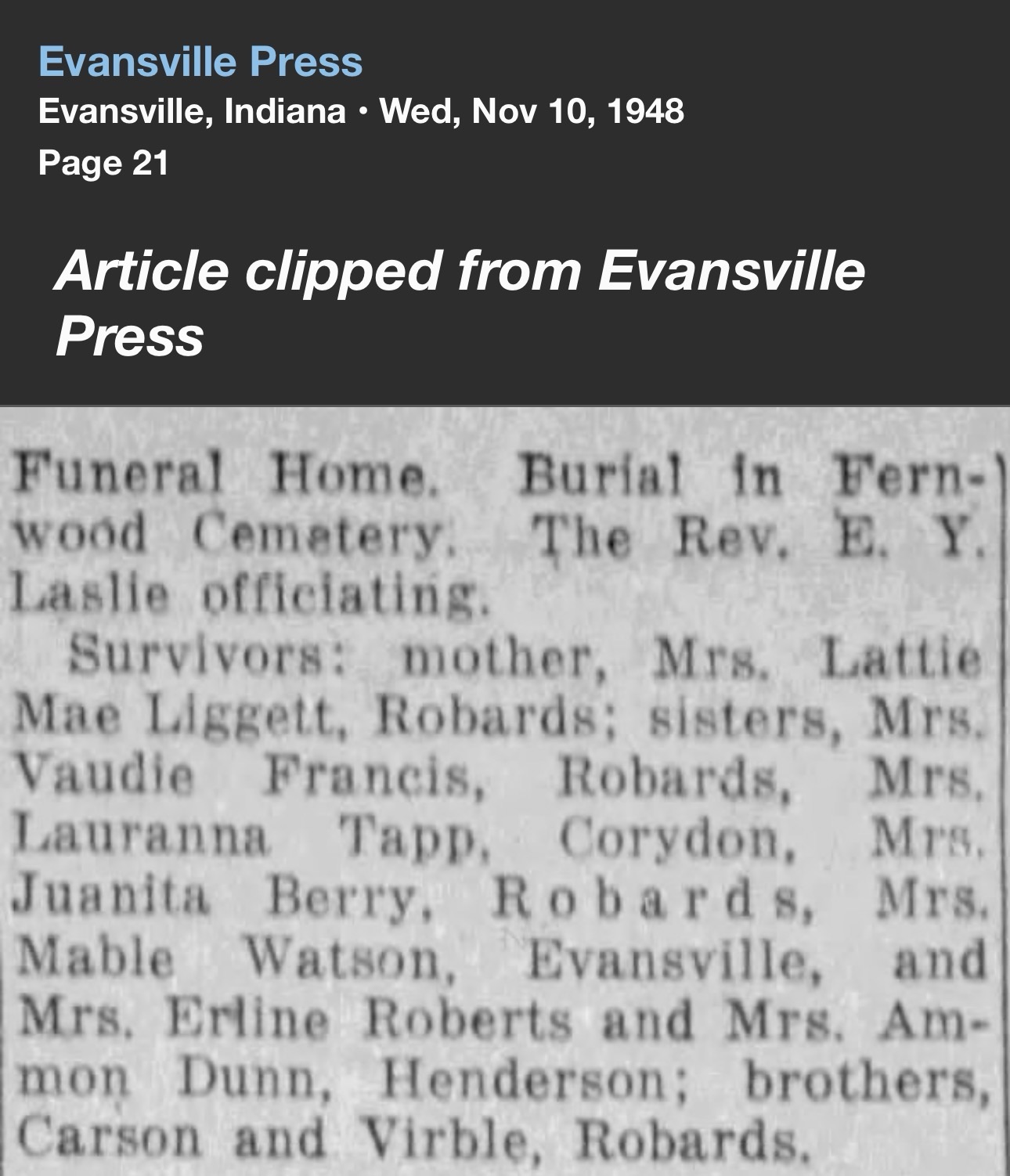
Like so many American servicemen who fell in Europe, he was first buried in a temporary military cemetery overseas. In 1948, nearly four years after his death, his remains were returned to the United States aboard the Army transport Carroll Victory. Local newspapers announced his funeral in Henderson, with burial in Fernwood Cemetery. After the long delay common to so many World War II families, he was finally brought home.
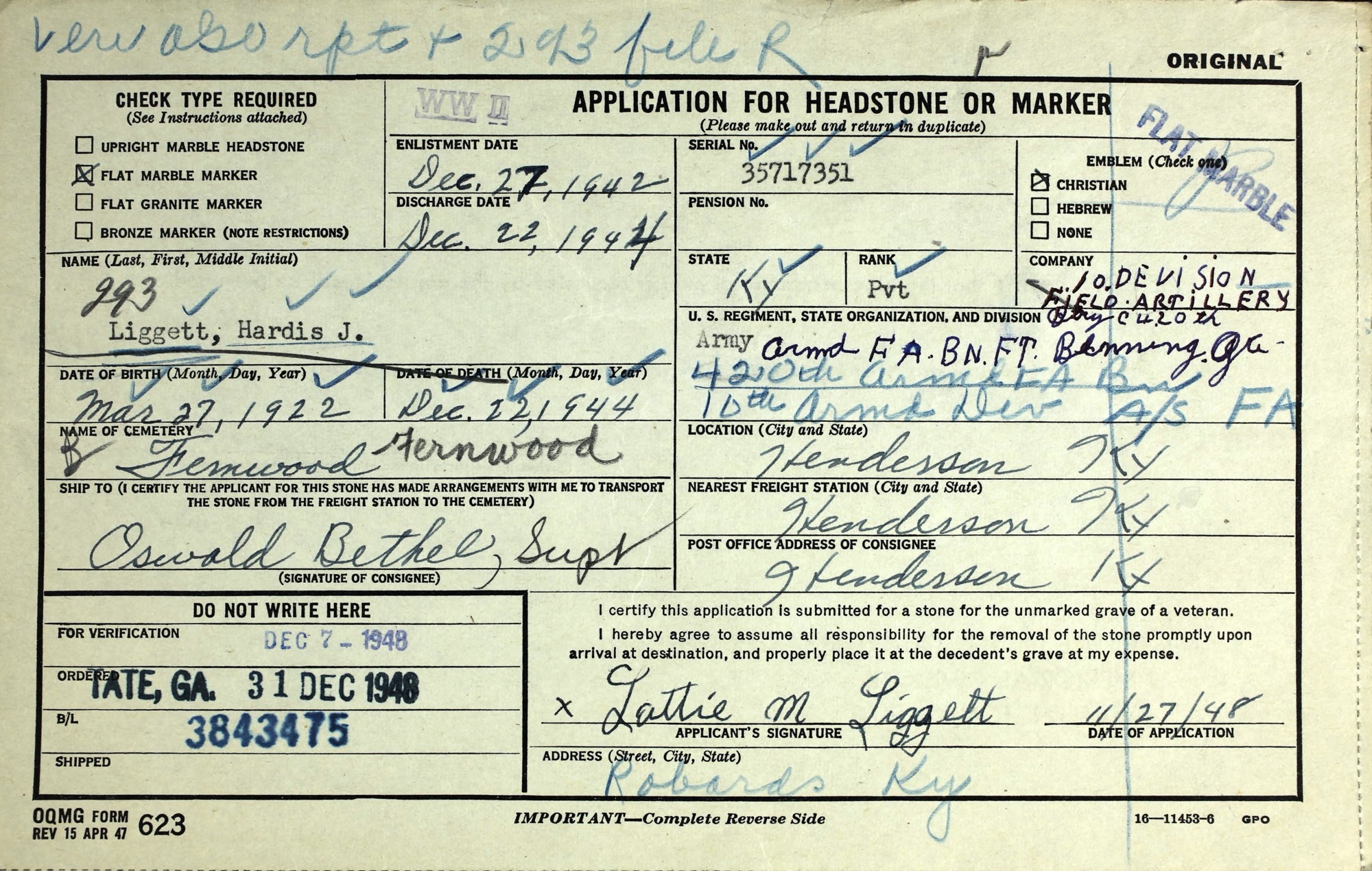
That same year, his mother signed the federal application for his government headstone. Her signature still survives on the document – steady, formal, official. The flat white marker placed at his grave was the government’s standardized tribute, identical in design to thousands of others across the country. But the family did not leave it at that. They also placed a larger monument, carved with his full name and dates, ensuring that his memory would stand not only as a soldier, but as a son.
Today, both stones rest side by side in Fernwood Cemetery. One speaks for the United States Army. The other speaks for Henderson County. Together they tell the full story of a young man who left Robards, stood in the frozen Ardennes during the Battle of the Bulge, and never returned alive – except to be carried home years later to the place where his life began.
He was twenty-two years old. A Henderson County native. An artilleryman in the 10th Armored Division. Killed in action on December 22, 1944. Awarded the Purple Heart. Remembered by his country. And remembered, just as importantly, by his family.
And in the quiet rows of Fernwood, both stones remain – one of sacrifice, one of love.