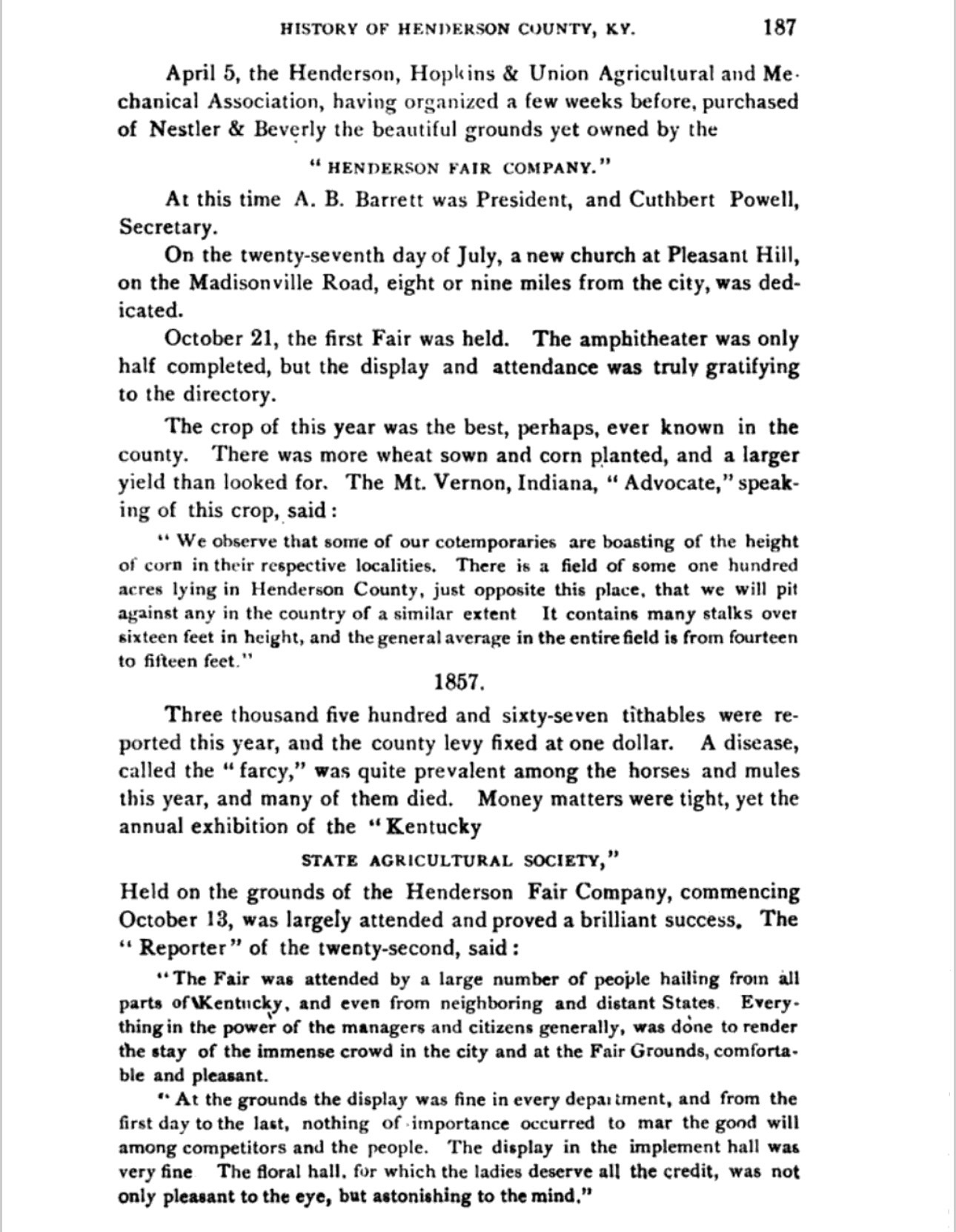
In the years just before the Civil War, Henderson County was already looking ahead-toward growth, innovation, and community pride. That vision took shape in the mid-1850s with the formation of an agricultural association that soon purchased land for what became known as the Henderson Fair Company. By October of 1856, the county held its first fair. The amphitheater was only half finished, but the crowds came anyway, and by all accounts, they left impressed.
The early fairs were a celebration of everything Henderson County produced. Crops were exceptional-some said the best ever known-with corn fields reportedly reaching heights of fourteen to sixteen feet. The fair became a place where farmers, craftsmen, and citizens gathered not only to compete, but to showcase the strength and promise of the region.
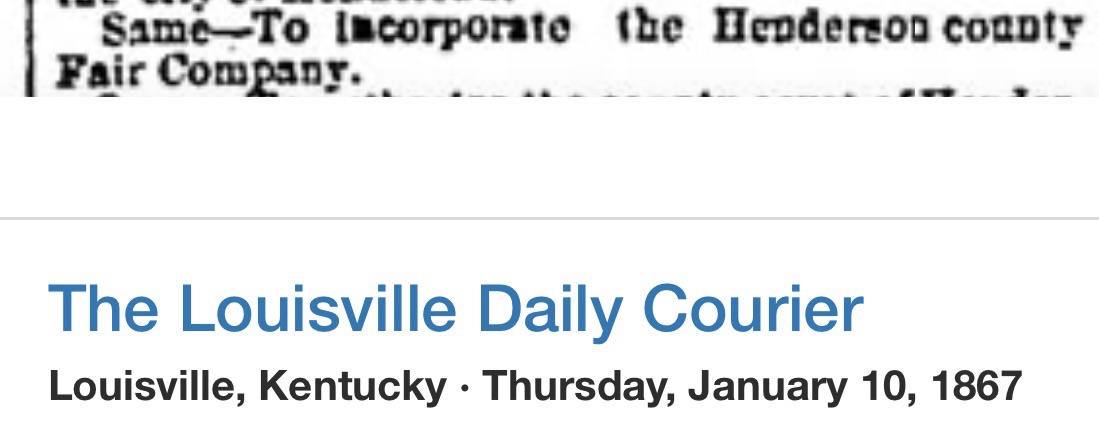
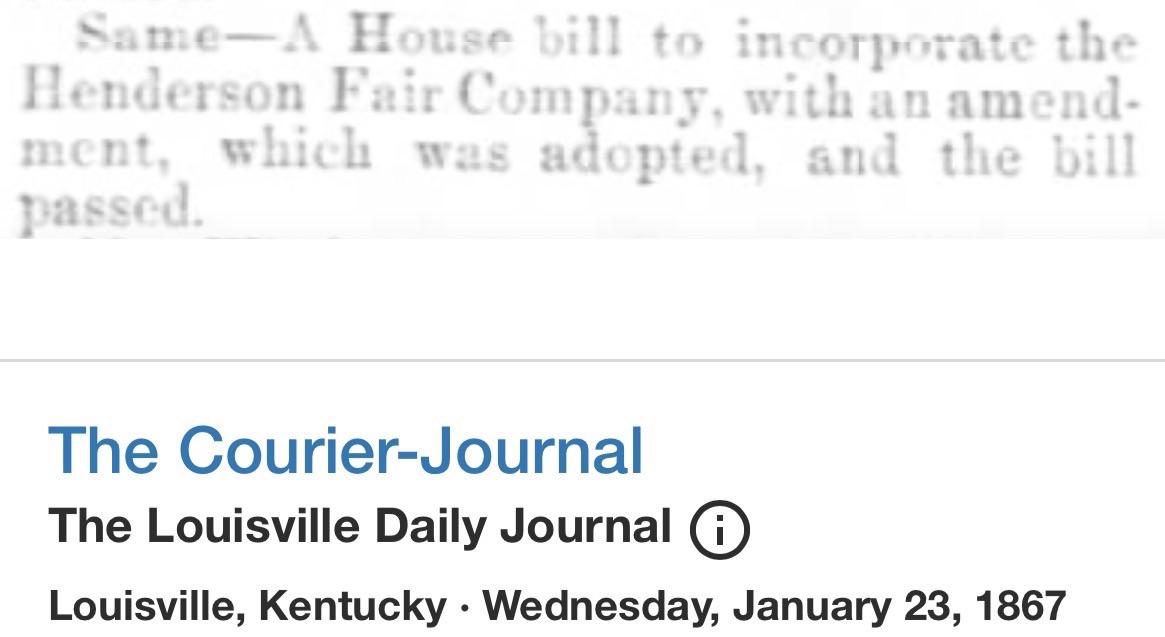
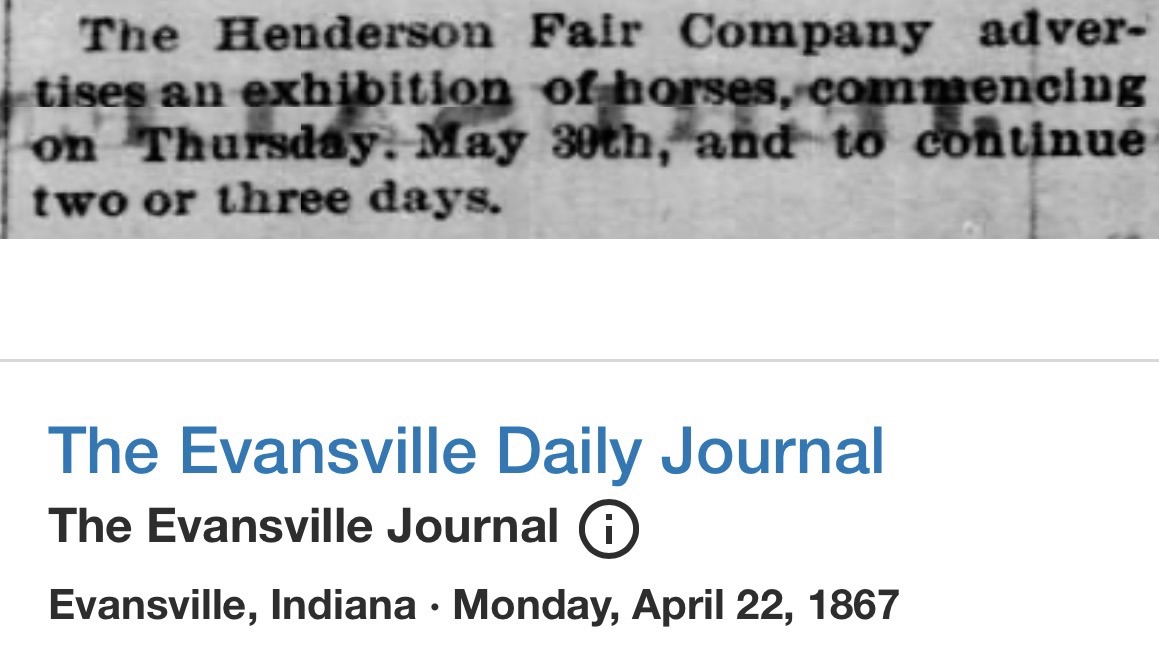
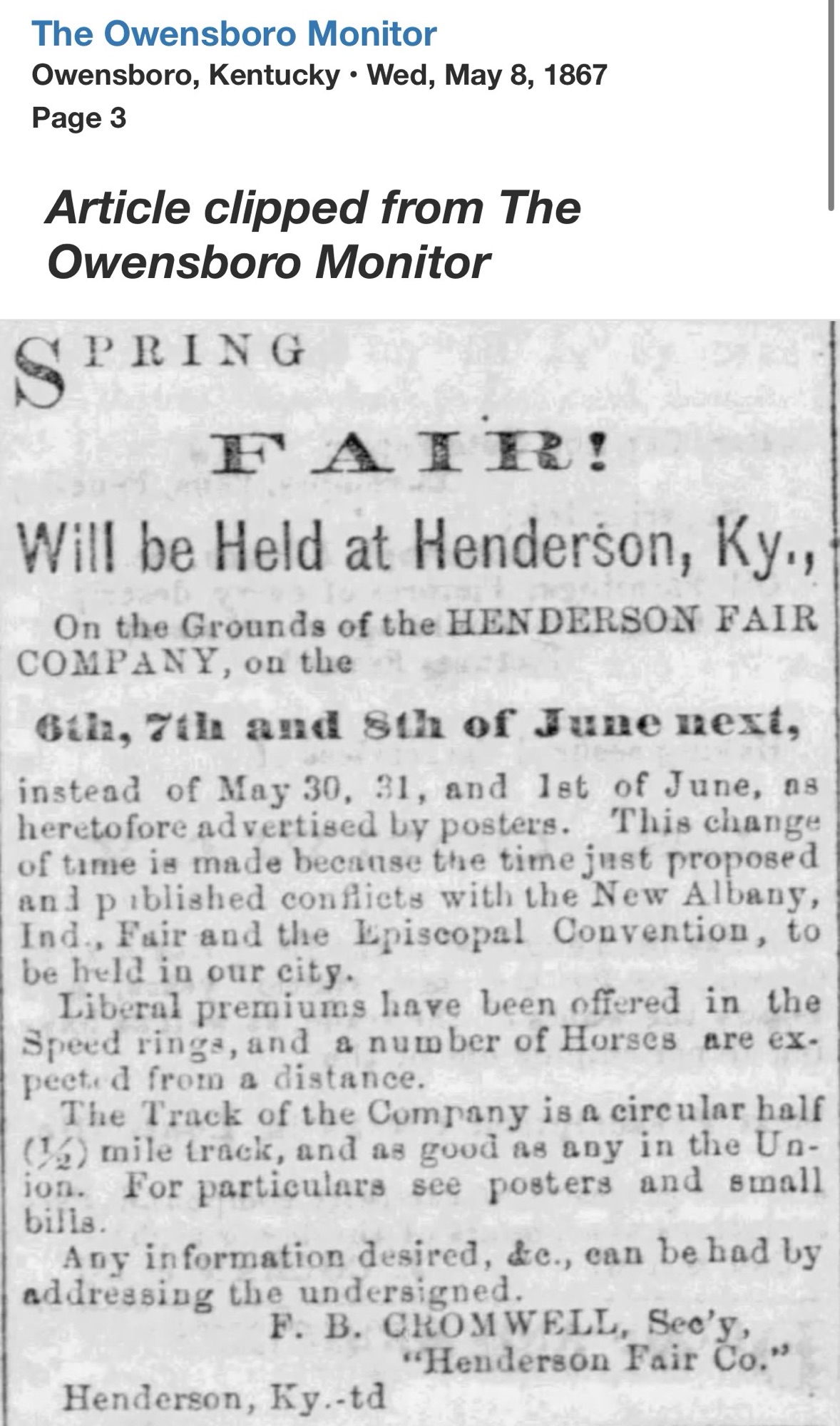
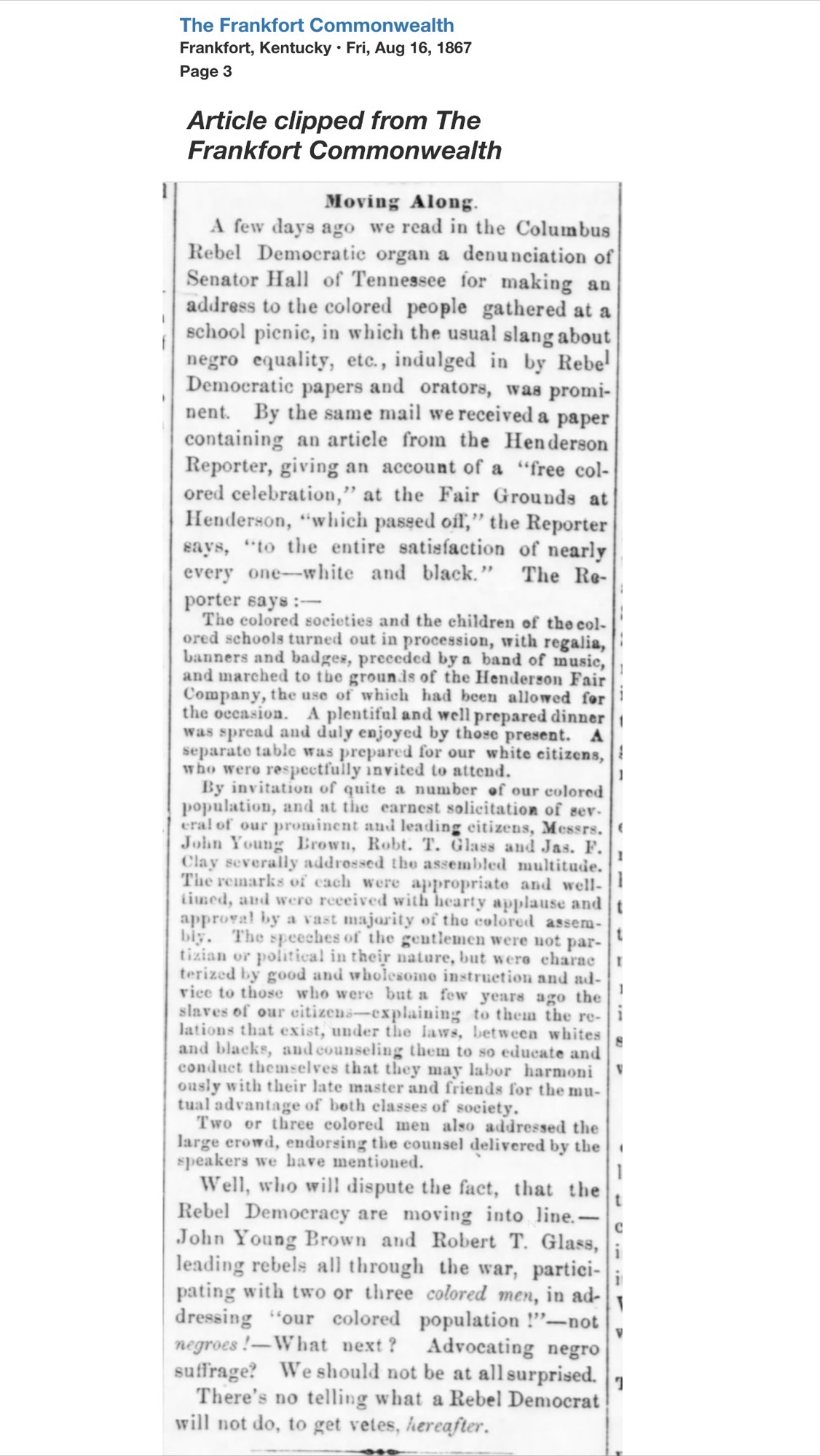
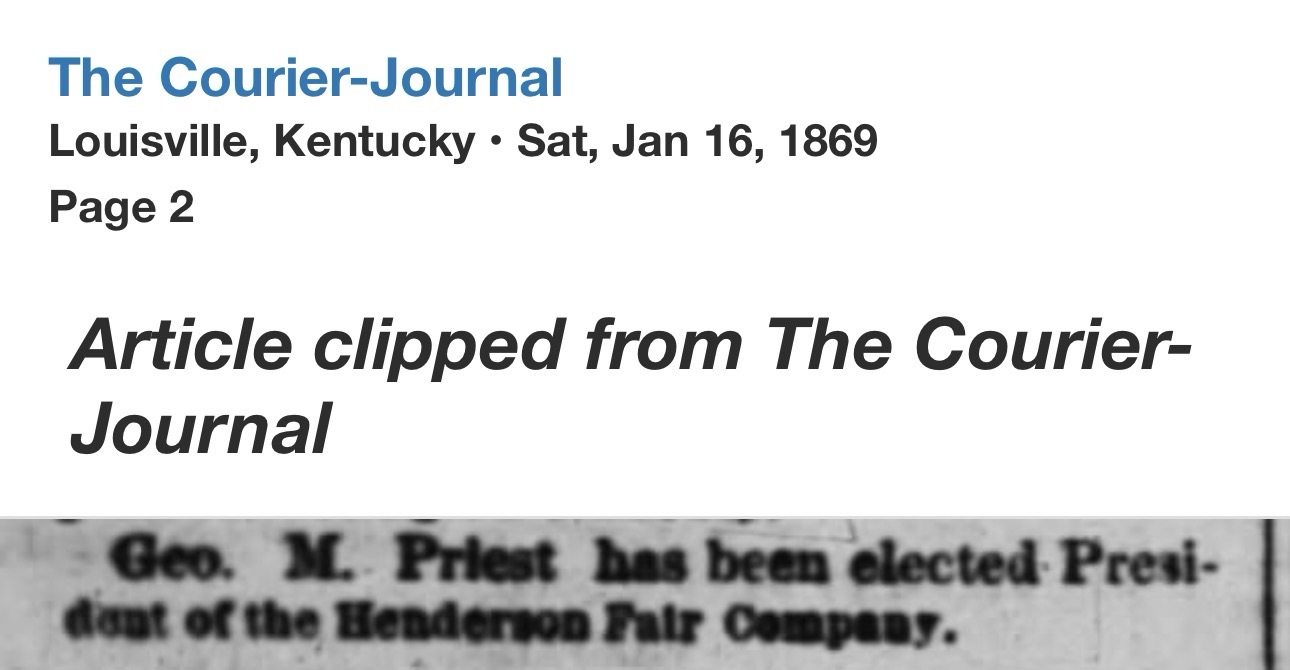
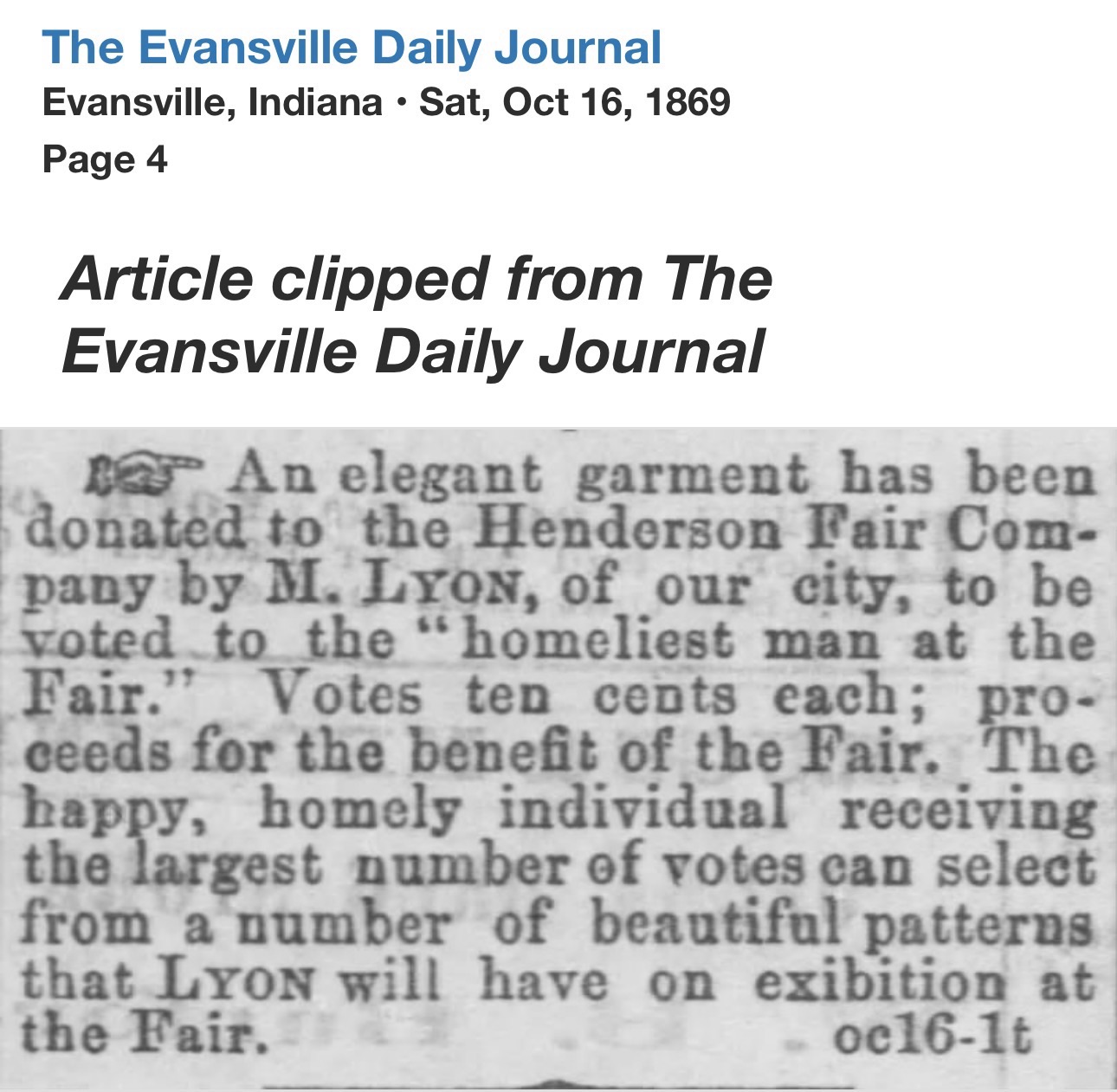
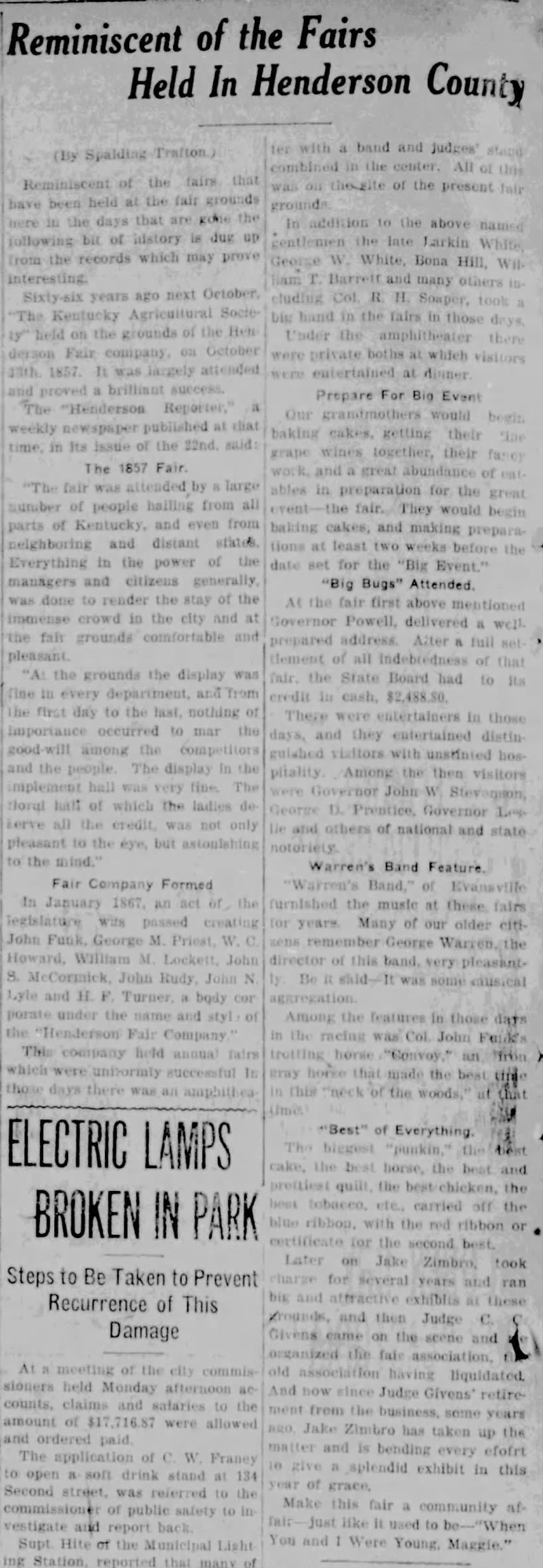
In January of 1867, the Kentucky legislature formally incorporated the Henderson Fair Company. The names behind it read like a roll call of early Henderson leadership-John Fulk, George M. Priest, W. C. Howard, William M. Lockett, John S. McCormick, John Rudy, John N. Lyle, and H. F. Turner-men who committed to building something lasting. That same year, newspapers across Kentucky and Indiana began carrying notices of Henderson’s growing fair, advertising horse exhibitions, premium competitions, and multi-day events that drew visitors from across the region.
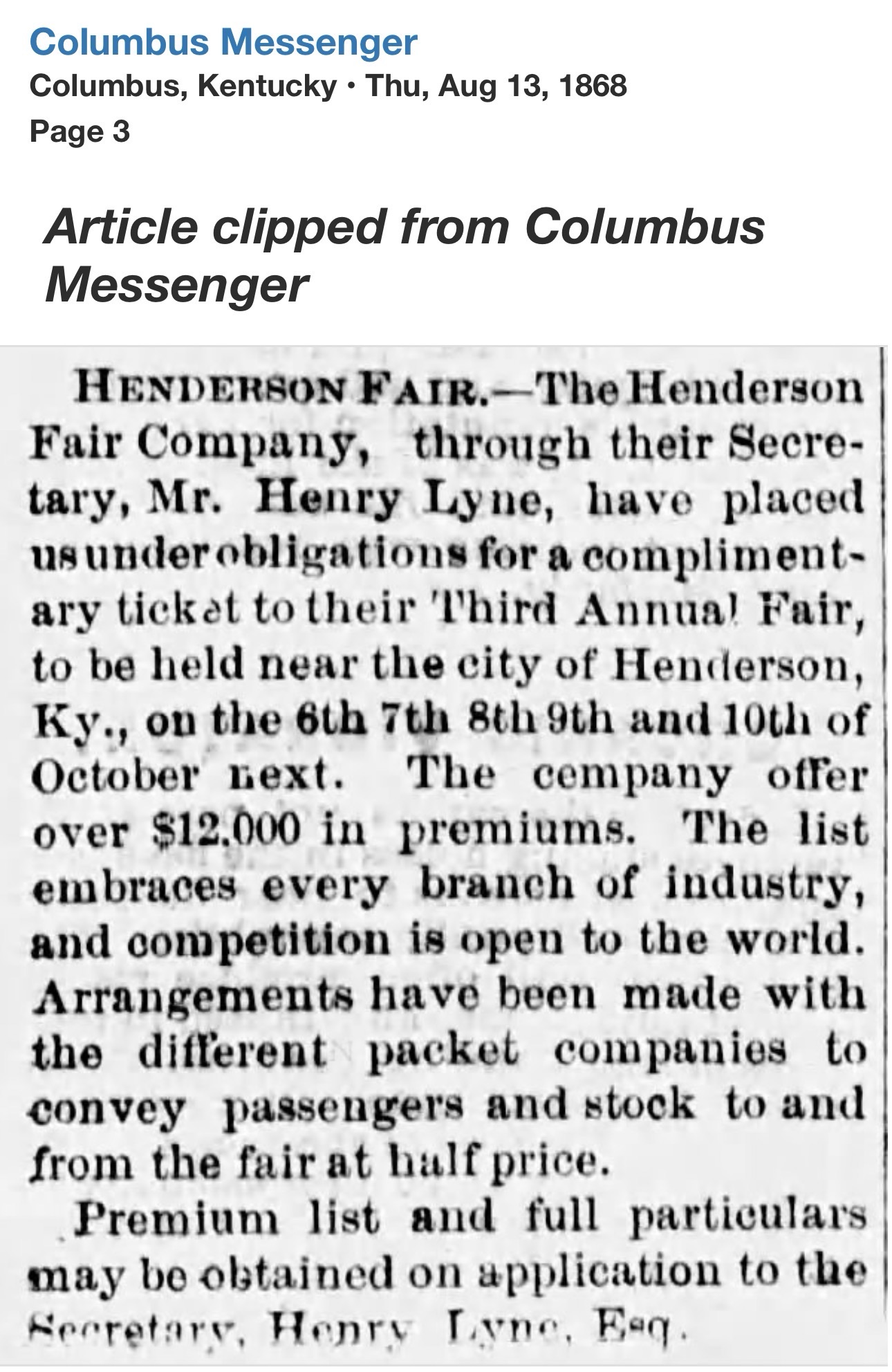
By the late 1860s, the fair had become a major attraction. One announcement promised more than $12,000 in premiums and declared that competition was “open to the world.” Special arrangements were made with packet boats and railroads to bring people in at reduced rates. Crowds arrived not just from Kentucky, but from neighboring states, filling the fairgrounds with livestock, exhibits, music, and excitement.
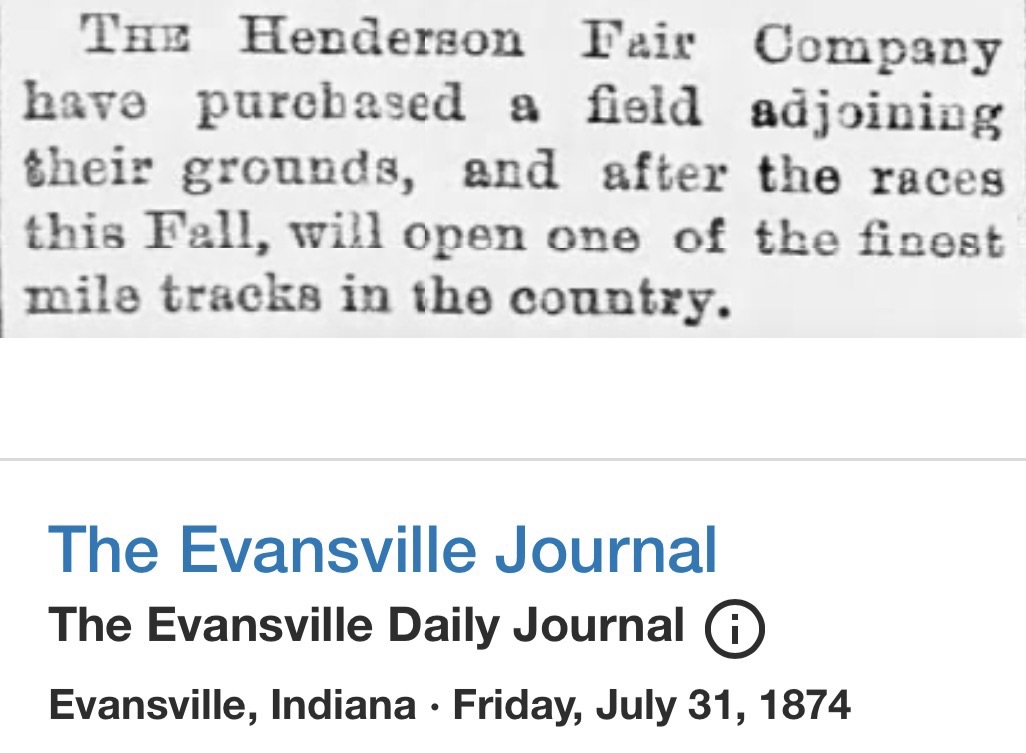
The grounds themselves continued to improve. By 1874, reports noted that additional land had been purchased adjoining the original site, and plans were underway for what was described as “one of the finest mile tracks in the country.” Horse racing became a centerpiece of the fair, drawing large crowds and elevating Henderson’s reputation even further.
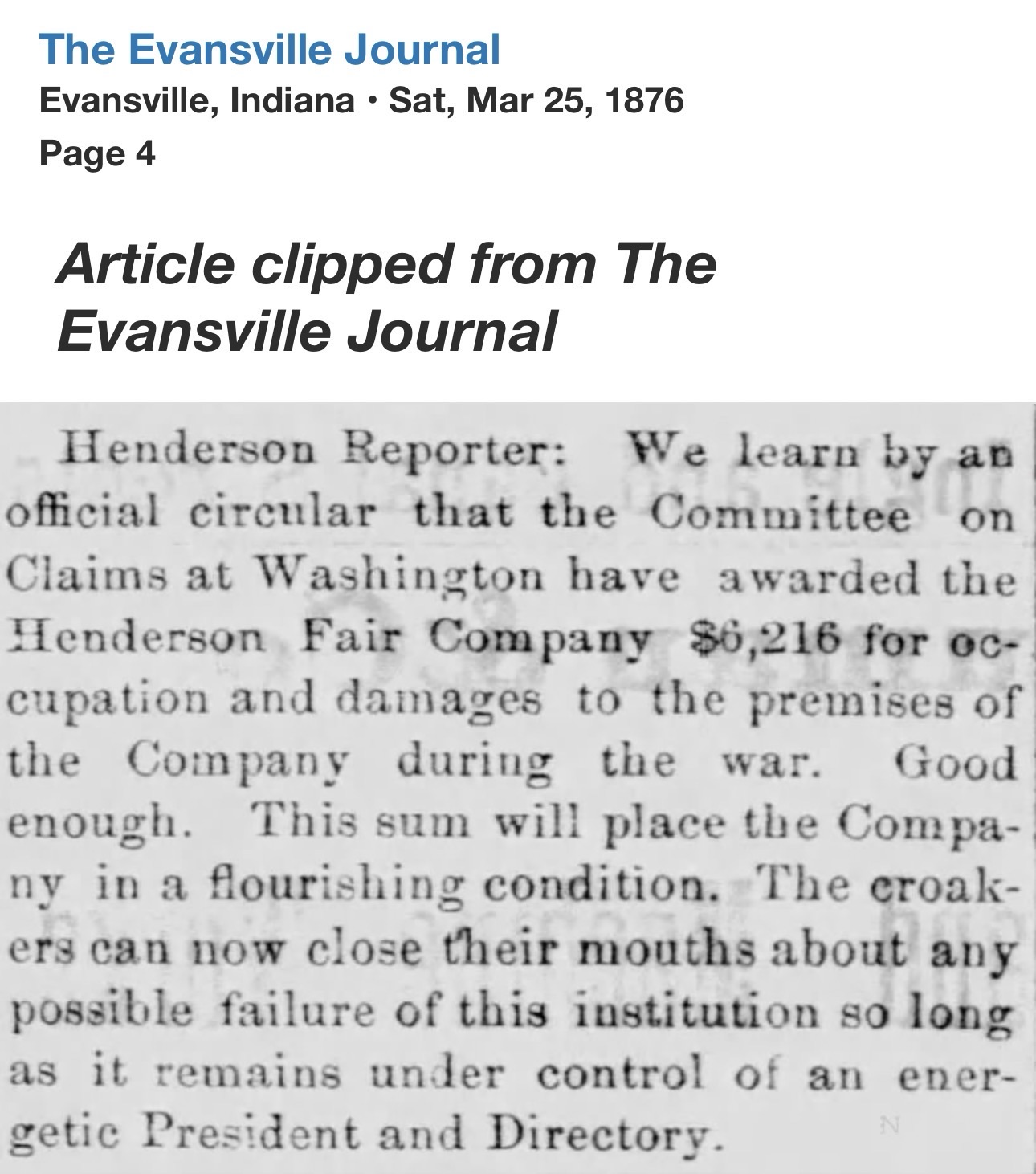
The Civil War had left its mark, however. During the conflict, the fairgrounds were occupied and damaged, but by 1876 the federal government awarded the Henderson Fair Company $6,216 in compensation. The payment helped restore the grounds and placed the organization back on solid footing. Newspapers at the time confidently declared that the company was once again in “a flourishing condition.”
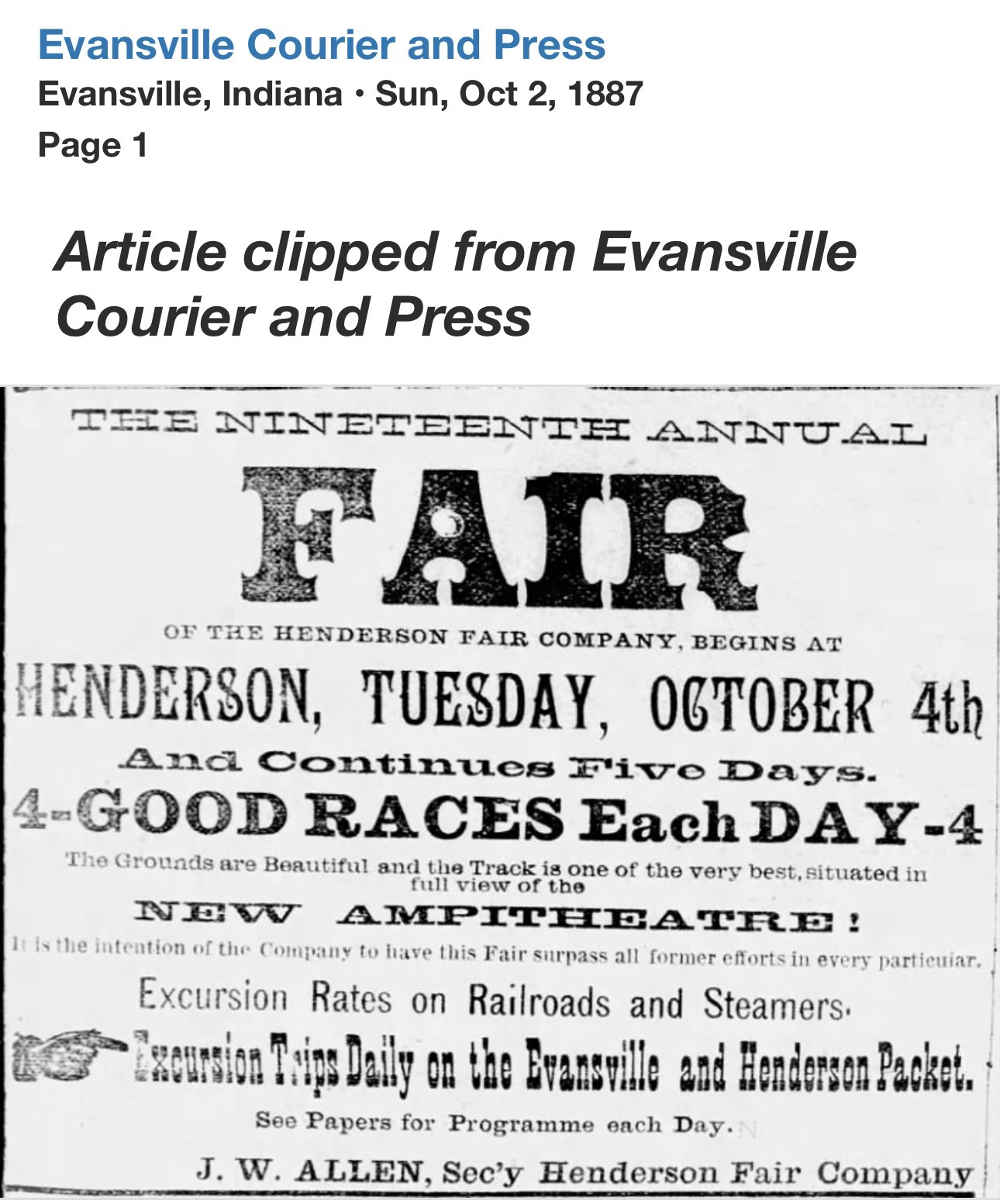
Through the 1880s, the fair continued to grow in both size and spectacle. Advertisements for the nineteenth annual fair in 1887 promised five full days of events, “good races each day,” a new amphitheater, and excursions on railroads and steamers. It was no longer just a county gathering-it was a regional destination.
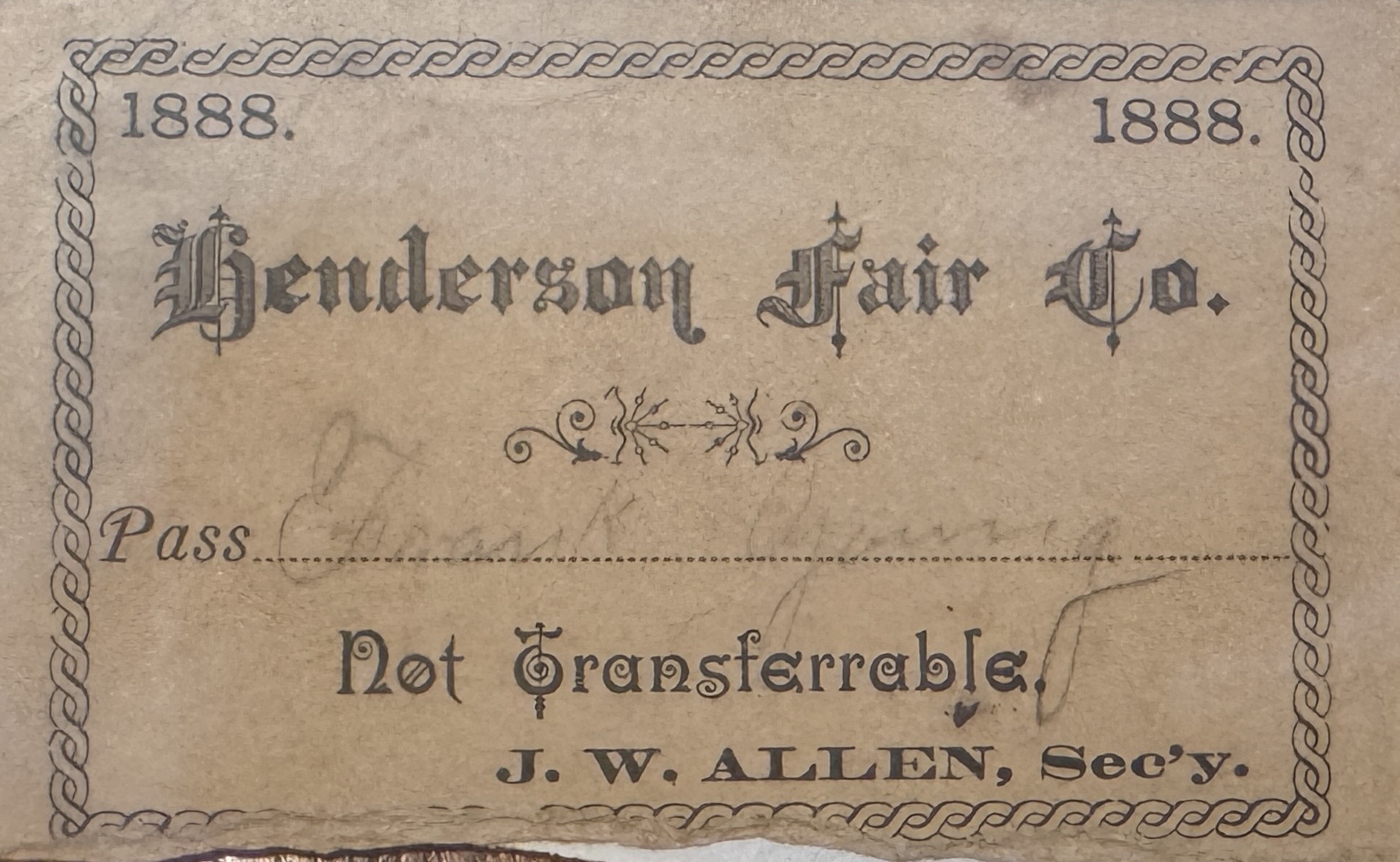
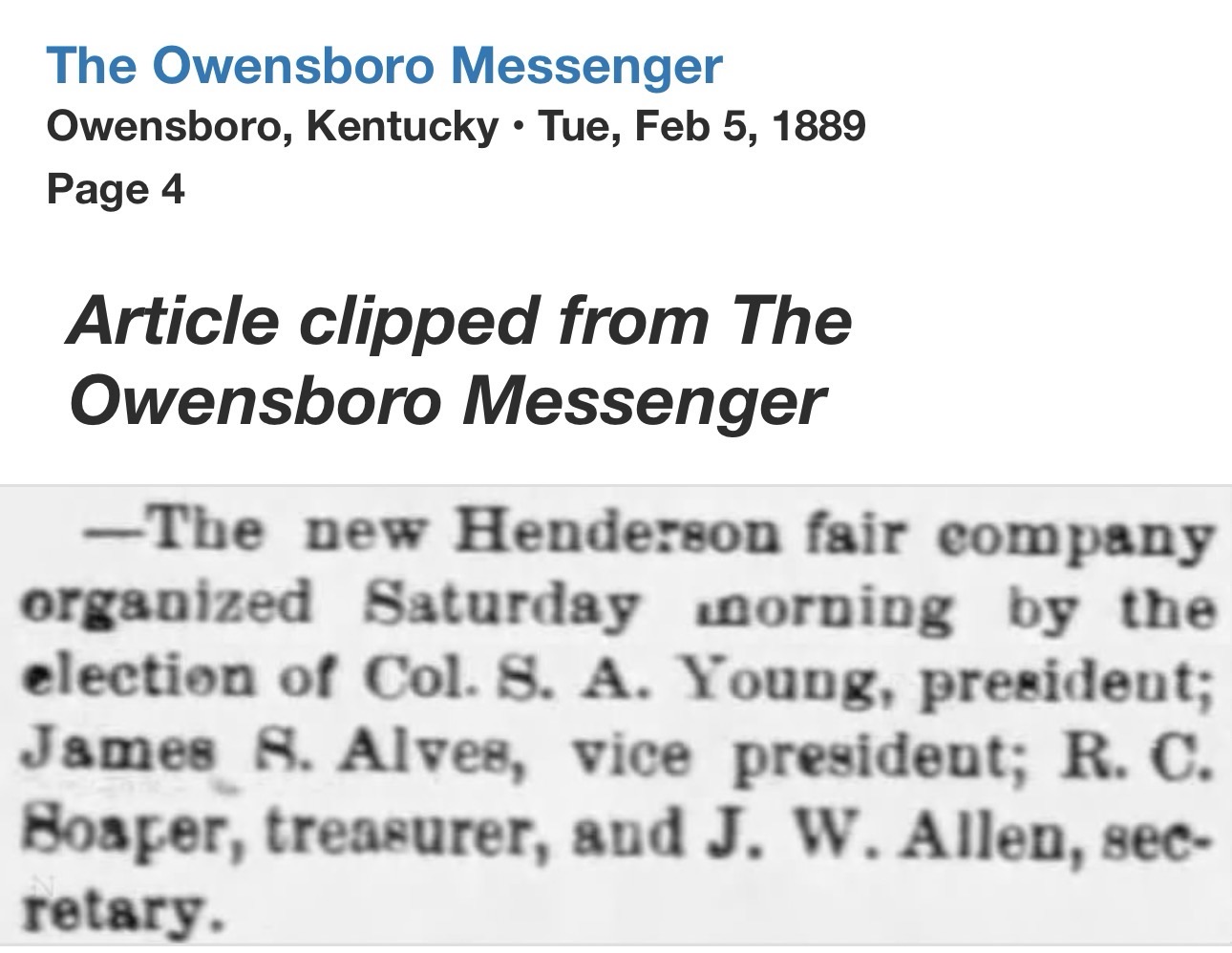
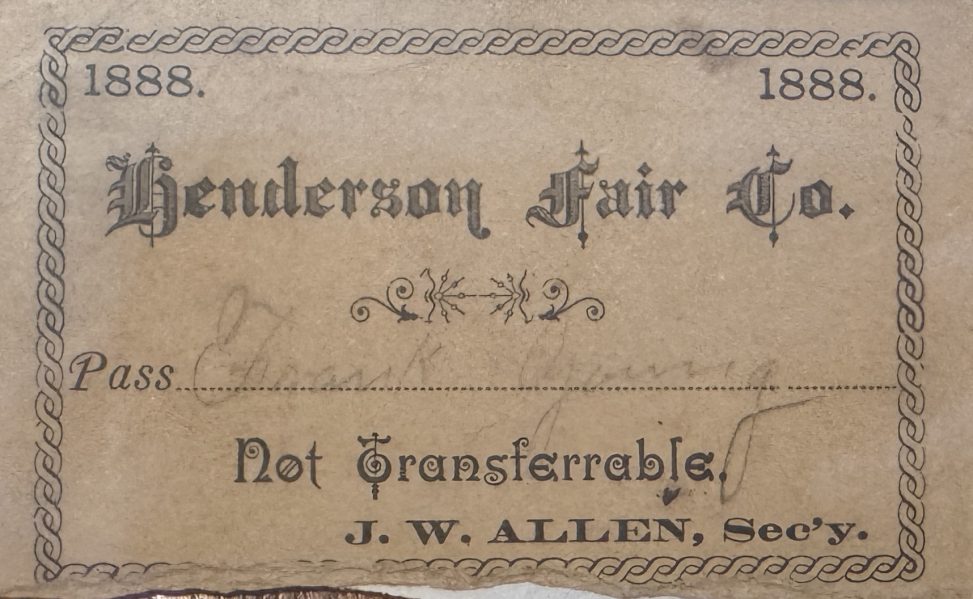
An 1889 notice records another reorganization of leadership, with Col. S. A. Young elected president and J. W. Allen serving as secretary, continuing a long line of local figures who guided the fair through its most successful years.
Looking back from the early 20th century, residents still remembered those fairs as something special. A 1923 reflection described the preparations-families baking for weeks, communities coming together, and crowds so large they filled both the city and the fairgrounds. There were bands, speeches, exhibitions, and competitions for everything from livestock to quilts. It was, as many called it, the “Big Event.”
The Henderson Fair Company was more than an organization. It was a symbol of the county’s identity-agricultural pride, community spirit, and a shared place where people gathered year after year. Long before modern festivals and events, this was where Henderson came together.