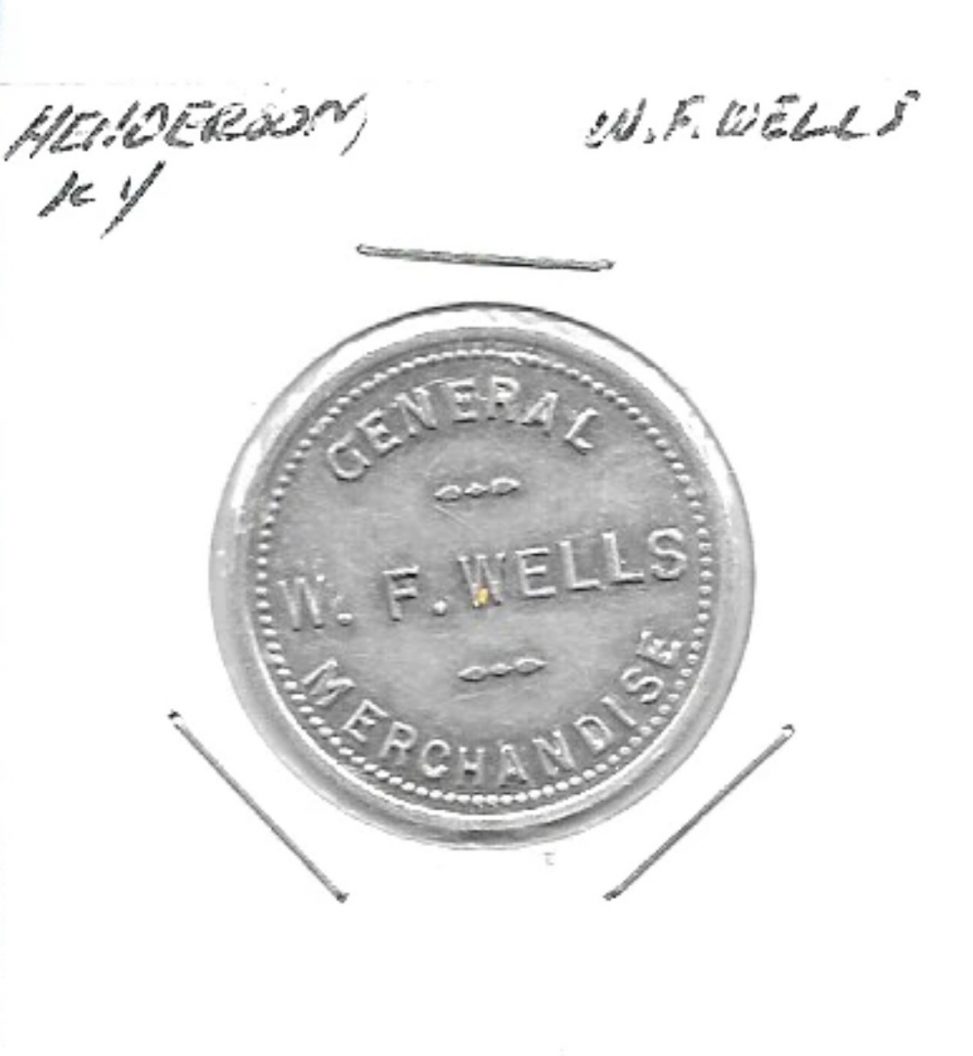
The Story of W. F. Wells – Merchant of Spottsville
In the quiet river community of Spottsville, long shaped by the Green River, coal camps, and the steady rhythm of rural life-a man named William F. Wells built his livelihood the old-fashioned way: one customer at a time.
Born around 1873 in Kentucky, Wells came of age in a region that had already seen several lifetimes of change. Spottsville itself had evolved from a rough river settlement known as “Shanty” and “The Locks” into a small but working community tied to river navigation and industry.
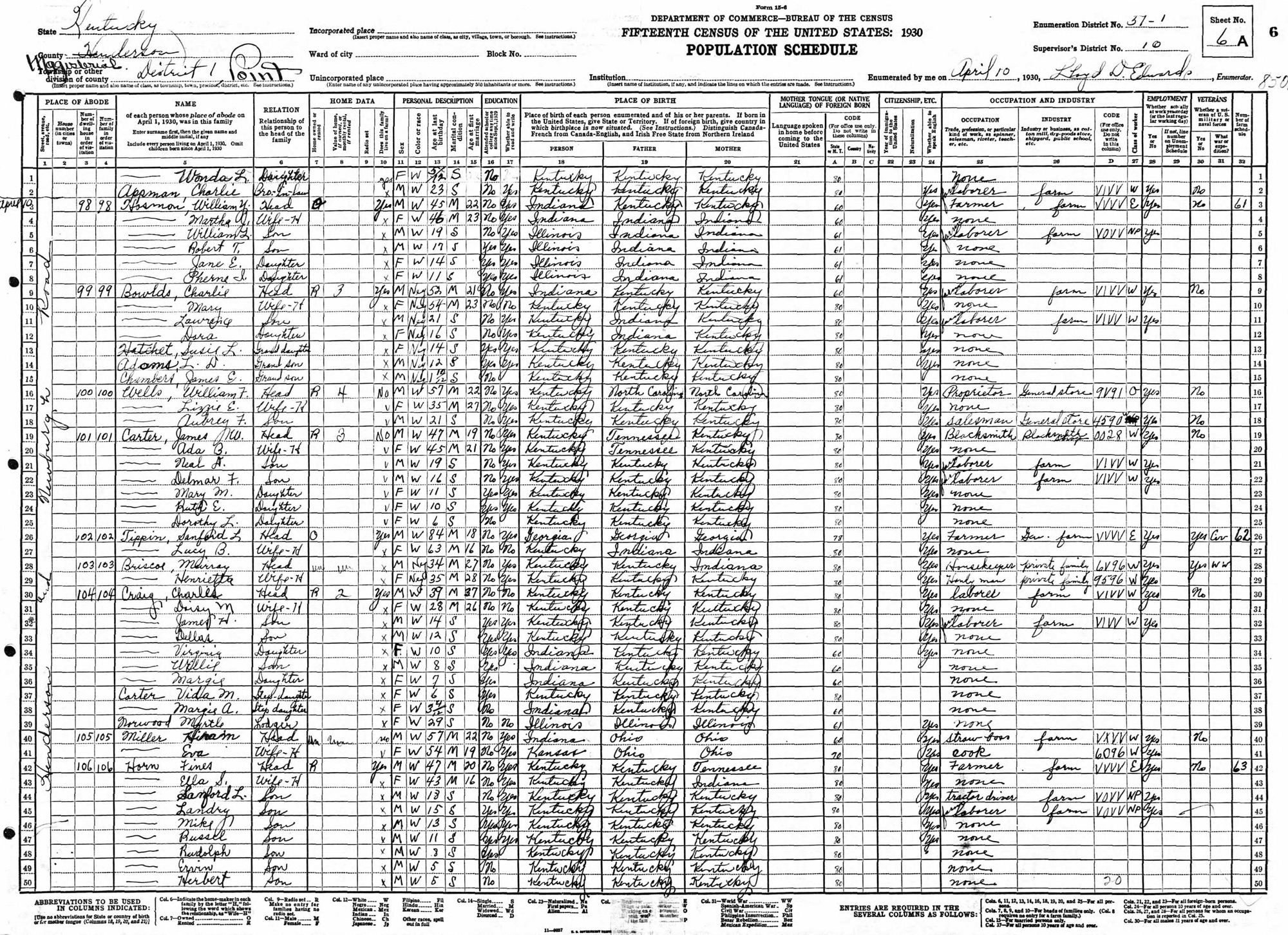
By the early 20th century, Wells was firmly established there-not as a transient laborer, but as a proprietor, running a general store. The 1930 U.S. Census captures him clearly: a 57-year-old married man, able to read and write, working “on his own account” in the general store trade. That simple line tells a larger story. He was independent, rooted, and part of the backbone of rural commerce.
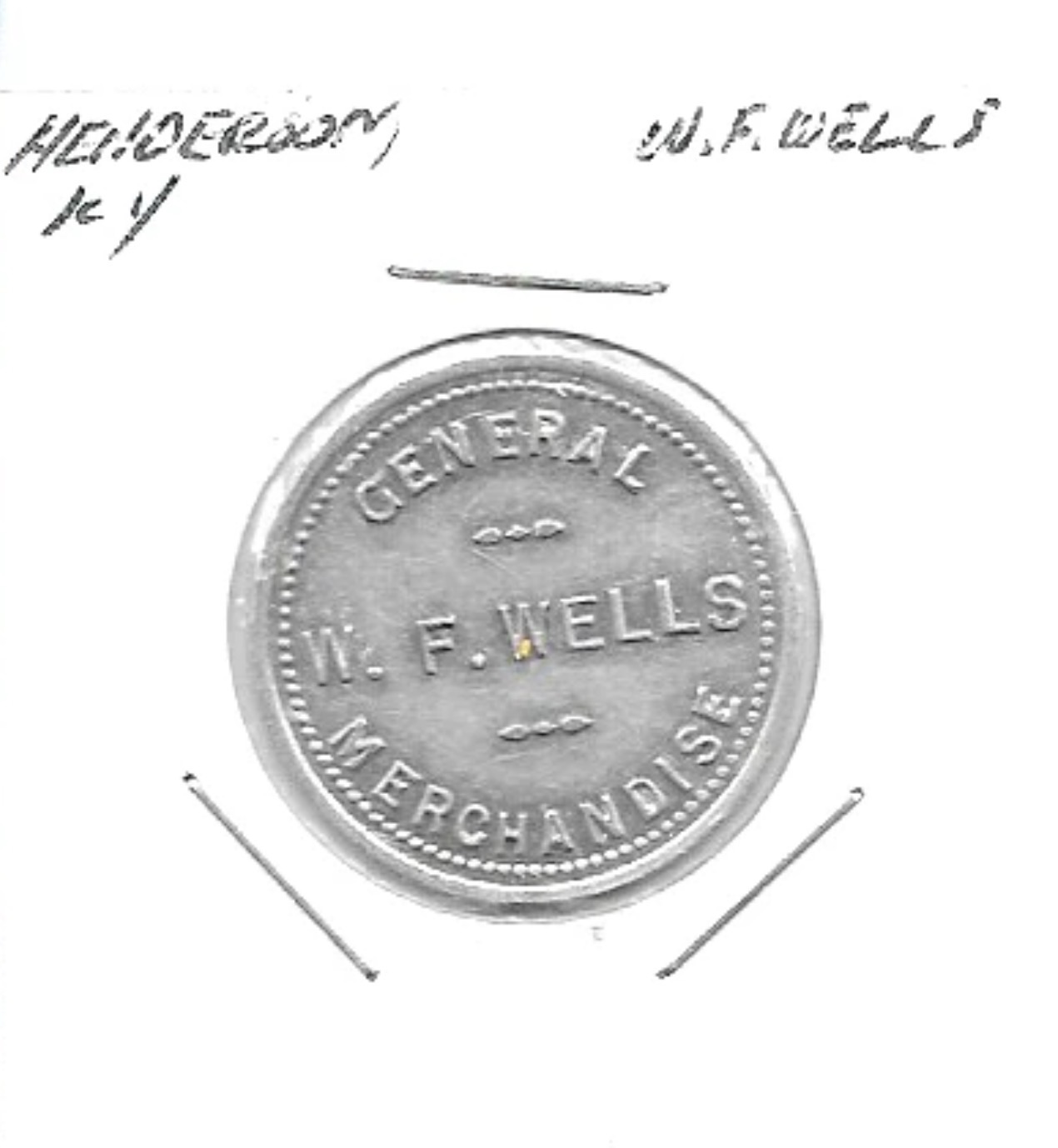
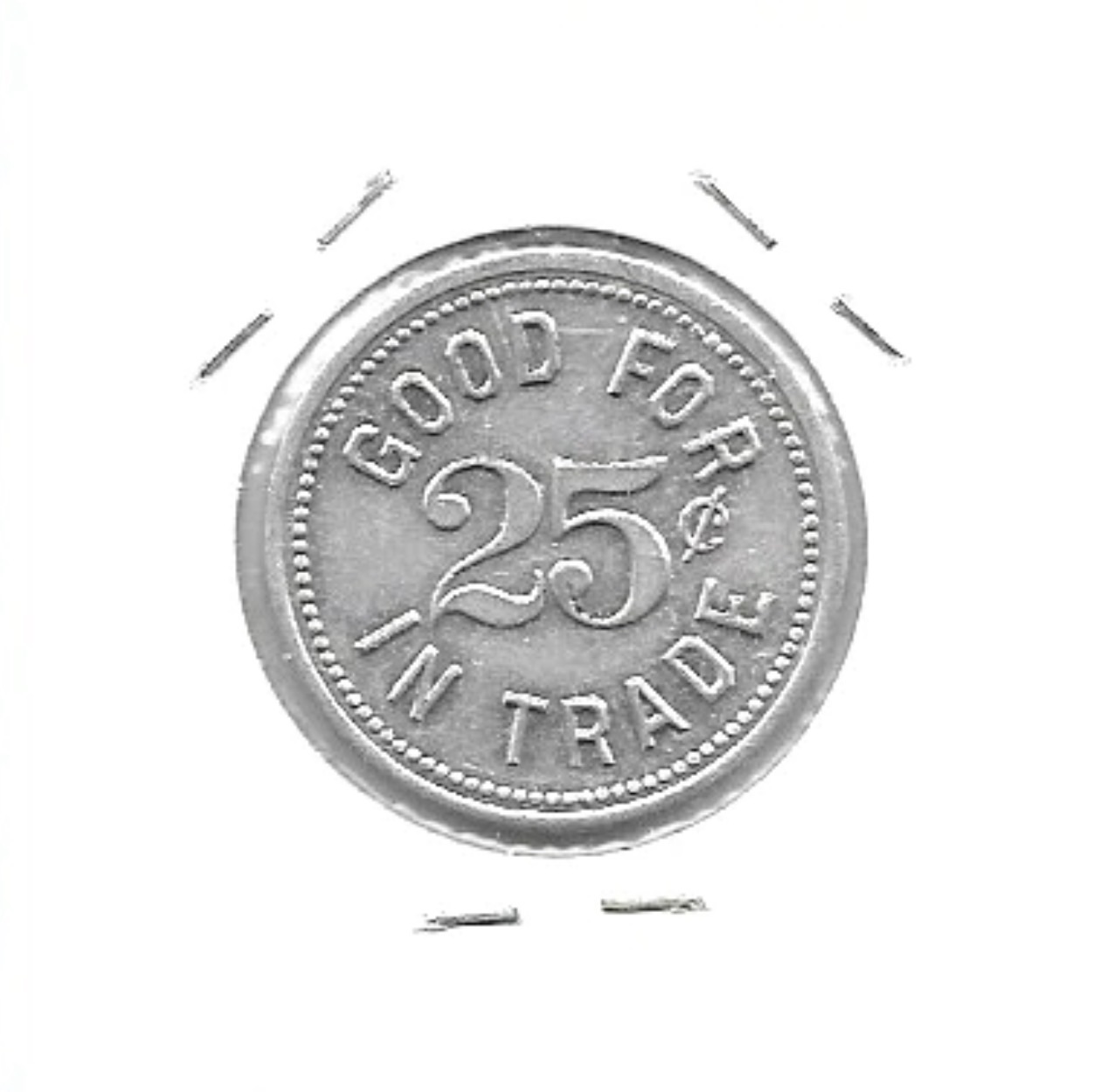
And like many merchants of his era, Wells left behind something tangible. A small metal token survives today, stamped:
“GENERAL – W. F. WELLS – MERCHANDISE”
“GOOD FOR 25¢ IN TRADE”
These tokens were more than currency-they were trust. In communities where cash could be scarce, storekeepers issued trade tokens as credit, loyalty incentives, or substitutes for small change. That Wells produced his own tokens suggests a store of steady business and local reliance.
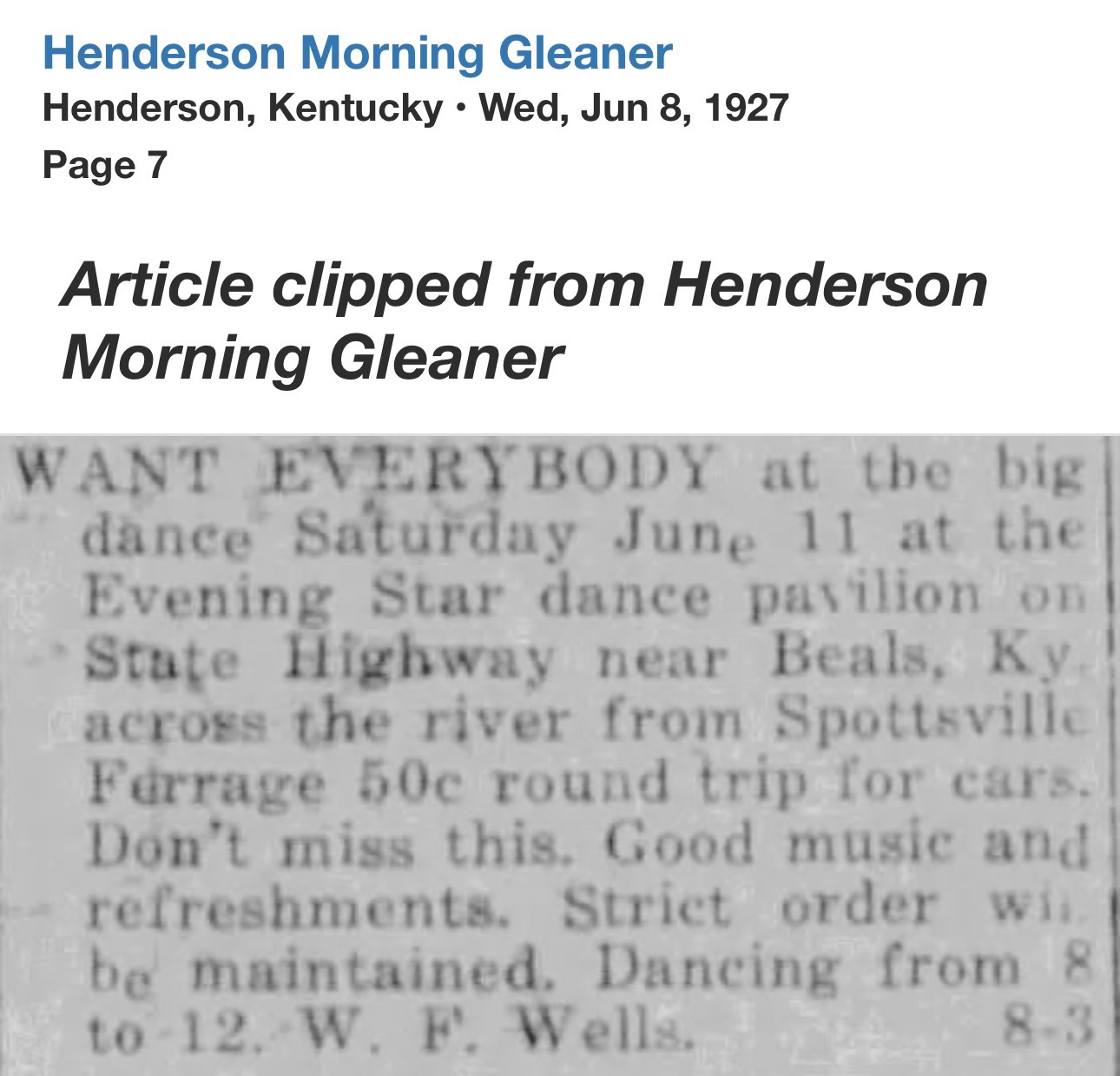
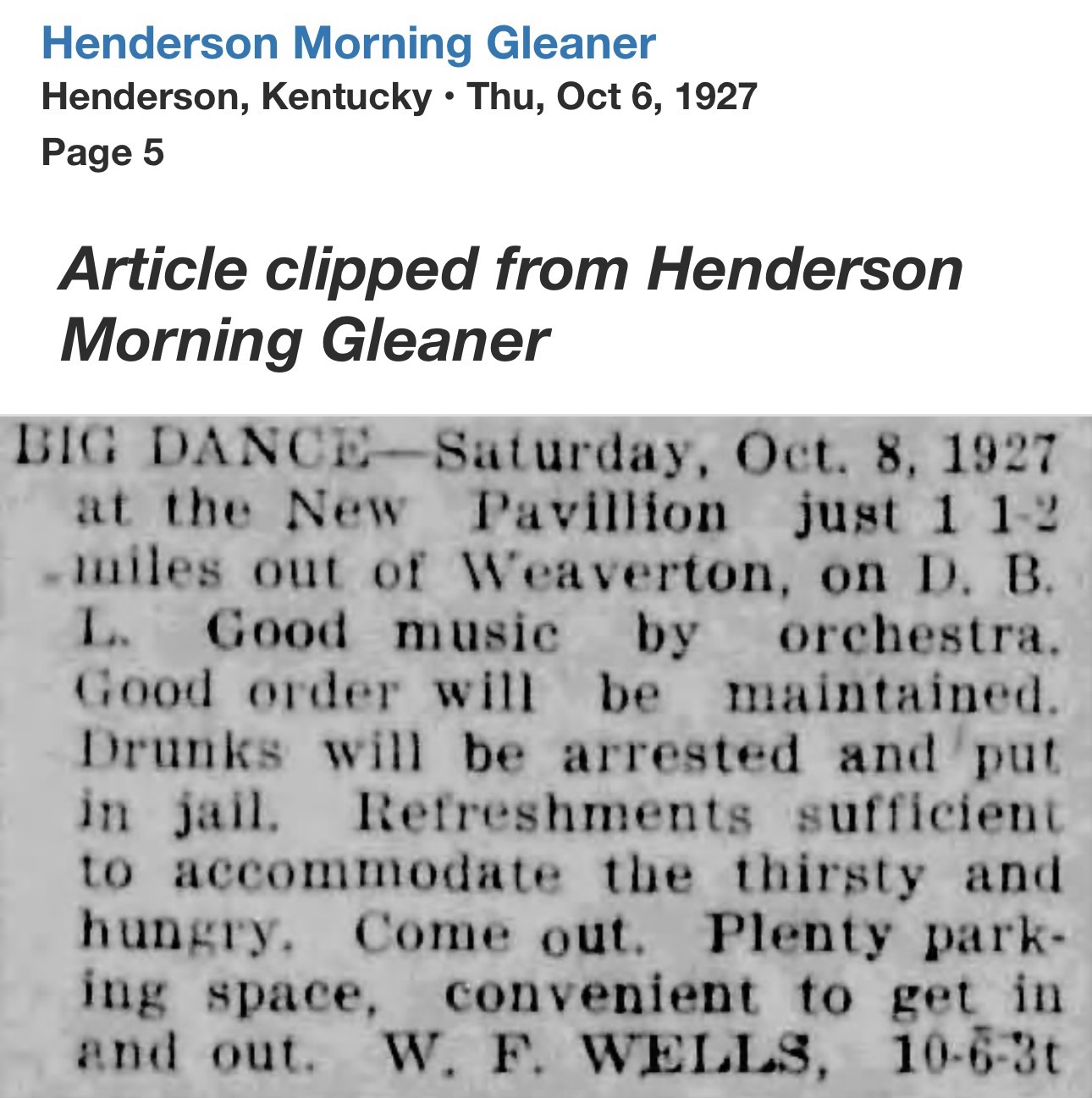
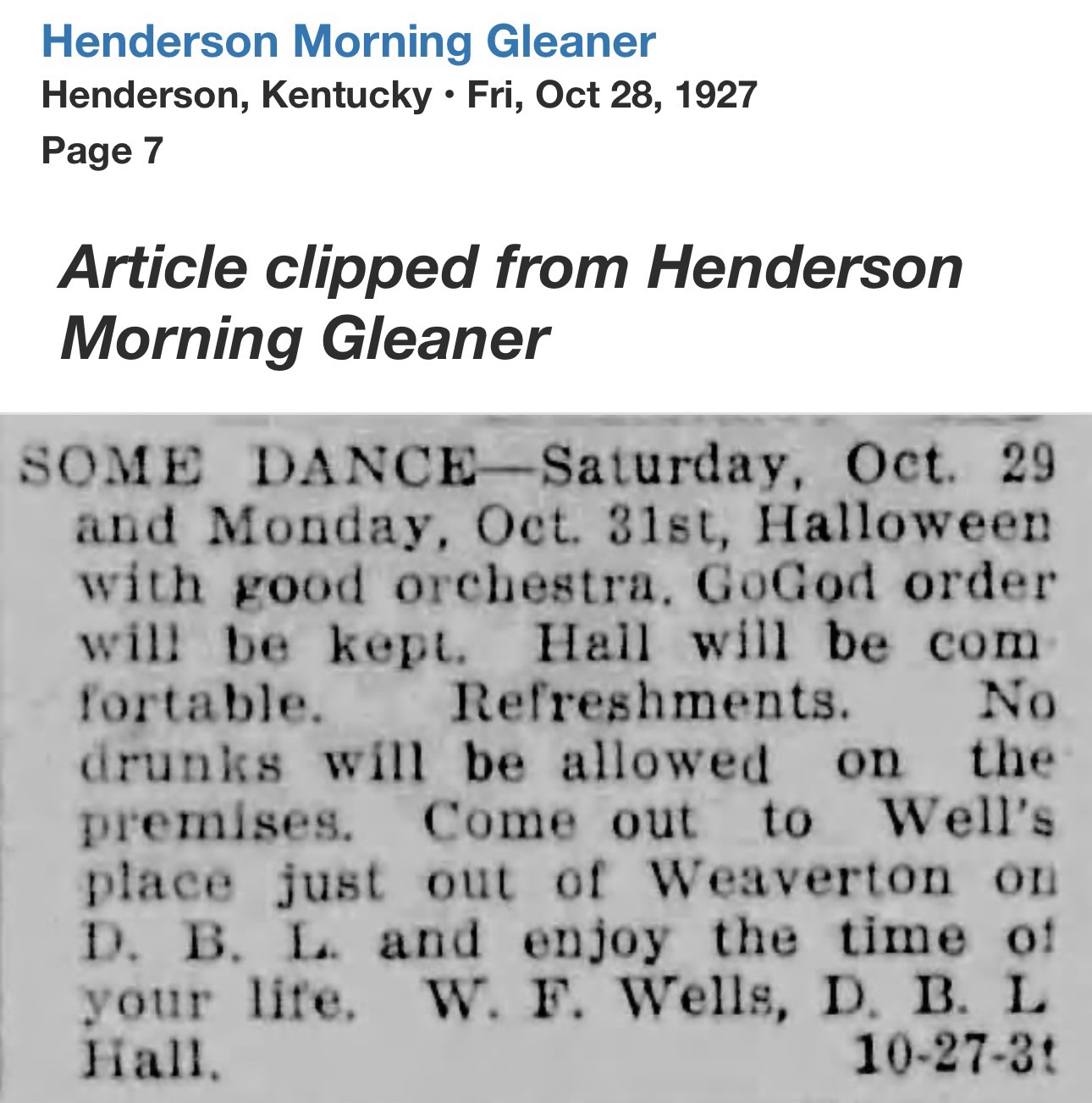
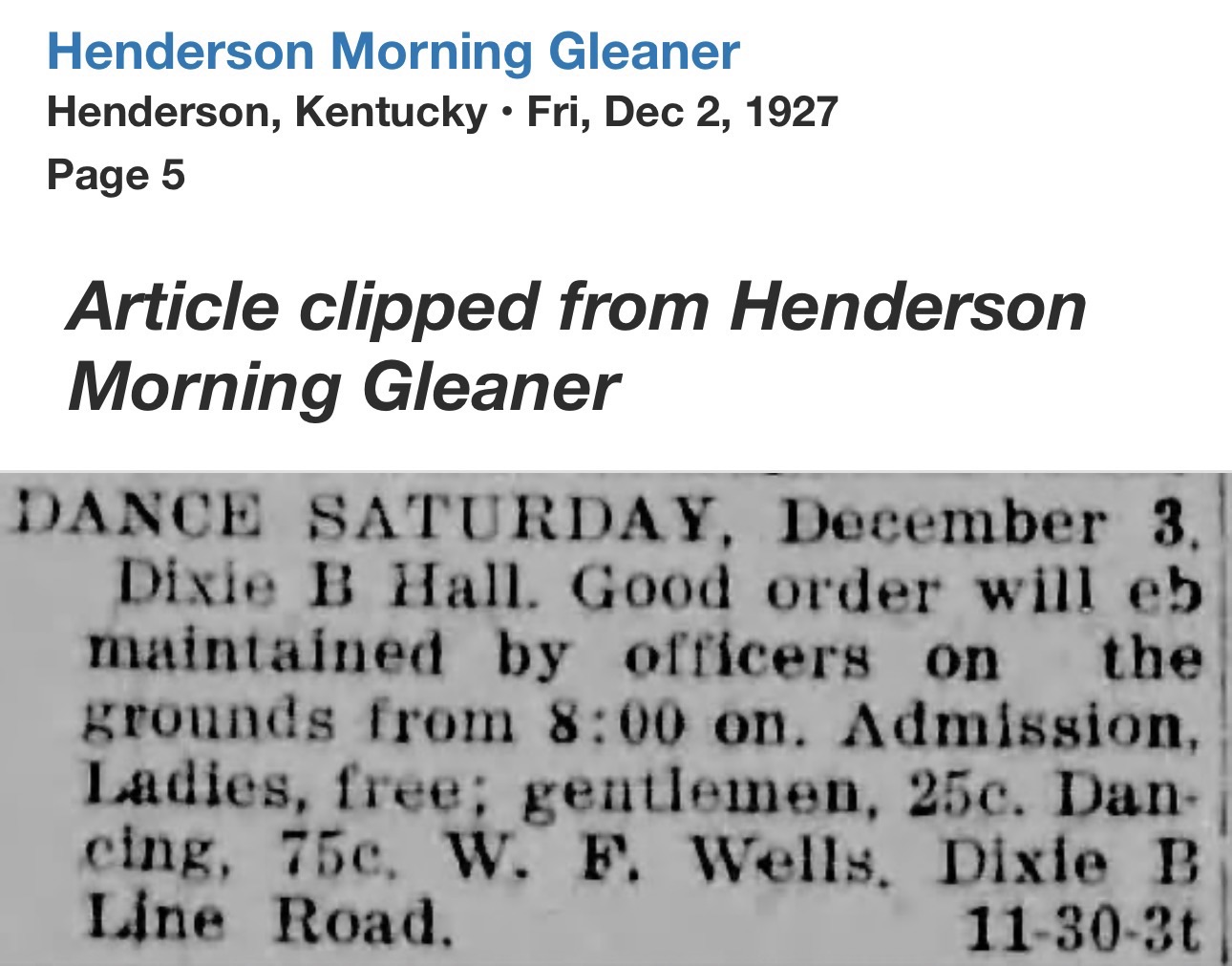
But Wells was more than just a shopkeeper. Newspaper records from the Henderson Morning Gleaner reveal a different side of his life in the 1920s. His name appears repeatedly, not in the business pages, but in advertisements for dances and gatherings just outside Weaverton and along the D. B. L. road.
“BIG DANCE… Good music… Drunks will be arrested…” “Dancing from 8 to 12… W. F. Wells.”
These notices paint a vivid picture. Wells wasn’t just selling goods, he was hosting events, organizing entertainment, and helping create the social life of the community. His hall, referred to in one ad as Dixie B Hall, became a place where people gathered for music, refreshment, and a break from daily labor.
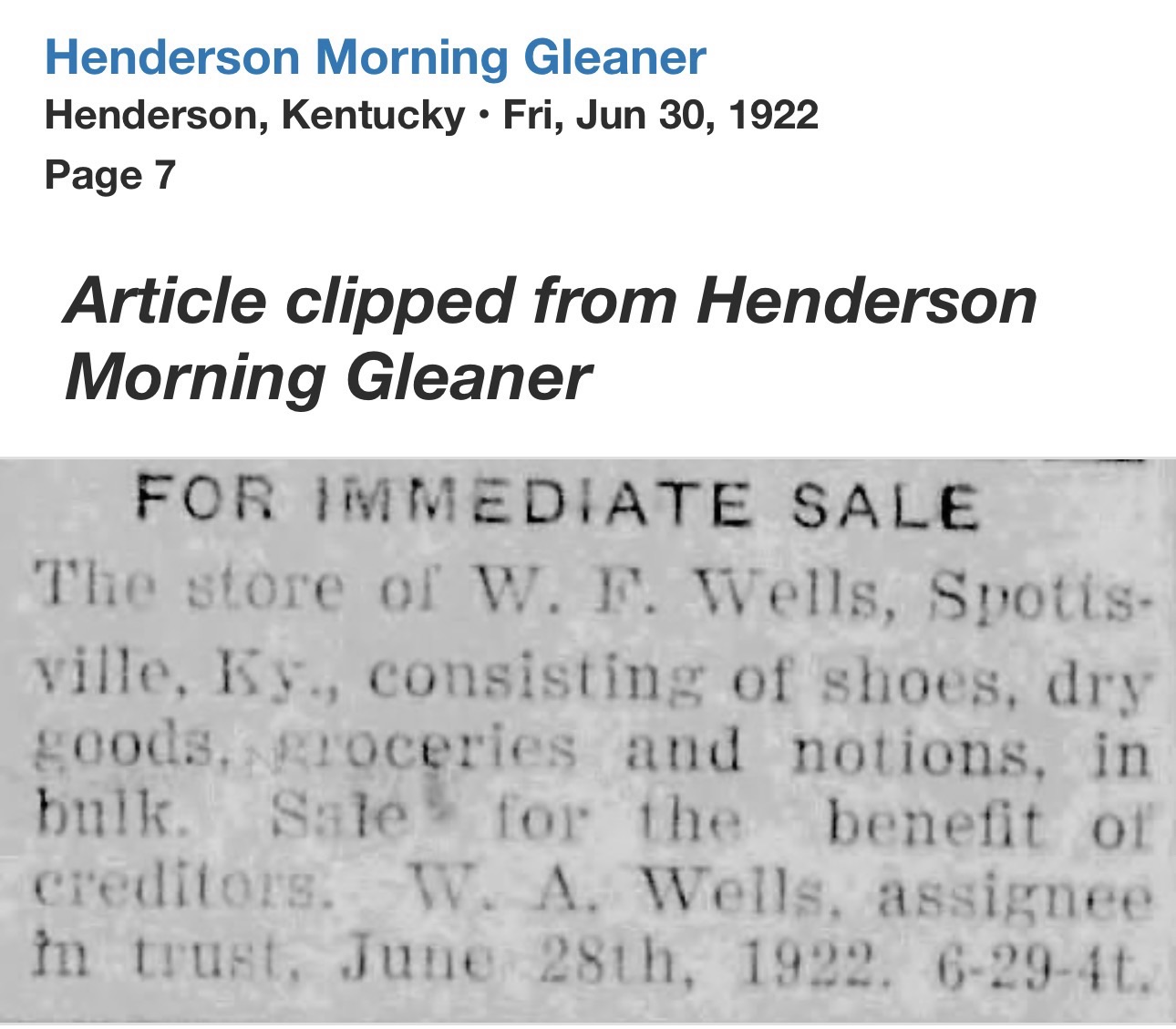
Even earlier, in 1922, records show his store being offered for sale “for the benefit of creditors,” suggesting that like many small-town businessmen, Wells faced the ups and downs of rural economics. Yet by 1927, he was still active, still advertising, still hosting, still present. That resilience is part of his story.
Wells lived in a time when Spottsville itself was shifting-from coal camp activity in the early 1900s to a quieter agricultural and residential community. Through those changes, his roles-as merchant, organizer, and community figure-placed him squarely in the center of local life.
He may not have left behind a large company or a grand building bearing his name. Instead, he left something more typical and in many ways more meaningful for Henderson County.
A store that served its neighbors. A token that passed through local hands. And a name that appeared, again and again, wherever people gathered. In communities like Spottsville, that was enough to be remembered.