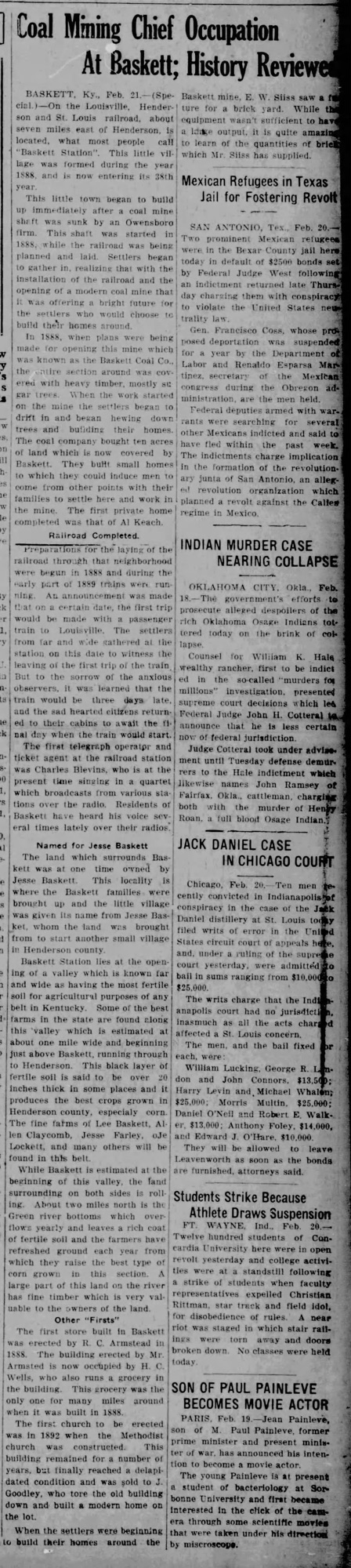
Coal Mining Chief Occupation At Baskett; History Reviewed
Henderson Morning Gleaner • Sun, Feb 21, 1926
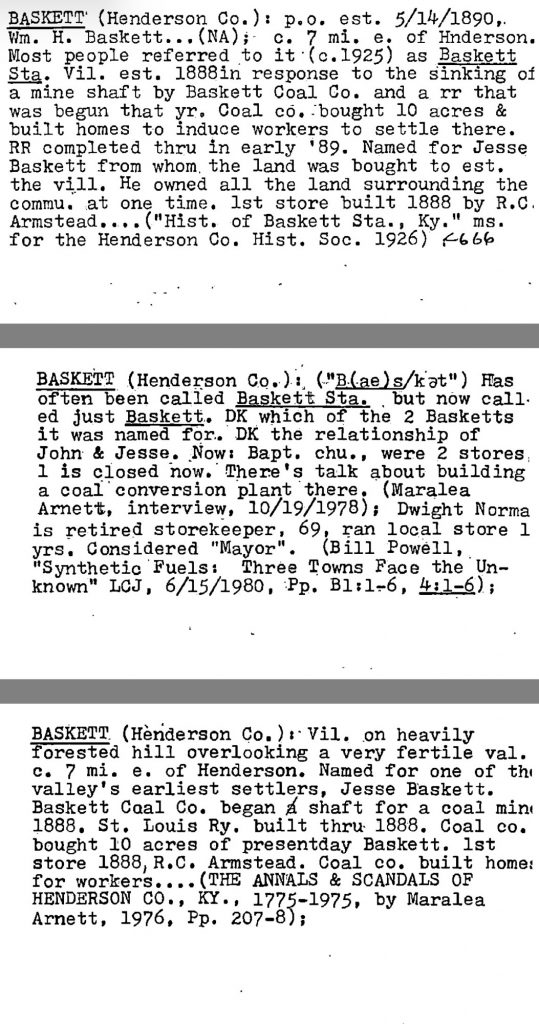
BASKETT, Ky., Feb. 21 (Special.) On the Louisville, Henderson and St. Louis railroad, about seven miles east of Henderson, is located, what most people call “Baskett Station”. This little village was formed during the year 1888, and is now entering its 38th year.
This little town began to build up immediately after a coal mine shaft was sunk by an Owensboro firm. This shaft was started in 1888, while the railroad was being planned and laid. Settlers began to gather in, realizing that with the installation of the railroad and the opening of a modern coal mine it was offering a bright future for the settlers who would choose to build their homes around.
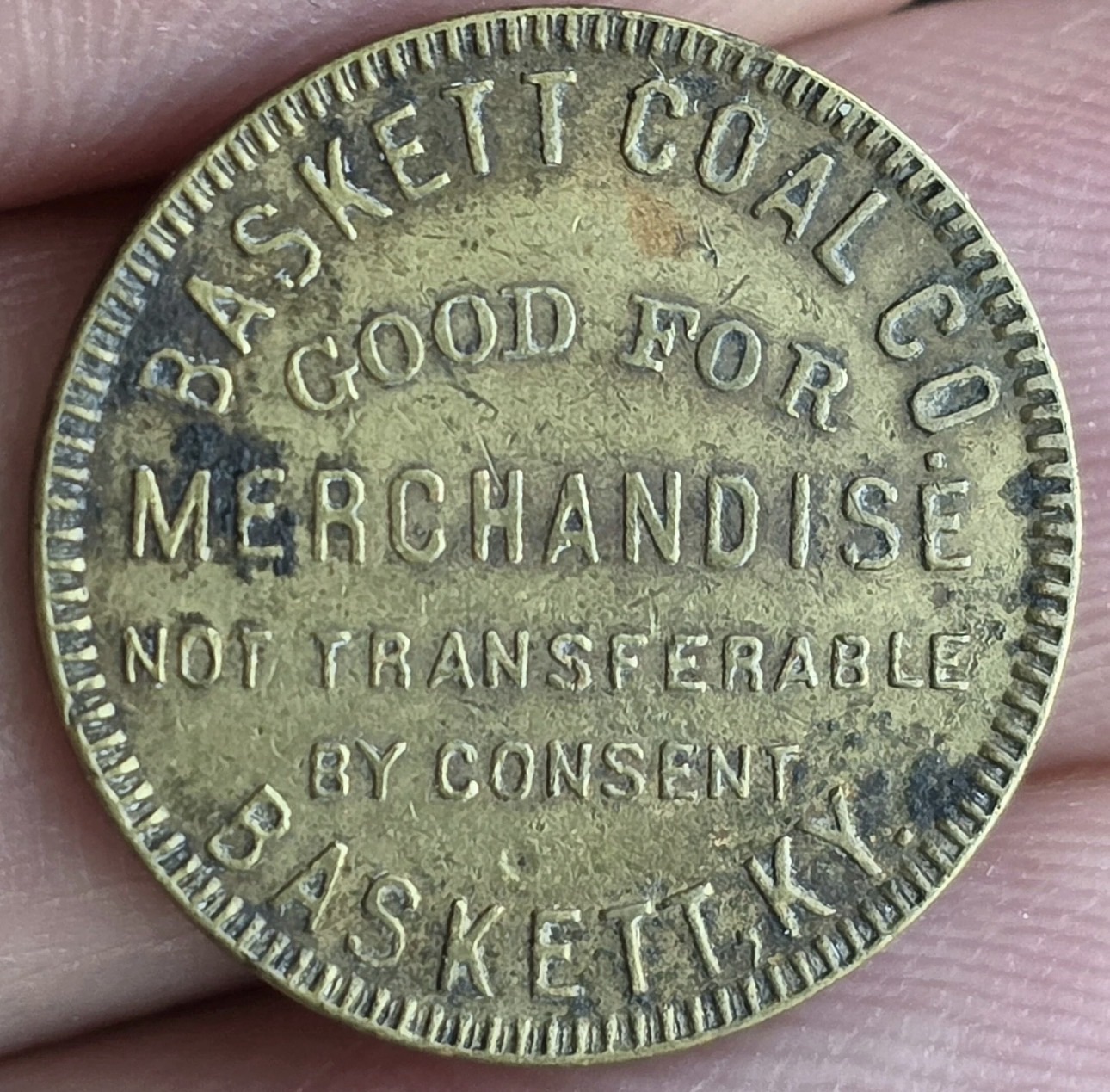
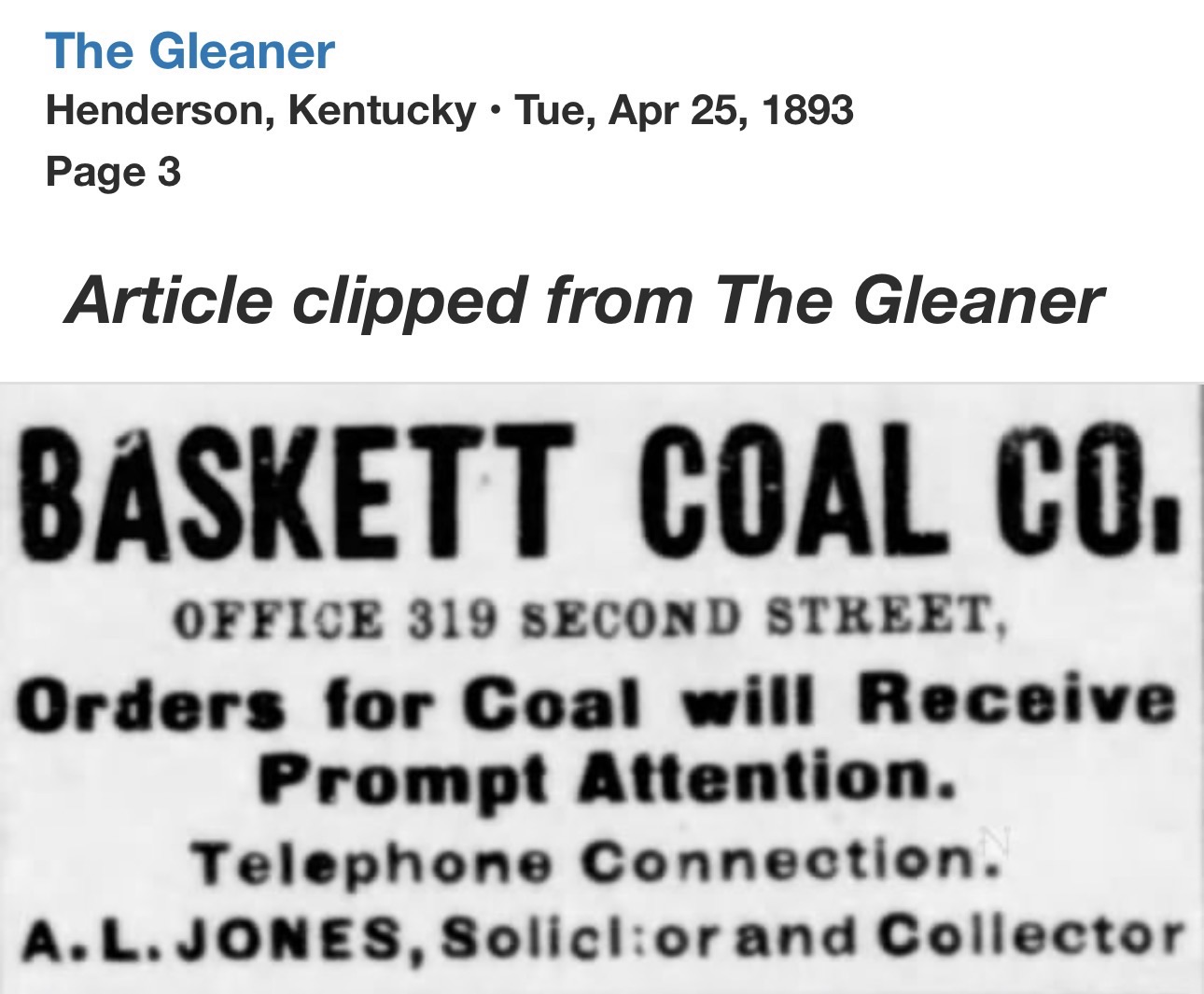
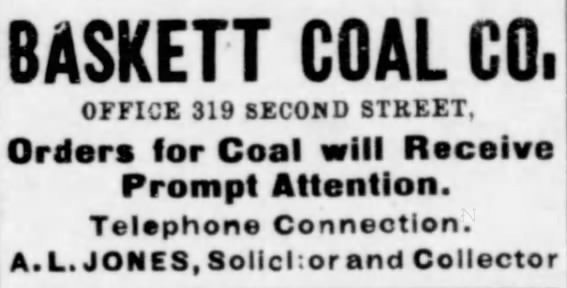
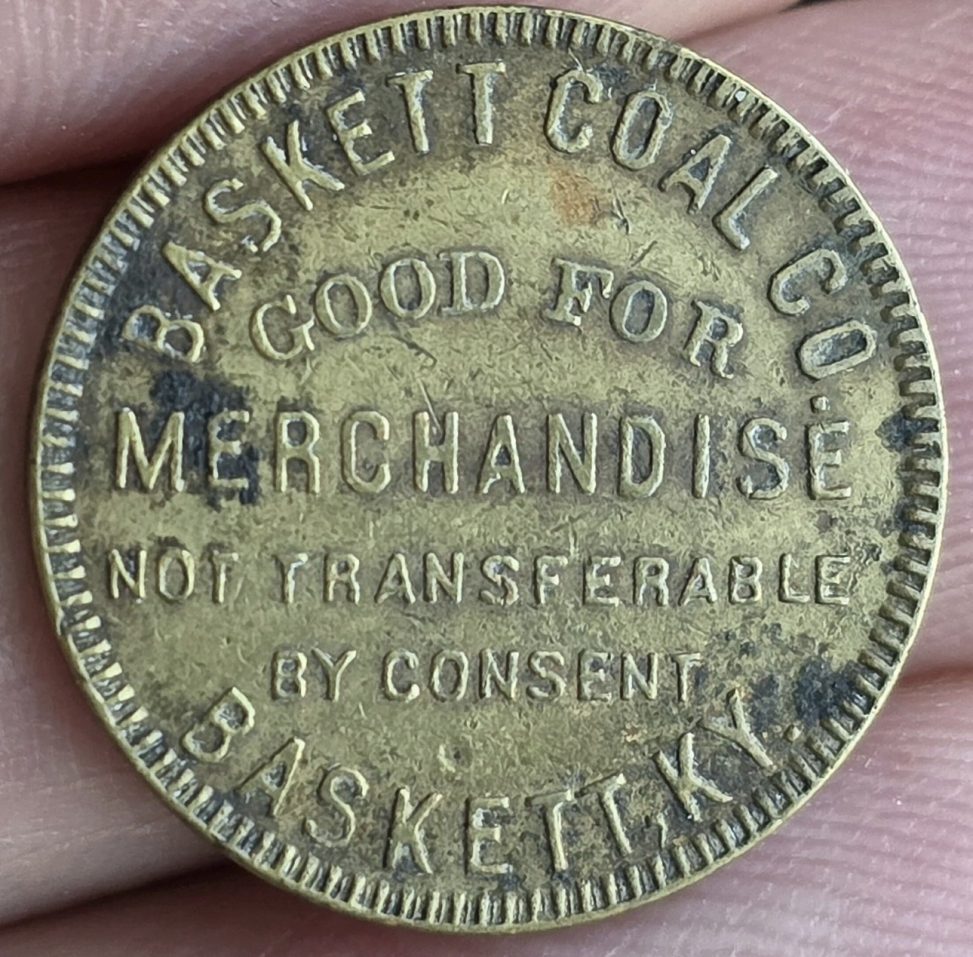
In 1888, when plans were being made for opening this mine which was known as the Baskett Coal Co., the entire section around was covered with heavy timber, mostly sugar trees. When the work started on the mine settlers began to drift in and began hewing down trees and building their homes. The coal company bought ten acres of land which is now covered by Baskett. They built small homes to which they could induce men to come from other points with their families to settle here and work in the mine. The first private home completed was that of Al Keach.
Railroad Completed.
Preparations for the laying of the railroad through that neighborhood were begun in 1888 and during the early part of 1889 trains were run. An announcement was made that on a certain date, the first trip would be made with a passenger train to Louisville. The settlers from far and wide gathered at the station on this date to witness the leaving of the first trip of the train. But to the sorrow of the anxious observers, it was learned that the train would be three days late, and the sad hearted citizens returned to their cabins to await the final day when the train would start.
The first telegraph operator and ticket agent at the railroad station was Charles Blevins, who is at the present time singing in a quartet which broadcasts from various stations over the radio. Residents of Baskett have heard his voice several times lately over their radios.
Named for Jesse Baskett.
The land which surrounds Baskett was at one time owned by Jesse Baskett. This locality is where the Baskett families were brought up and the little village was given its name from Jesse Baskett, whom the land was brought from to start another small village in Henderson county.
Baskett Station lies at the opening of a valley which is known far and wide as having the most fertile soil for agricultural purposes of any belt in Kentucky. Some of the best farms in the state are found along this valley which is estimated at about one mile wide and beginning just above Baskett, running through to Henderson. This black layer of fertile soil is said to be over 20 inches thick in some places and it produces the best crops grown in Henderson county, especially corn. The fine farms of Lee Baskett, Al Keach, the Claycomb, Jesse Fraley, Ole Lockett, and many others will be found in this belt.
While Baskett is estimated at the beginning of this valley, the land surrounding on both sides is rolling. About two miles north is the Green river bottoms which overflows yearly and leaves a rich coat of fertile soil and the farmers have refreshed ground each year from which they raise the best type of corn grown in this section. A large part of this land on the river has fine timber which is very valuable to the owners of the land.
Other “Firsts”
The first store built in Baskett was erected by R. C. Armstead in 1888. The building erected by Mr. Armstead is now occupied by H. C. Wells, who also runs a grocery in the building. This grocery was the only one for many miles around when it was built in 1888.
The first church to be erected was in 1892 when the Methodist church was constructed. This building remained for a number of years, but finally reached a dilapidated condition and was sold to J. Goodley, who tore the old building down and built a modern home on the lot.
When the settlers were beginning to build their homes around the Baskett mine, E. W. Siiss saw a future for a brick yard. While the equipment wasn’t sufficient to have a large output, it is quite amazing to learn of the quantities of brick which Mr. Siiss has supplied.