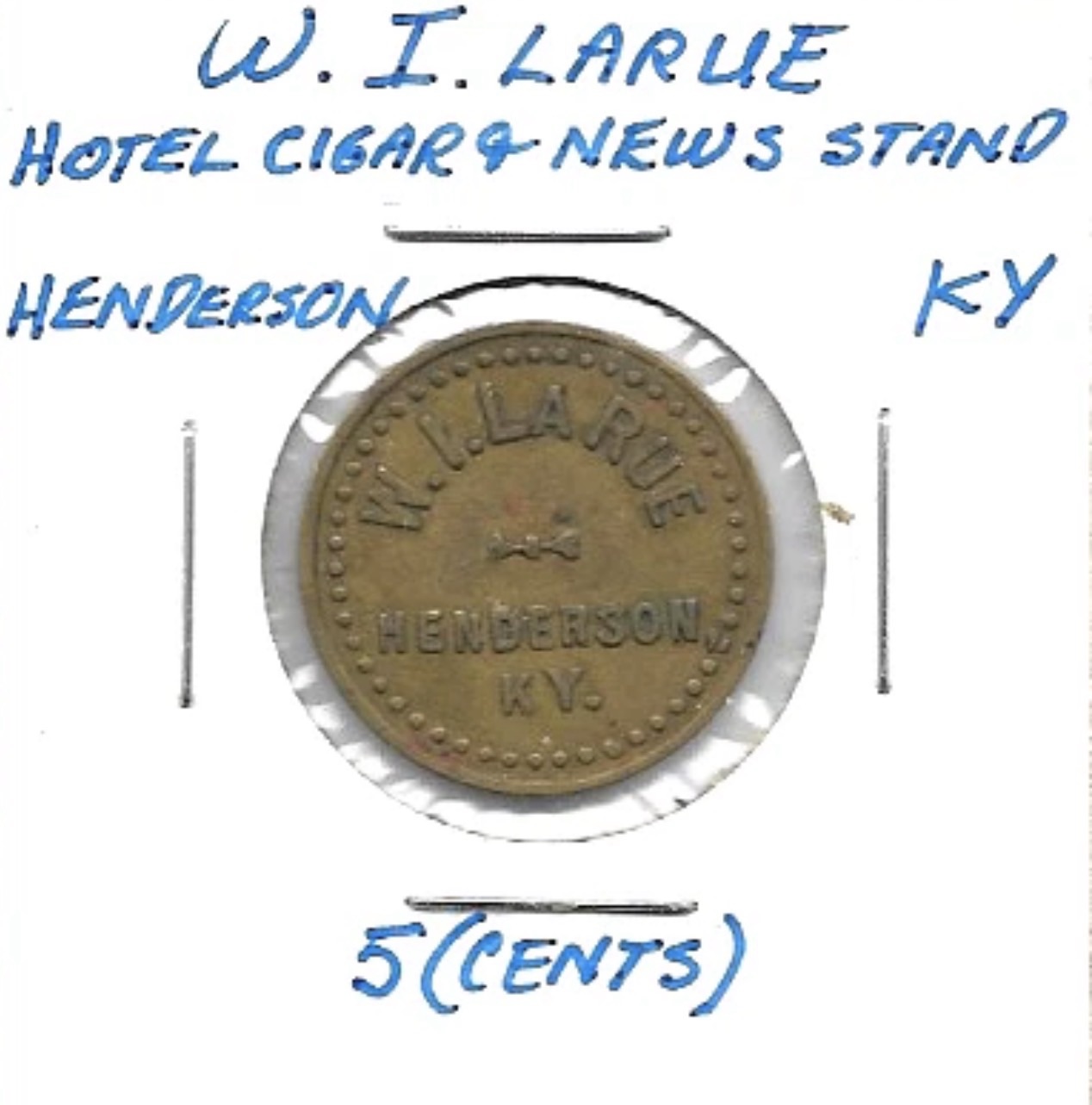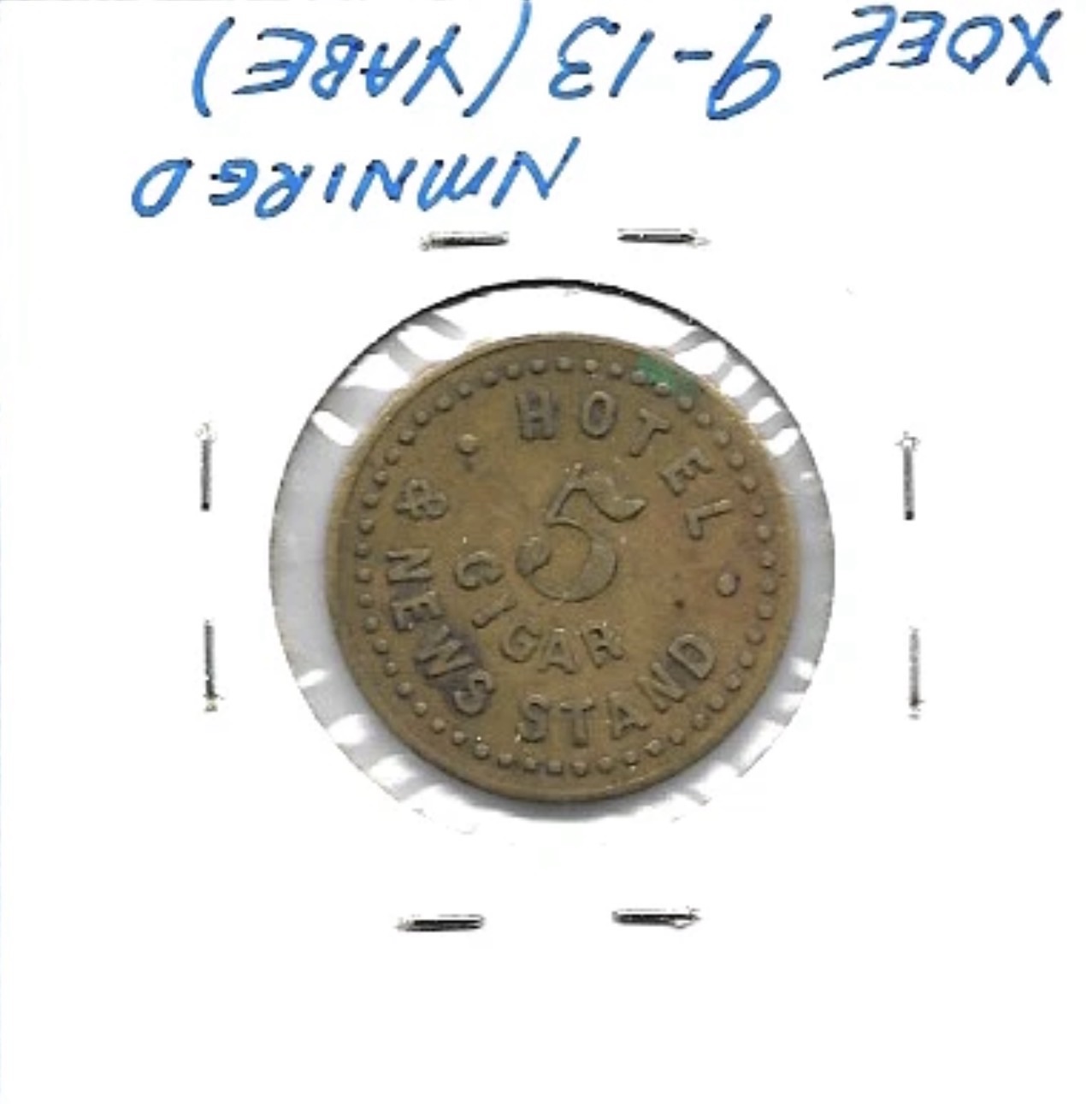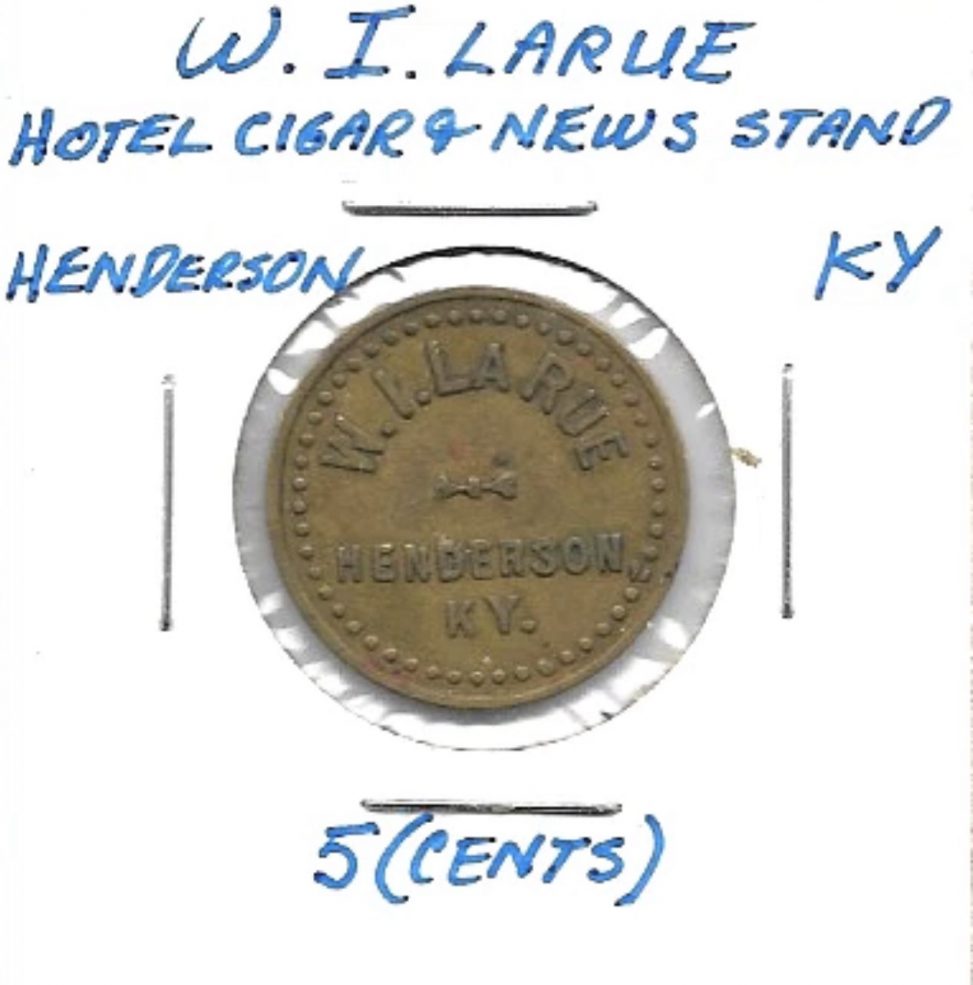
At first glance, it’s just a small brass token-stamped “W. I. LaRue – Henderson, Ky.” and valued at five cents. But this simple piece of metal opens a window into the life of one of Henderson’s early 20th-century businessmen: W. Irving LaRue.
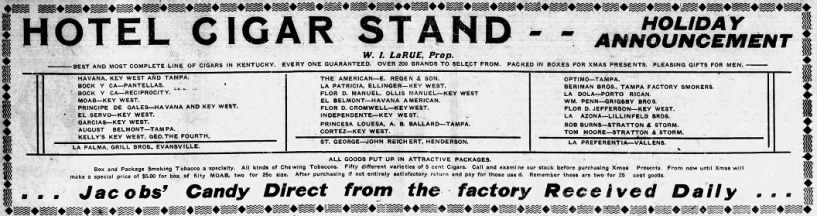
LaRue operated a Hotel Cigar & News Stand, a common but essential feature of hotel life in that era. These stands were more than retail counters, they were gathering places where men lingered over cigars, caught up on the latest newspapers, and exchanged news of the day. Tokens like this one functioned as store credit, keeping customers returning and tying everyday transactions directly to local businesses.
But LaRue’s story extends far beyond the token.
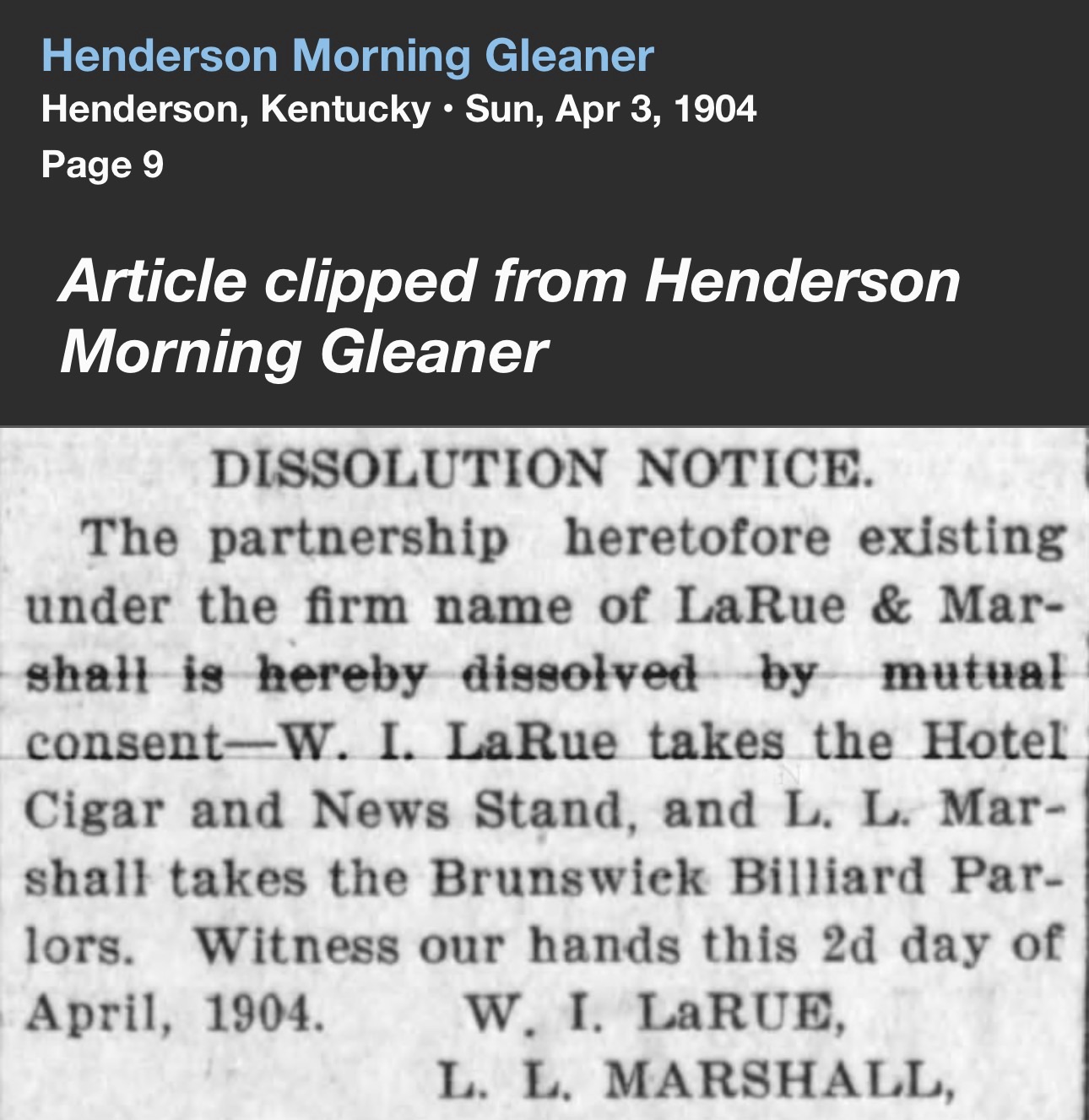
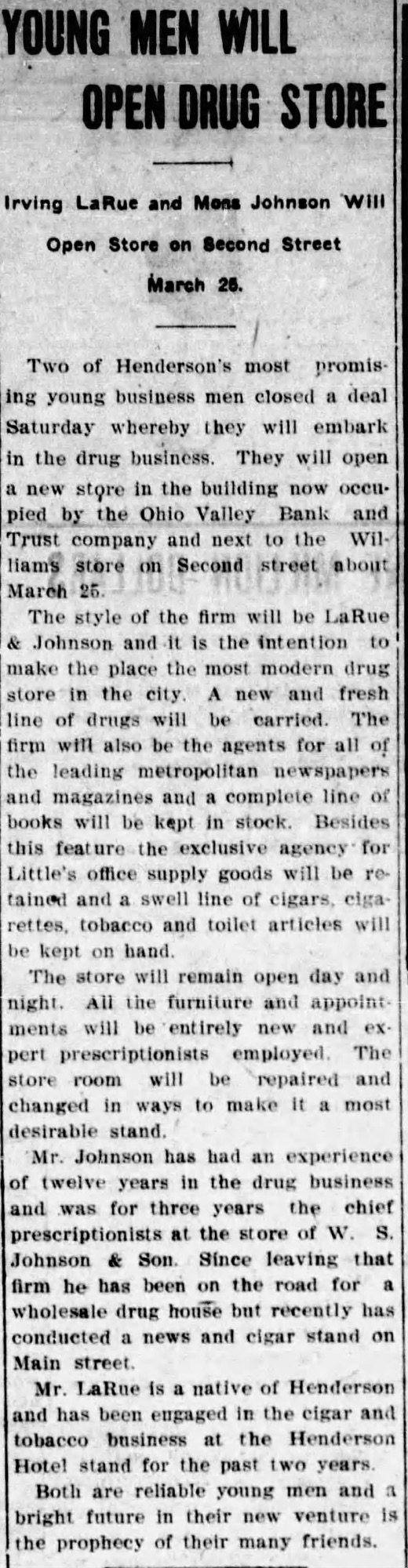
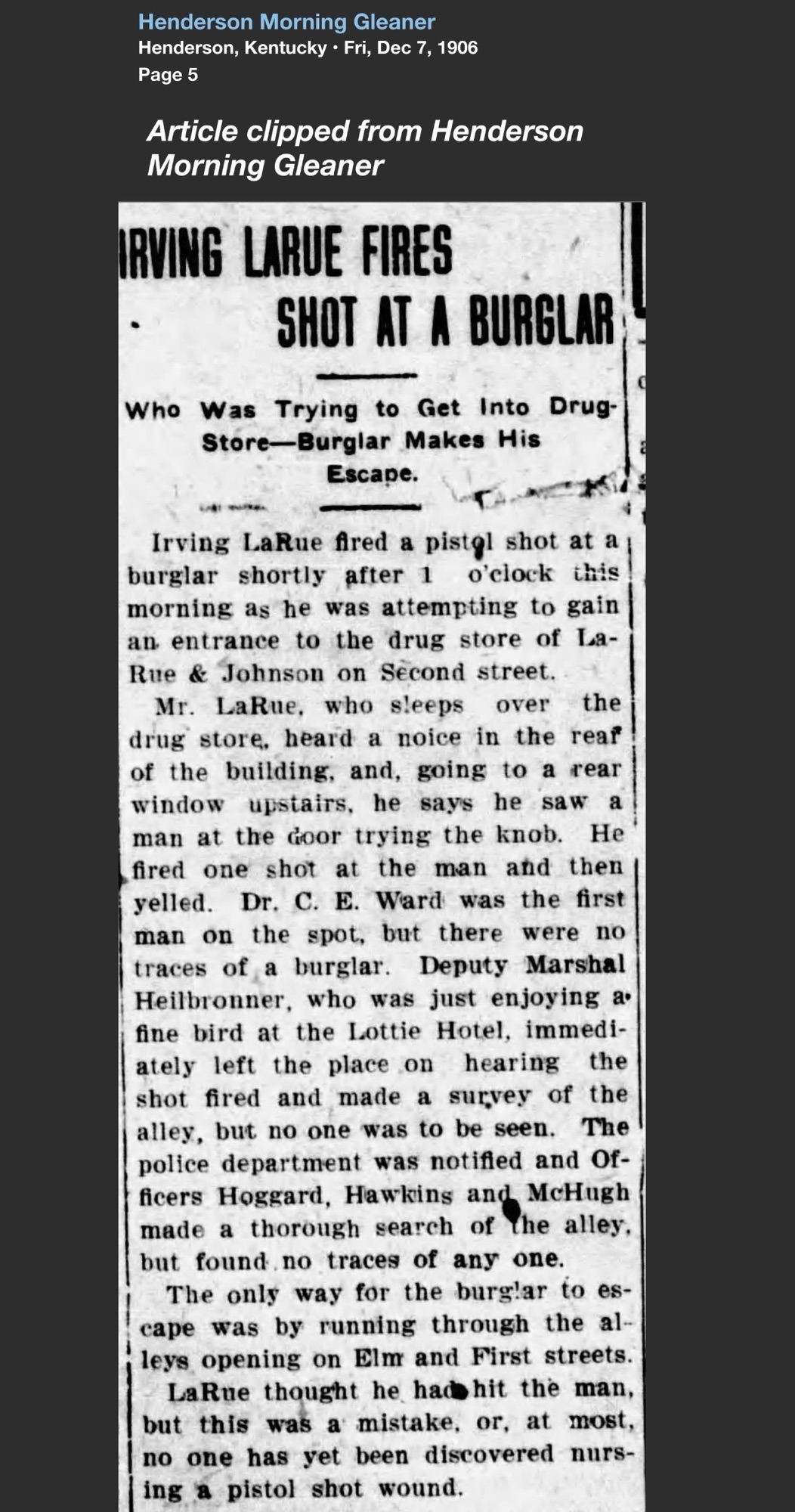
By 1904, records show him taking full control of the cigar and news stand after the dissolution of a partnership with L. L. Marshall. Around the same time, he was already building a reputation as a young and ambitious businessman in Henderson. In 1905, newspapers noted that Irving LaRue and Moss Johnson were preparing to open a new drug store on Second Street, an indication that LaRue was branching into multiple ventures.
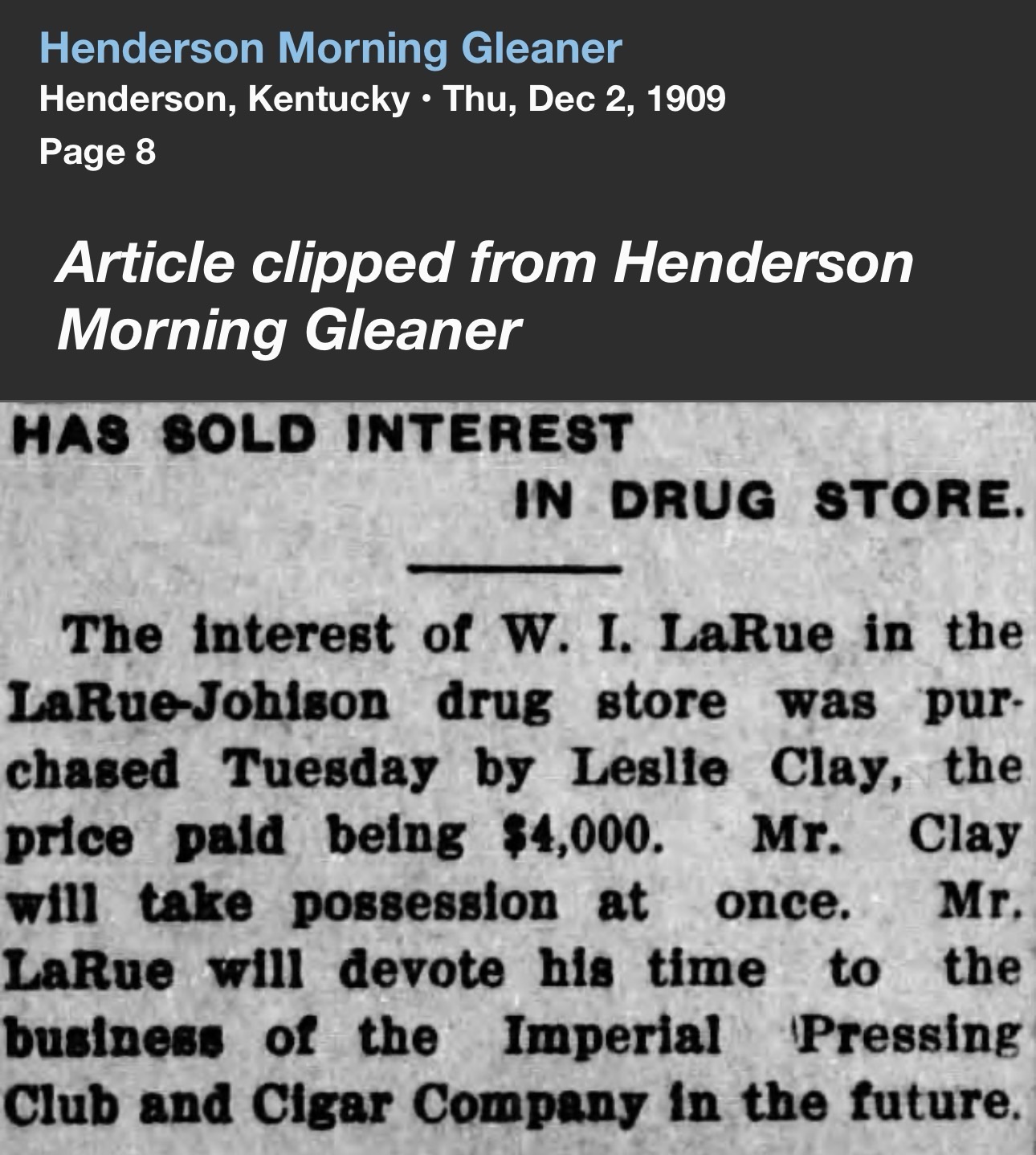
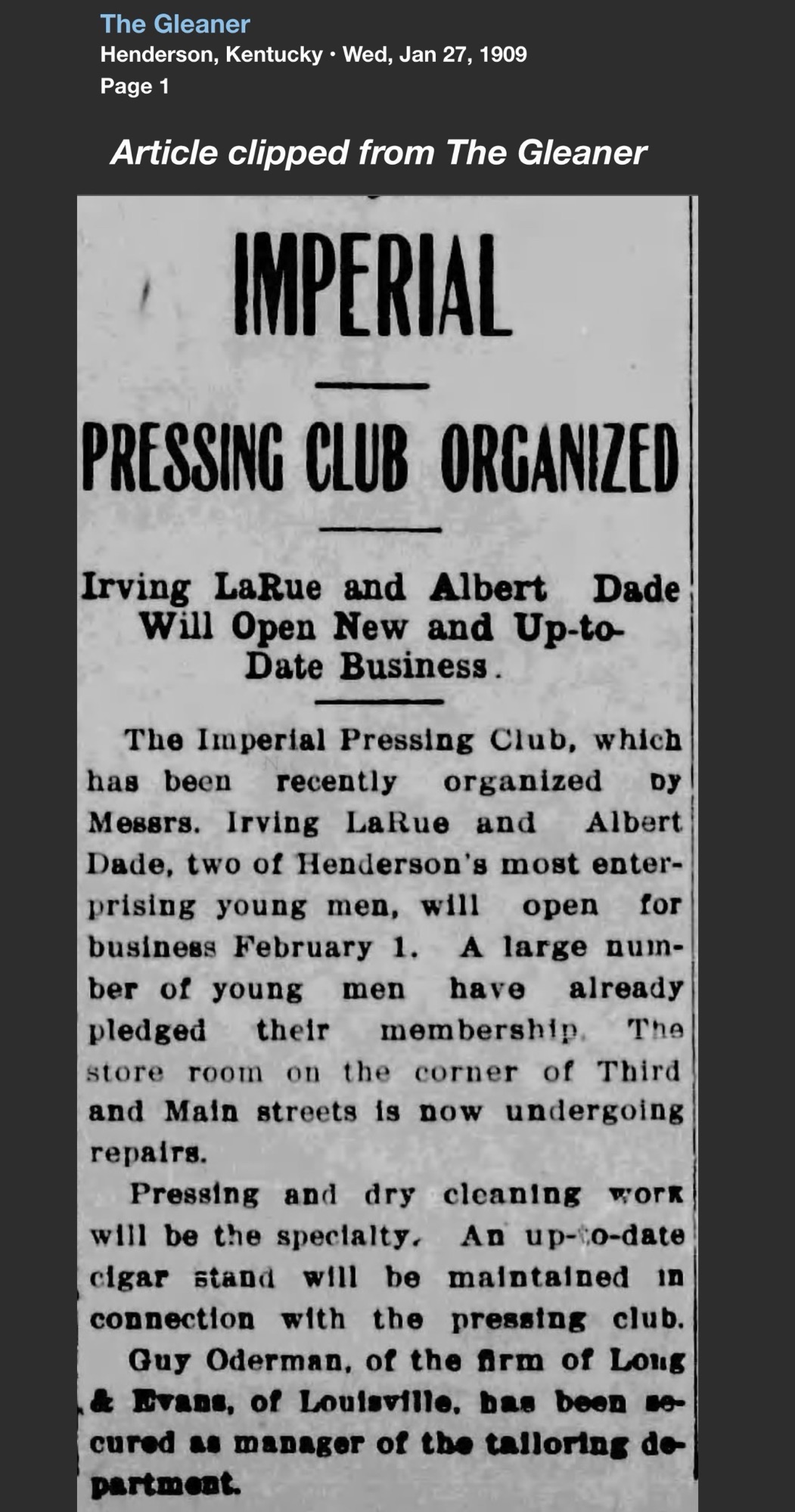
His entrepreneurial spirit didn’t stop there. In 1909, LaRue was again in the news as a co-founder of the Imperial Pressing Club, a dry-cleaning and pressing business located at Third and Main Streets. The operation even included a cigar stand-suggesting that LaRue continued to see value in that line of trade. The article described him as one of Henderson’s “most enterprising young men,” a reputation he appeared to earn through constant activity and investment in the city’s commercial life.
At times, his name appeared in more dramatic circumstances. In 1906, LaRue reportedly fired a pistol at a suspected burglar attempting to enter the LaRue & Johnson drug store. The would-be intruder escaped, but the incident offers a glimpse into the realities of doing business in a growing river town at the turn of the century, where proprietors often lived above or near their stores and personally responded to threats.
Beyond business, LaRue was also deeply involved in the social fabric of Henderson.
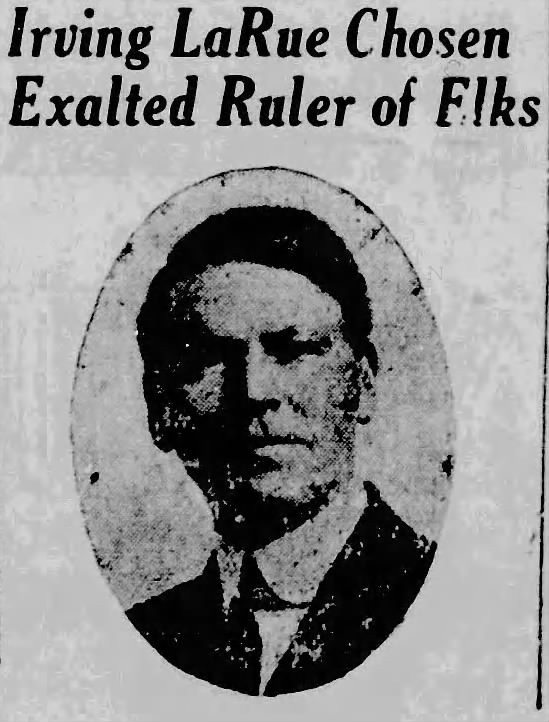
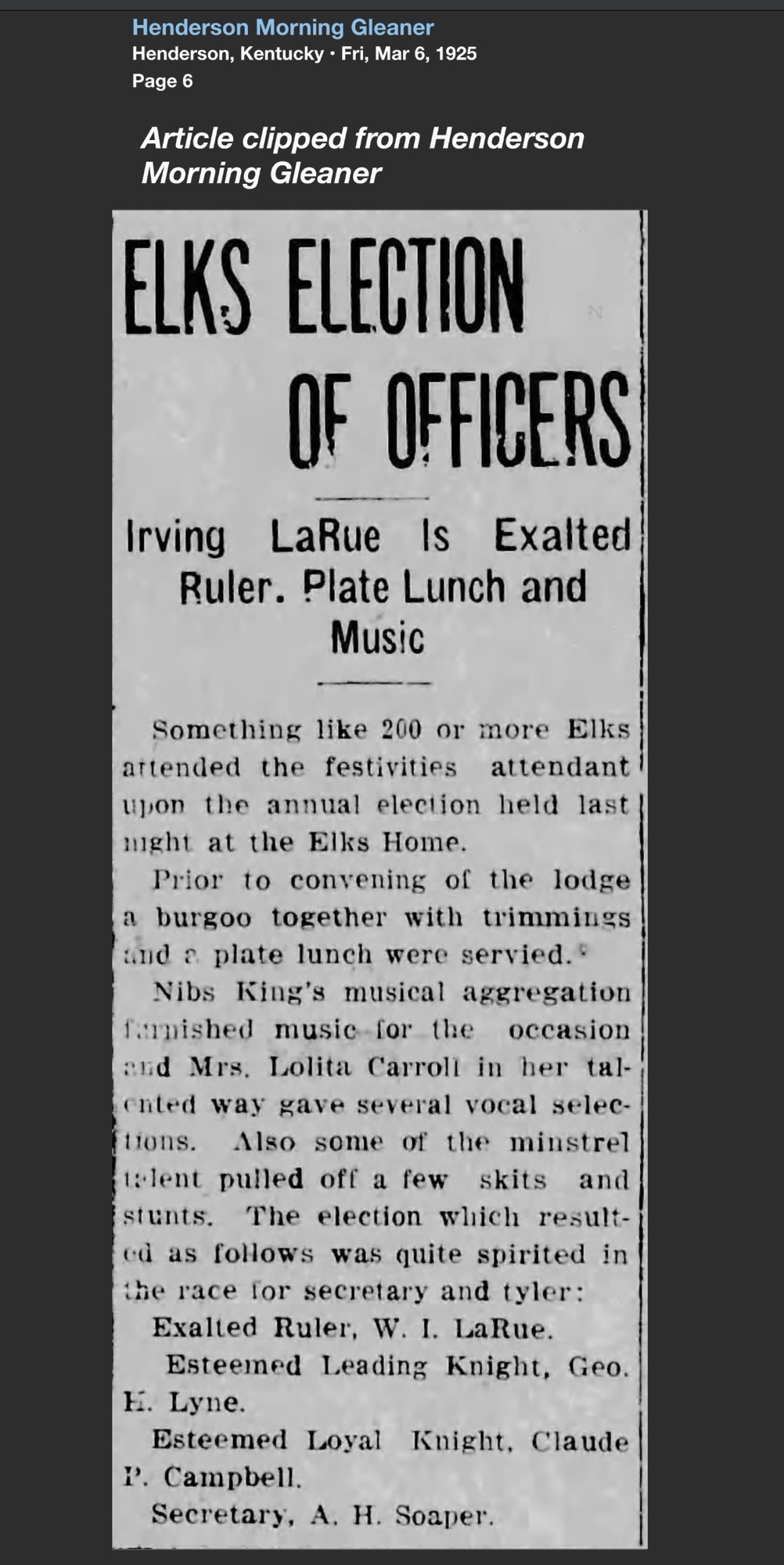
In 1925, he was elected Exalted Ruler of the Elks Lodge, one of the city’s most prominent civic organizations. The event drew a large crowd, complete with music, food, and celebration, evidence of both the lodge’s importance and LaRue’s standing within the community.
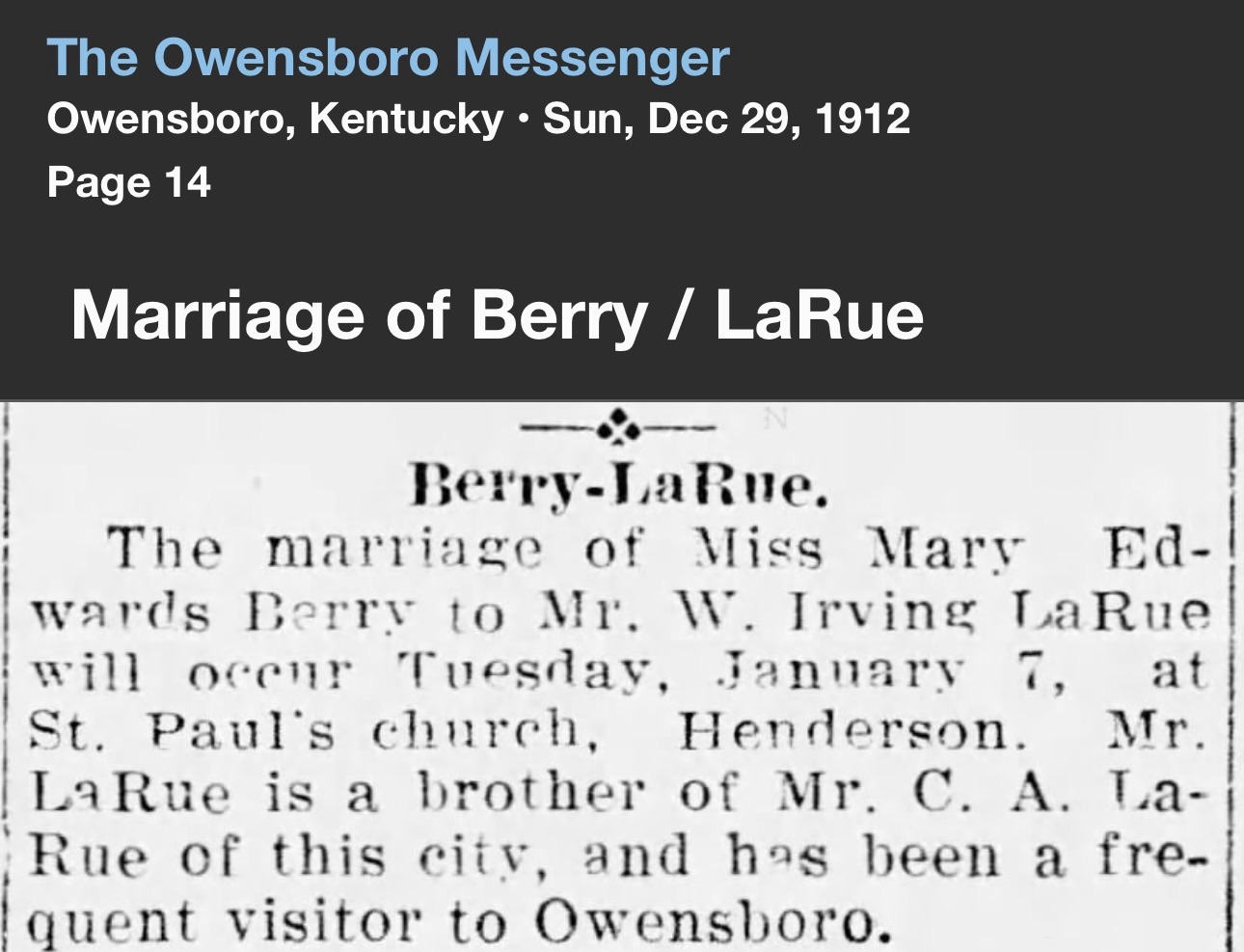
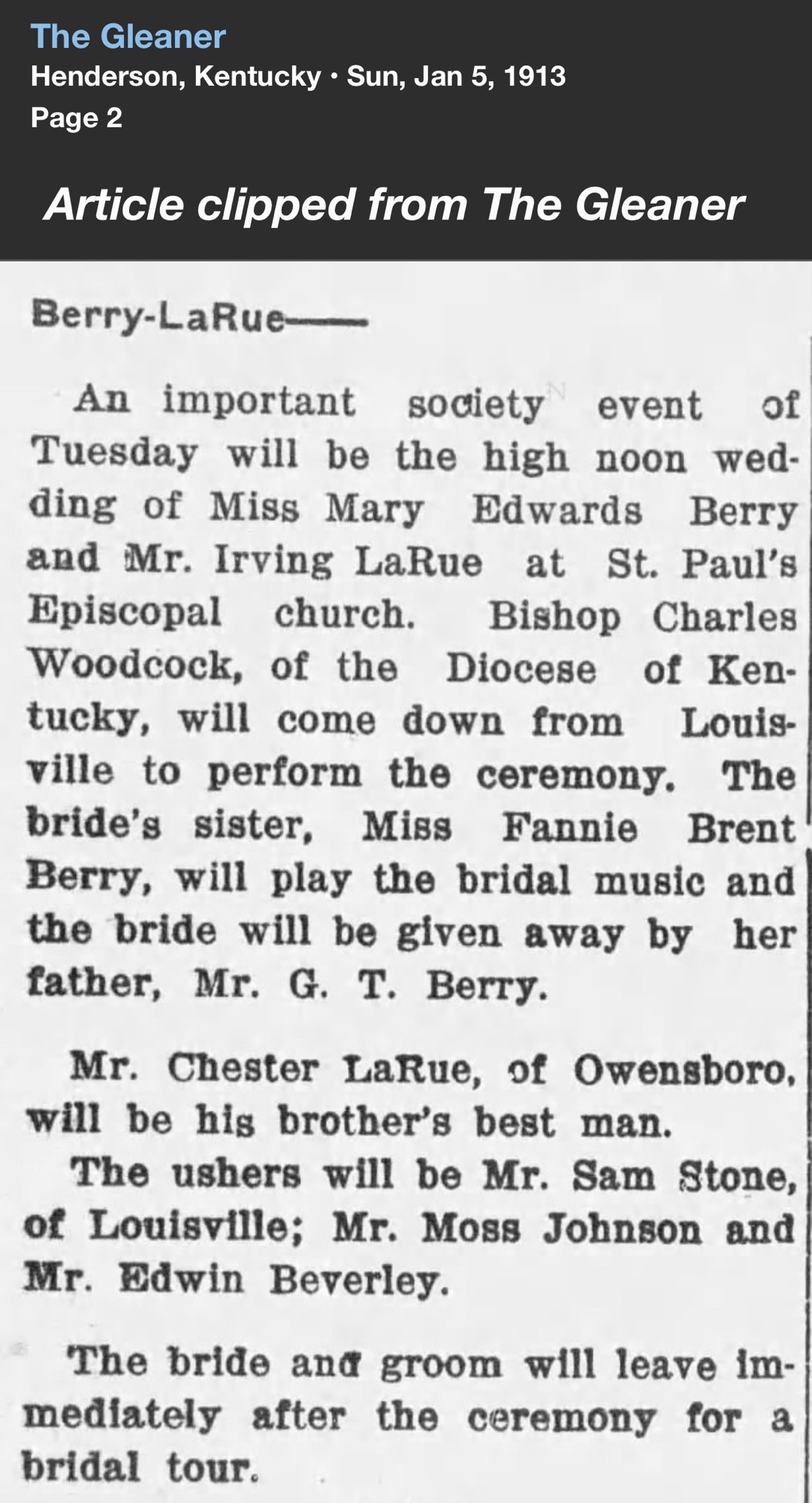
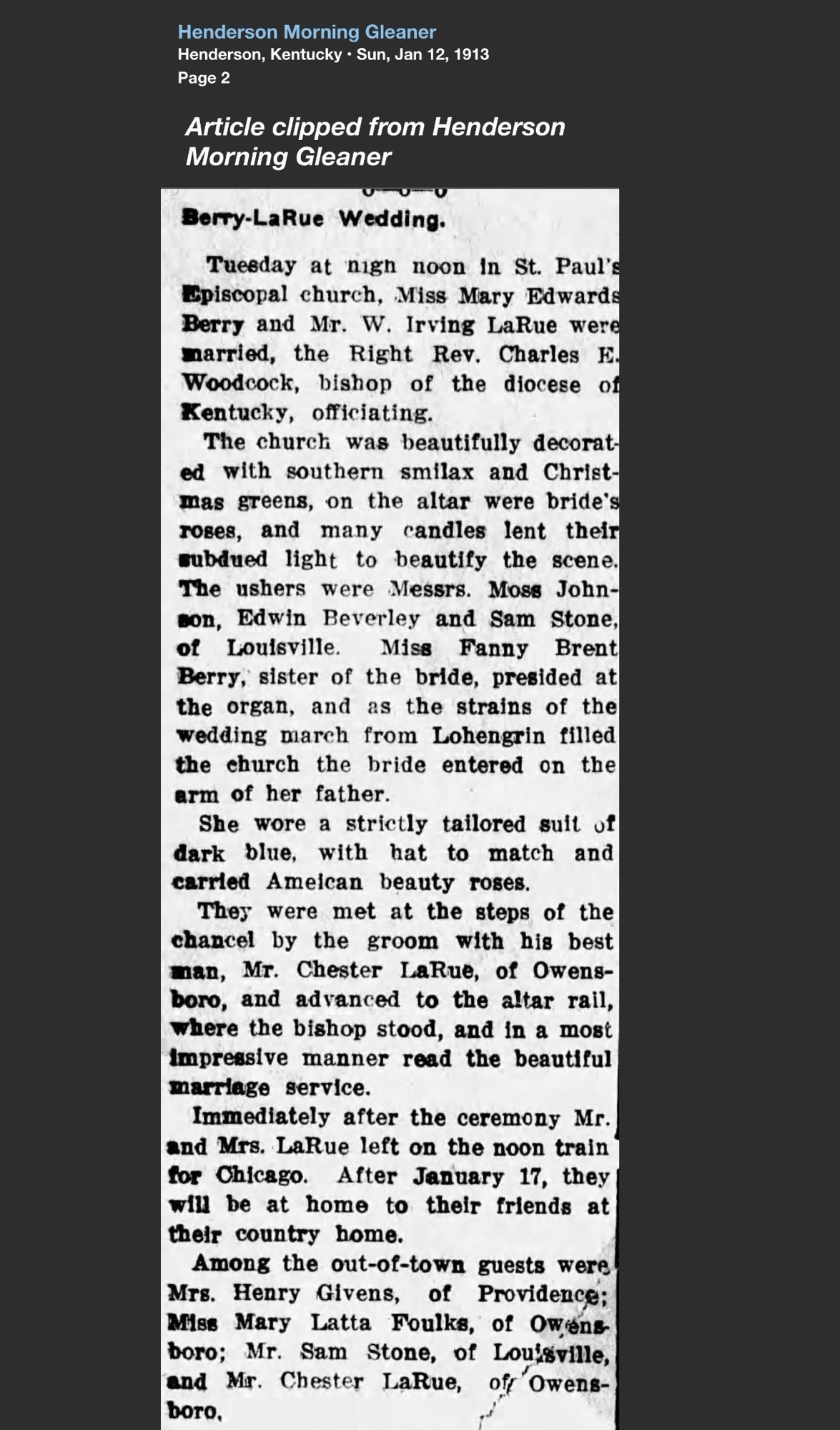
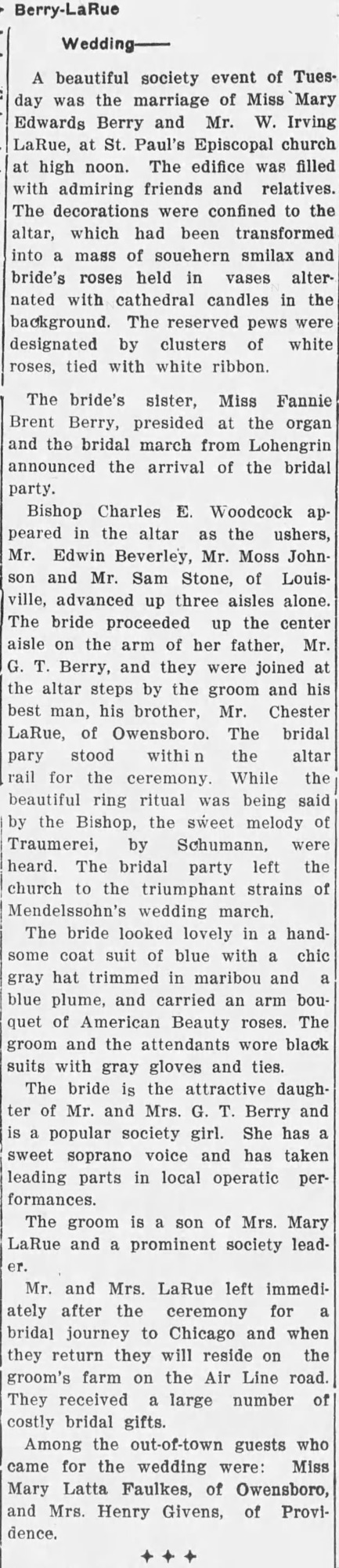
His personal life also appeared regularly in the society pages. In January 1913, LaRue married Miss Mary Edwards Berry in a well-attended ceremony at St. Paul’s Episcopal Church. The wedding was described in detail, from the floral arrangements to the music and distinguished guests. It was, as the newspaper put it, a major social event-placing the LaRue family firmly within Henderson’s social circles.
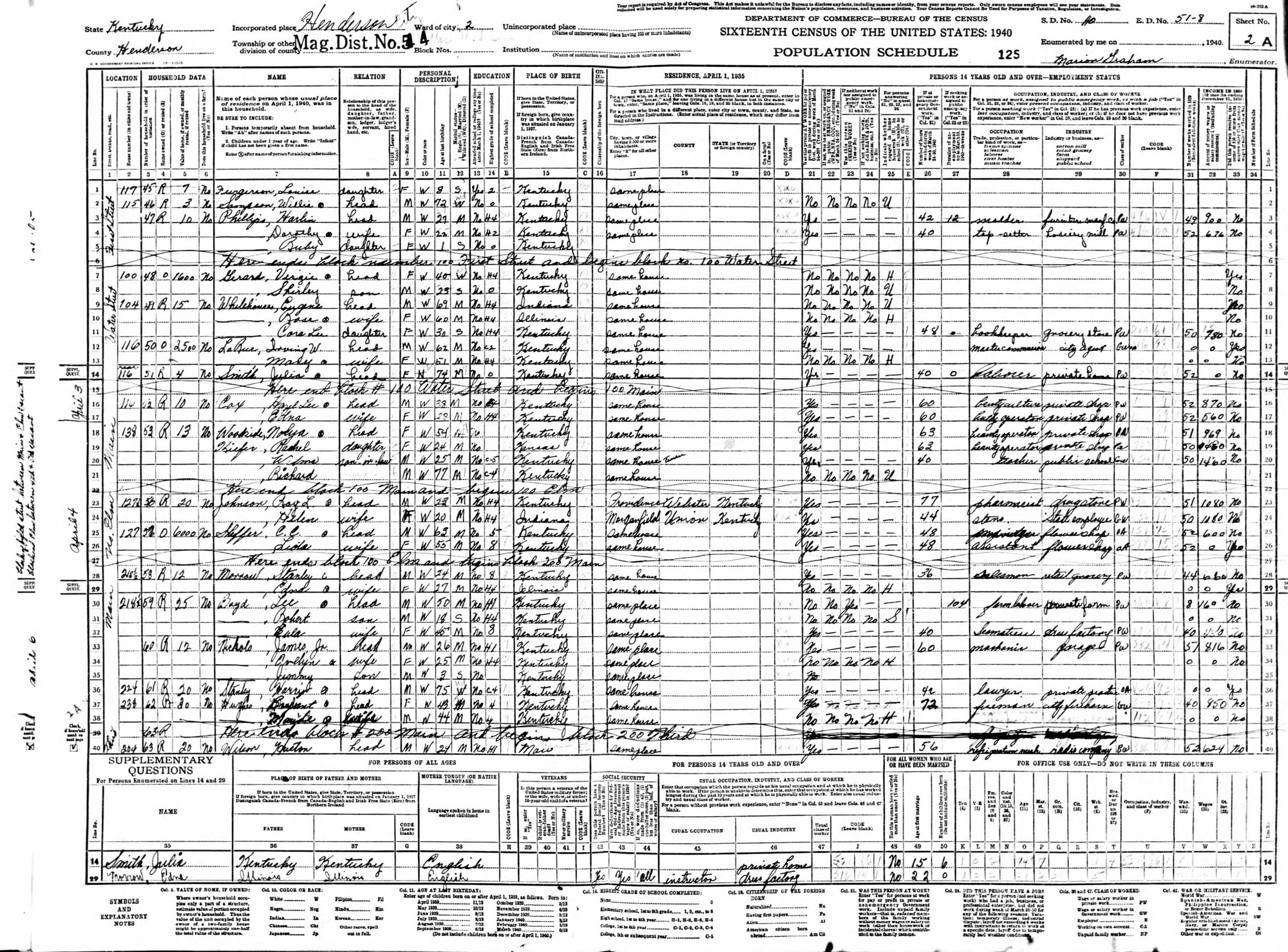
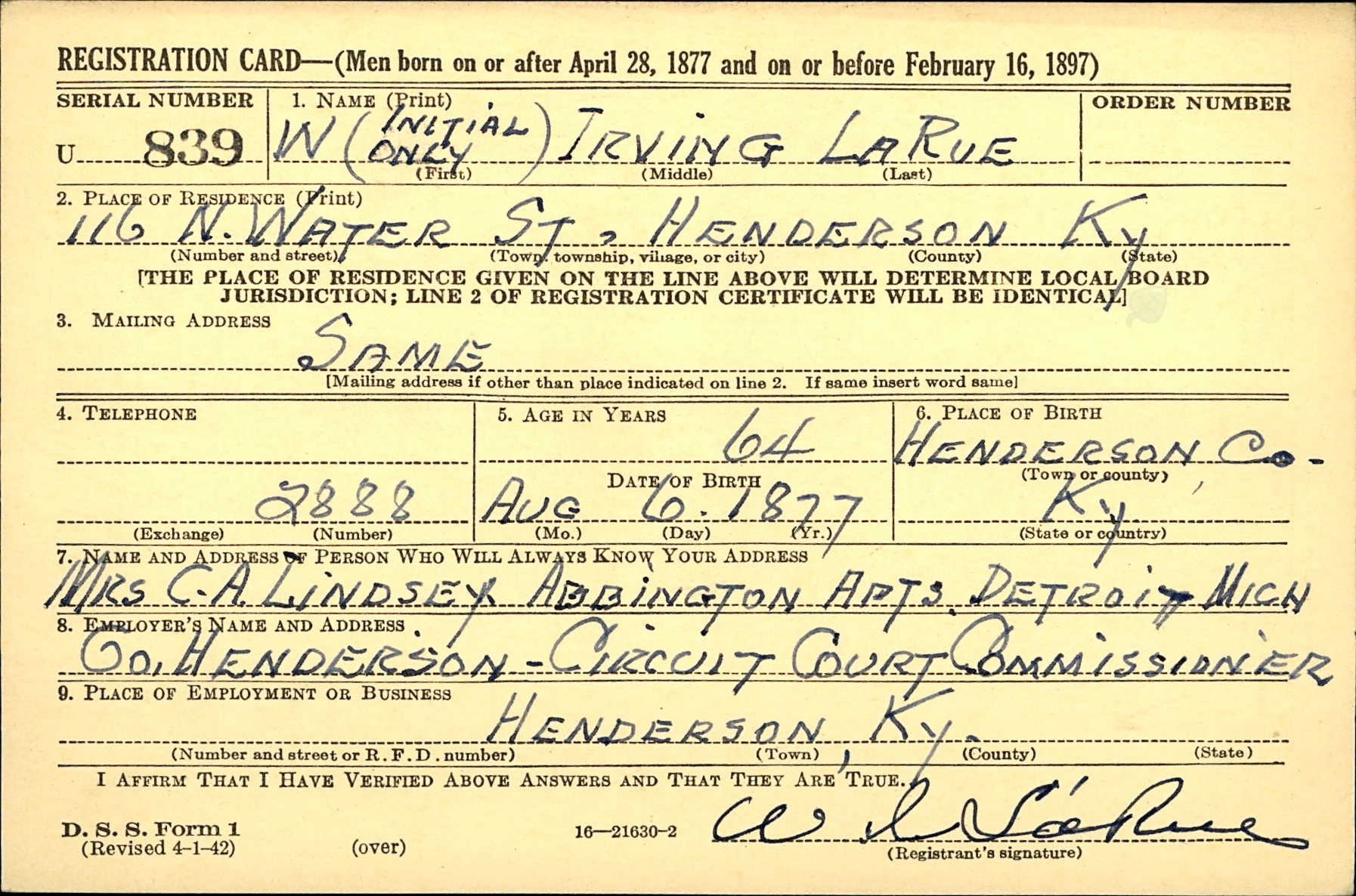
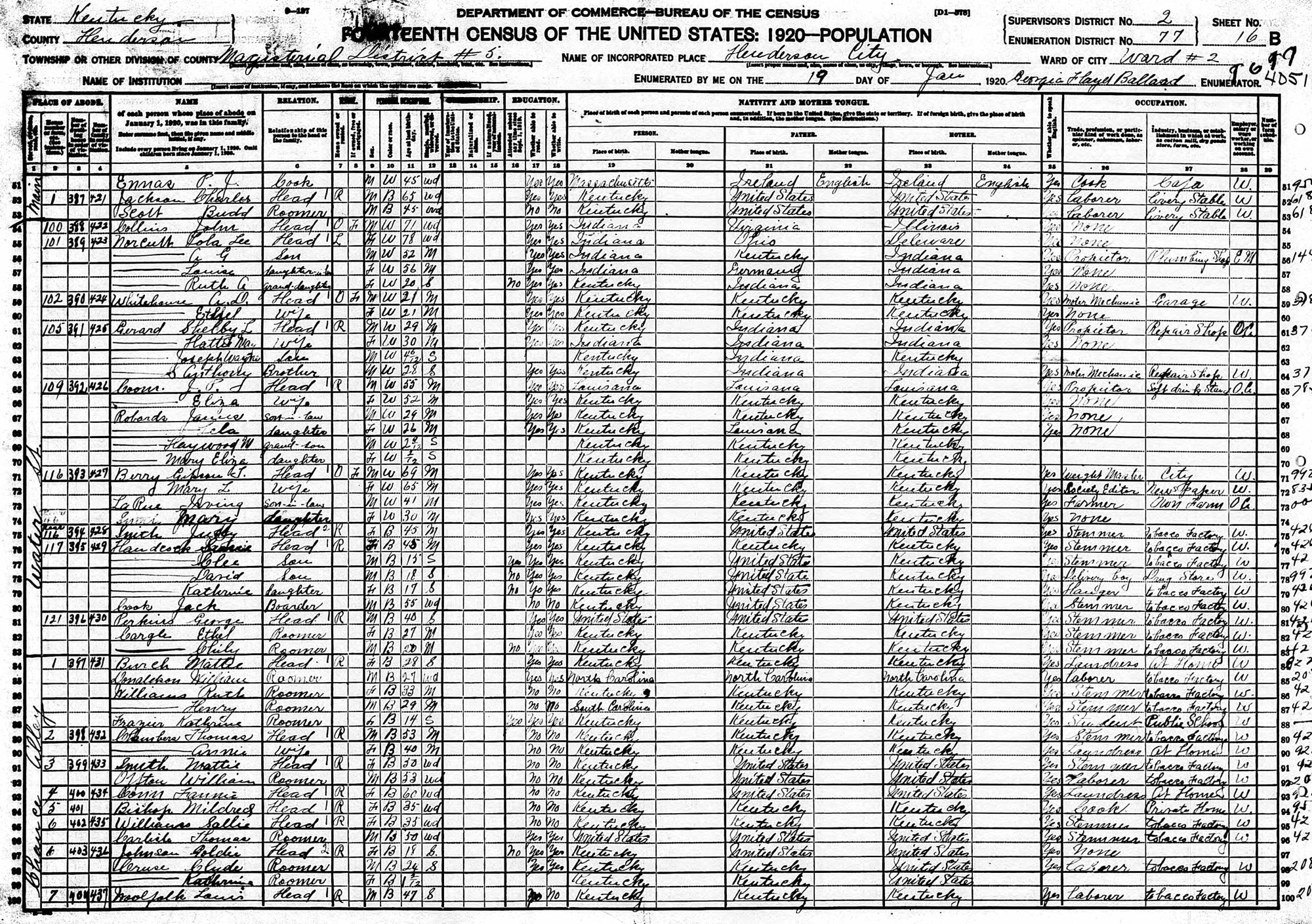
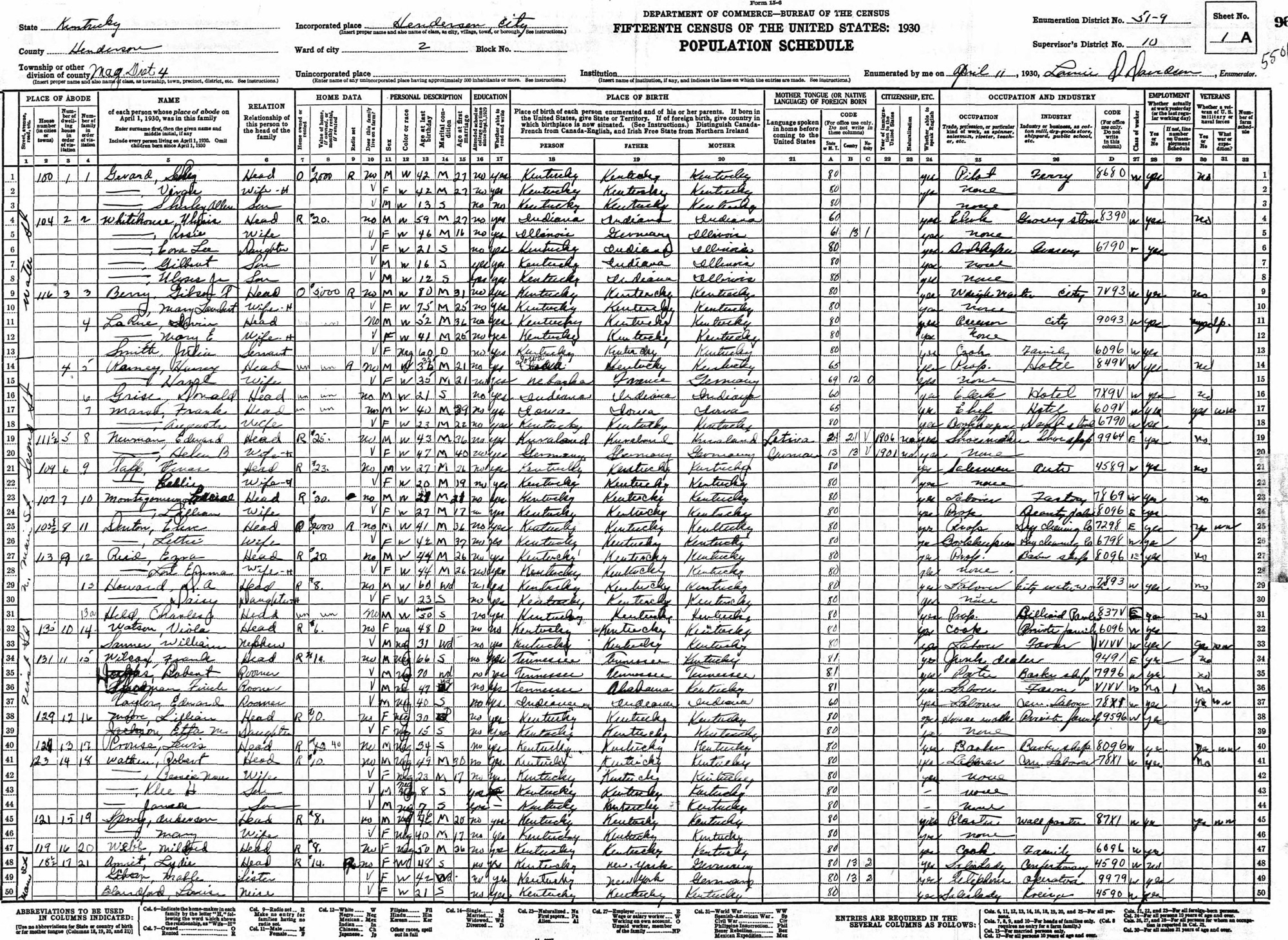
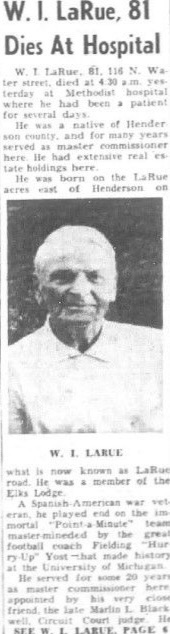
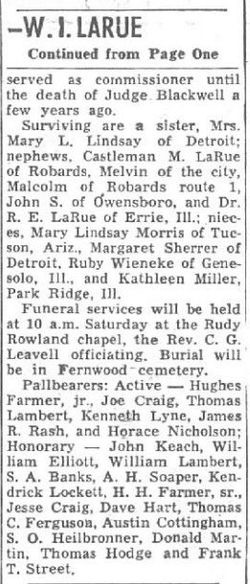
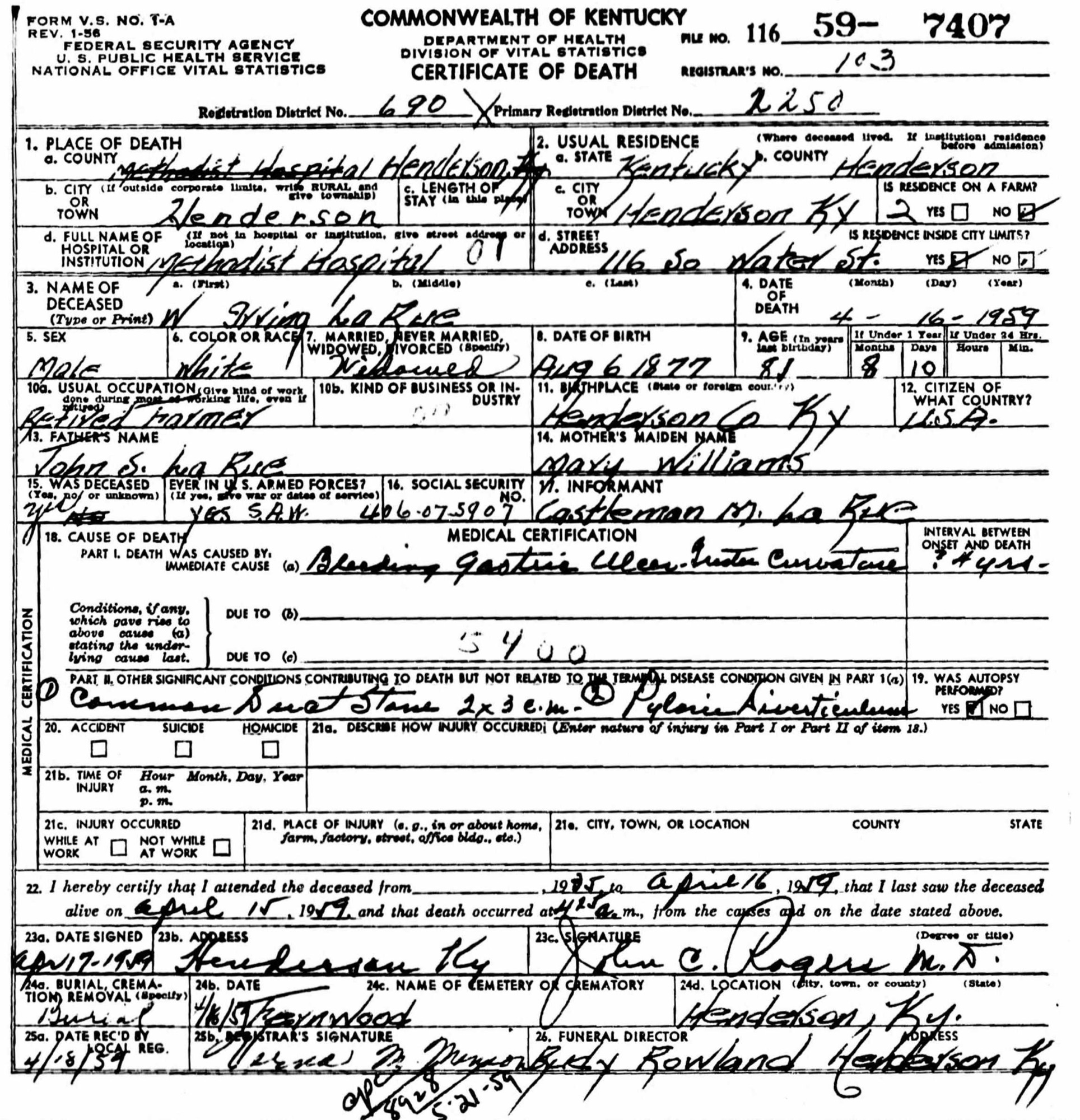
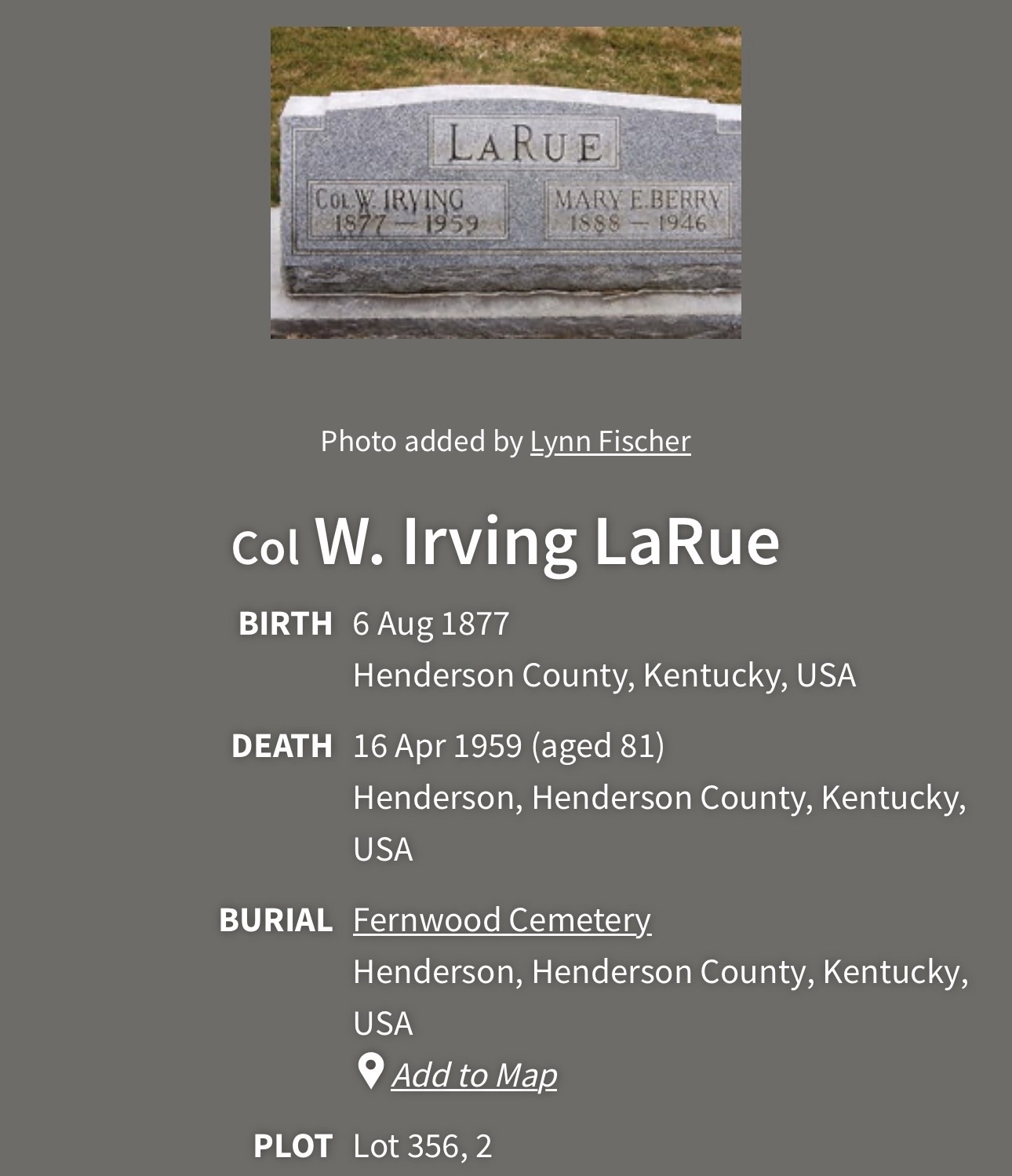
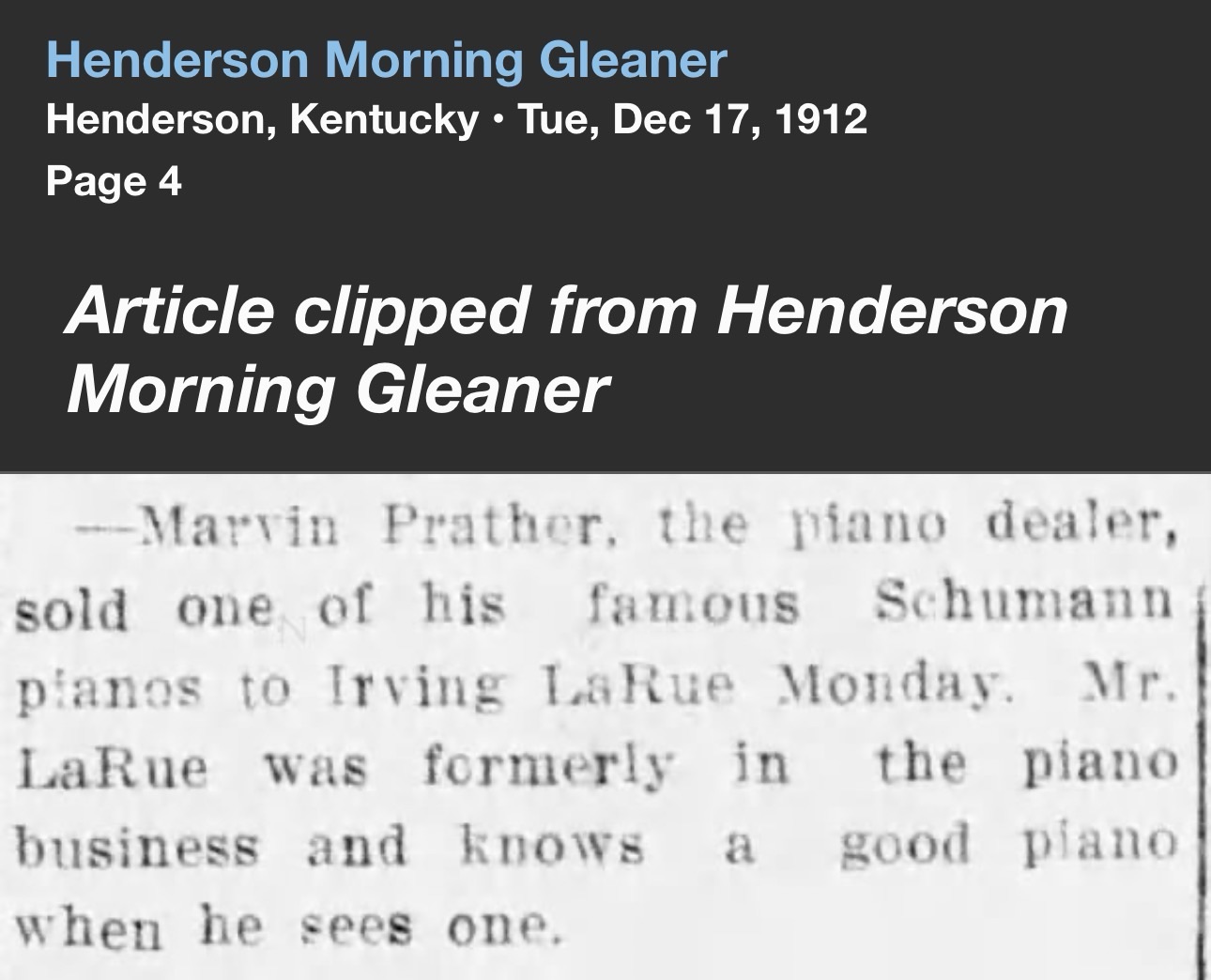
Other glimpses of his life appear in smaller mentions: purchasing a piano, participating in civic activities, and maintaining a steady presence in local business. Census records and later documentation show that he remained in Henderson throughout his life, eventually being laid to rest in Fernwood Cemetery in 1959.
What makes the token so compelling is not just its rarity, but what it represents.
It connects directly to a man who embodied the energy of a growing Henderson-someone who ran multiple businesses, participated in civic life, and adapted as the city evolved. The five-cent token is more than a piece of currency; it is a surviving artifact from a network of relationships, transactions, and daily routines that once defined downtown Henderson.
In the end, it is a reminder that even the smallest objects can carry the weight of a much larger story, one rooted in the lives of the people who built this community, one business at a time.