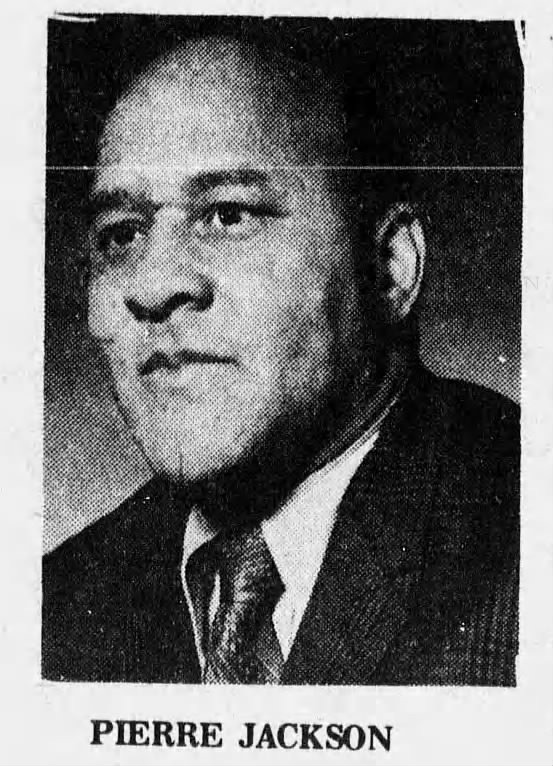
Pierre “Red” Jackson: A Champion for Henderson
Teacher, coach, civil rights advocate and community mentor, 1927-2014
Pierre “Red” Jackson helped shape Henderson through the people he taught, coached and encouraged. A celebrated athlete who returned home to serve his community, he worked in classrooms, on playing fields, at the swimming pool and in the struggle for civil rights. Generations of young people knew him as a man who expected effort, taught by example and took an interest in their futures. [7, 17]
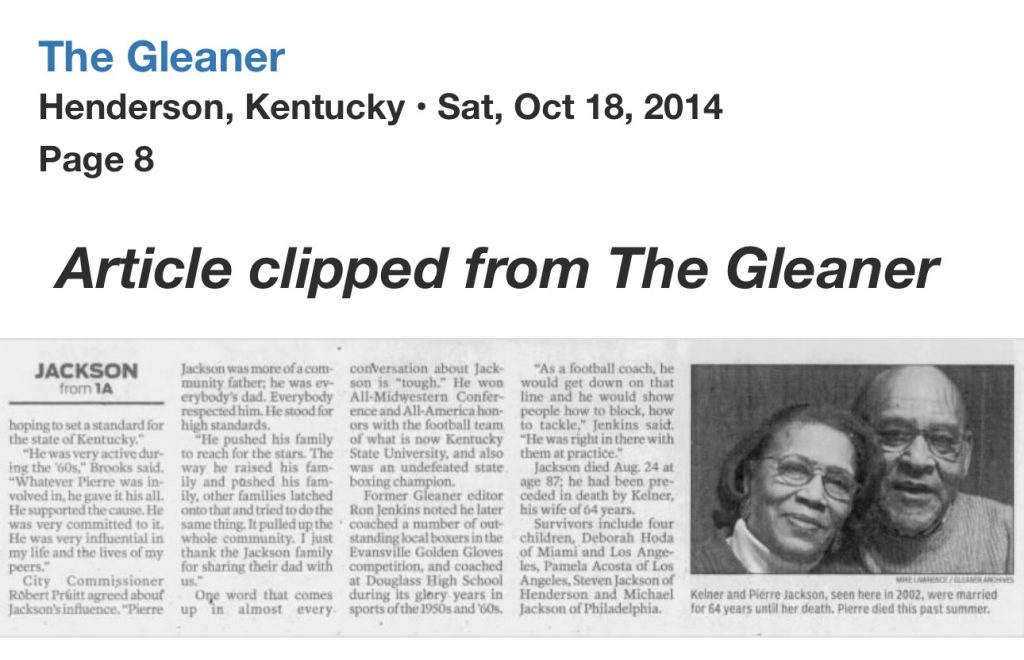
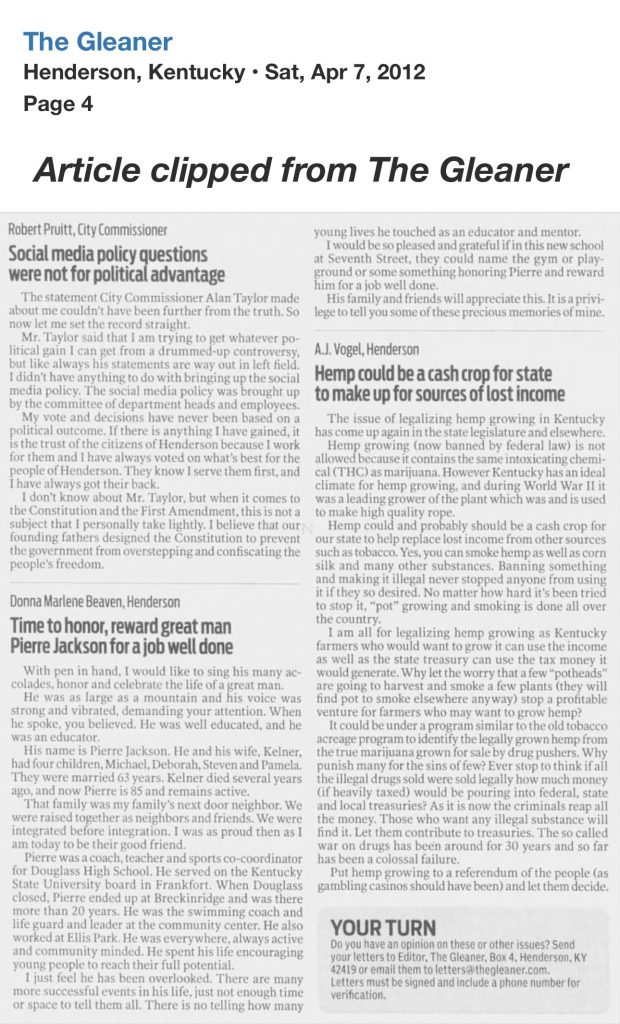
When Jackson died in 2014, Henderson City Commissioner Robert Pruitt described him as a “community father.” The phrase captured the reach of a life whose influence extended well beyond his own family. His accomplishments brought recognition to Henderson, while his everyday work helped create opportunities for the people who lived here. [17]
Pierre Wallace Jackson was born in Detroit, Michigan, in 1927 and grew up in Henderson. He attended the segregated Douglass High School, graduating in 1945. Already an outstanding athlete, he continued his education at Kentucky State College in Frankfort, the institution later known as Kentucky State University. [1, 2, 12]
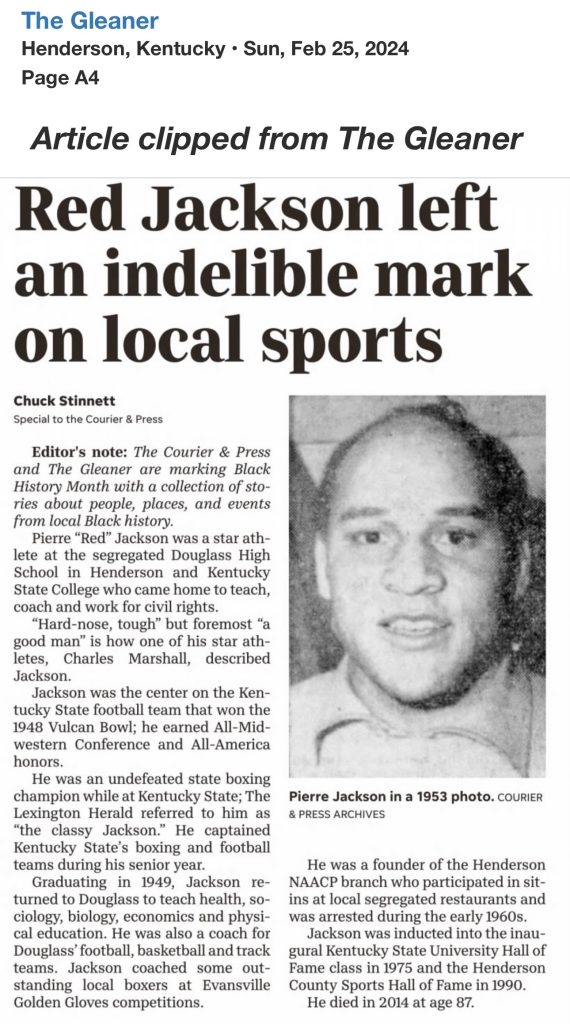
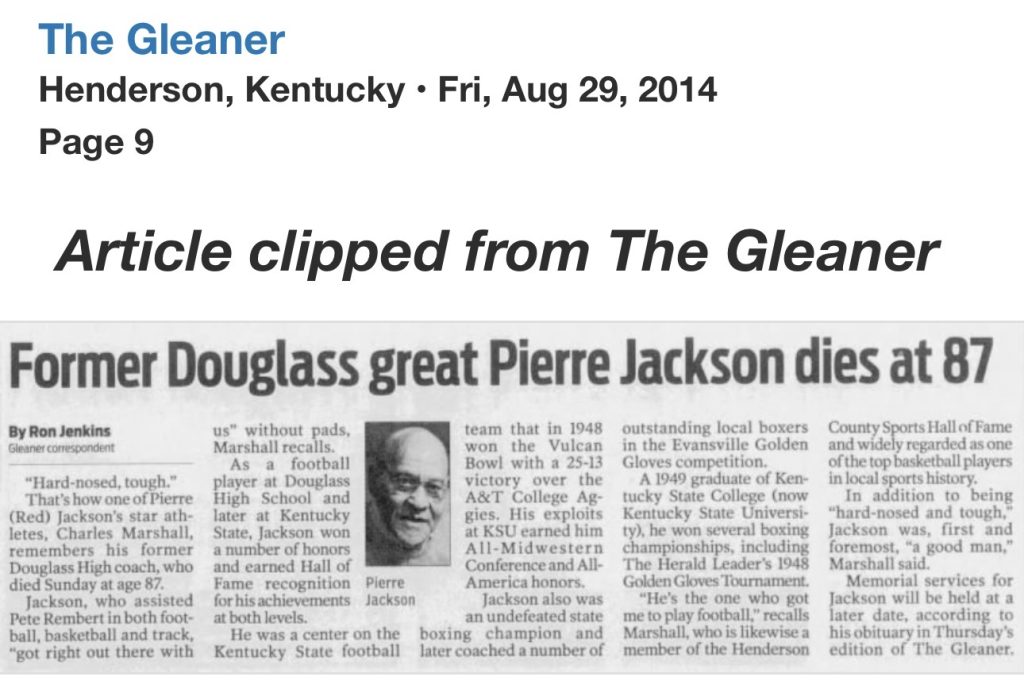
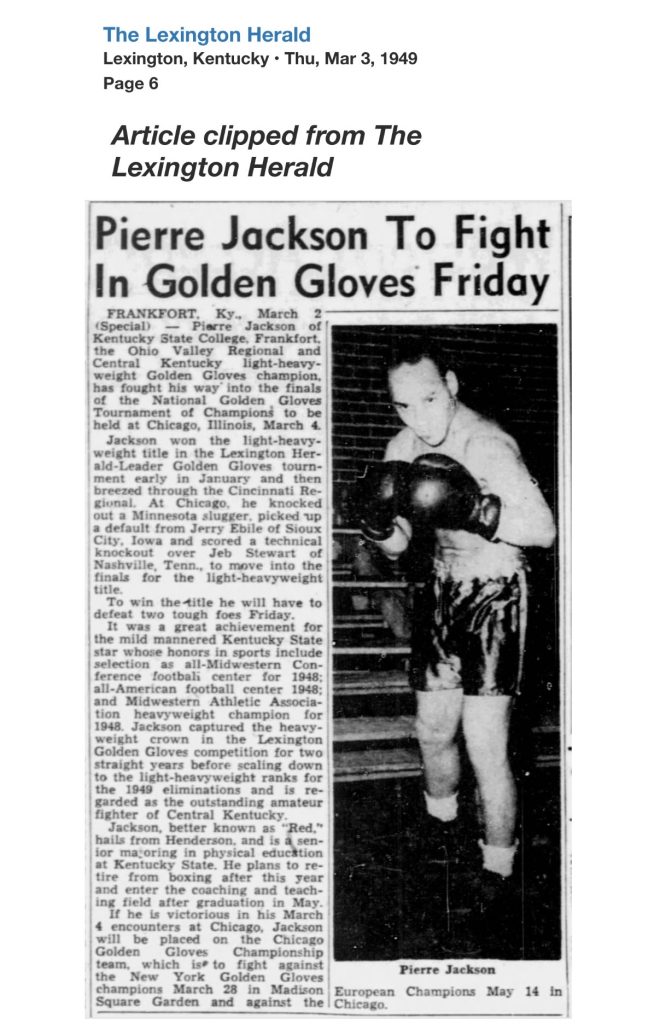
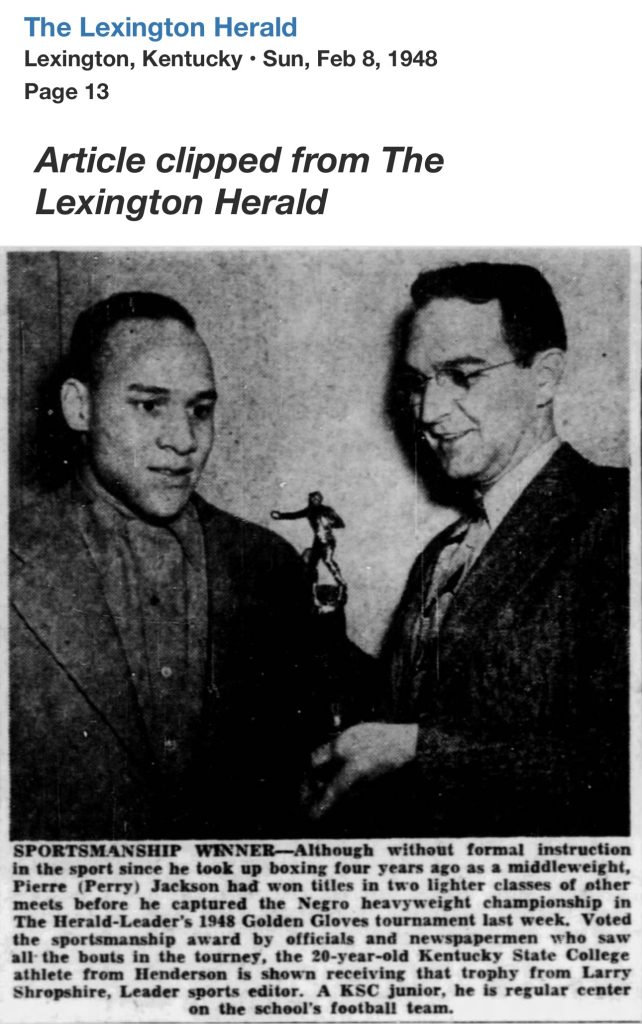
At Kentucky State, Jackson distinguished himself in football and boxing. He played center on the football team that won the 1948 Vulcan Bowl, defeating the A & T College Aggies, 25-13. His football achievements included All-Midwestern Conference and All-America honors. During his senior year, he captained both the football and boxing teams. [2, 3, 12]
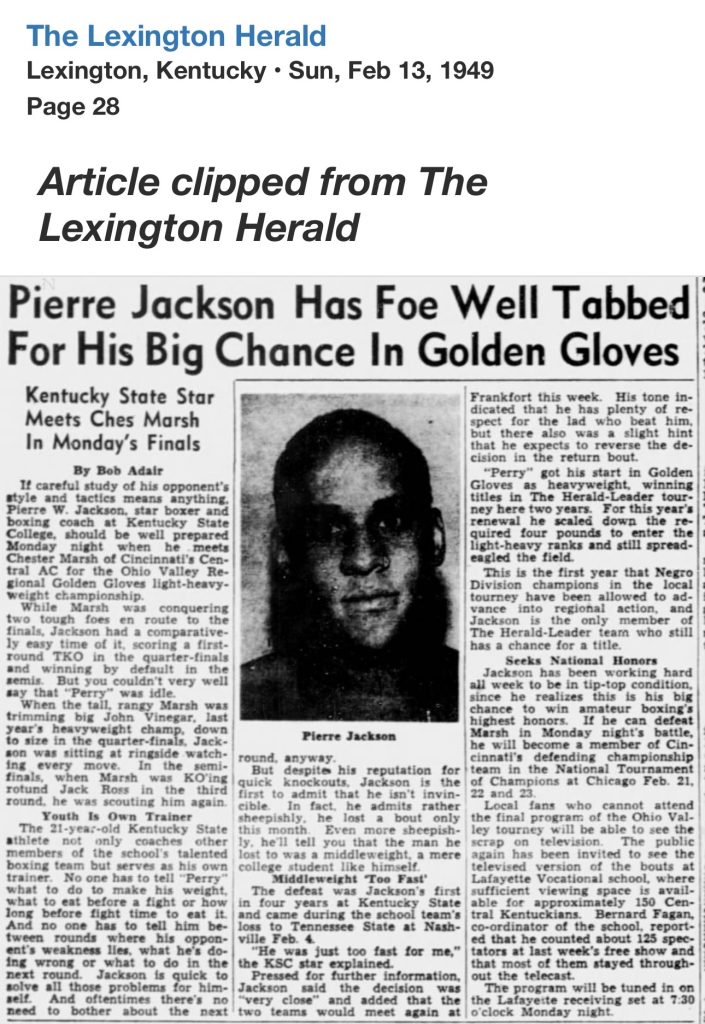
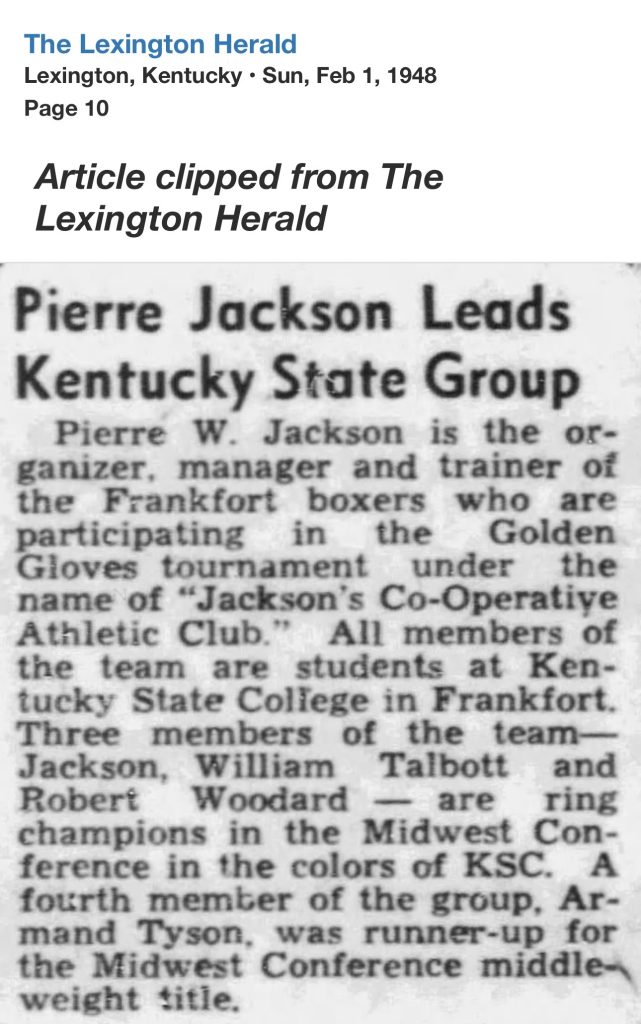
His leadership was evident even while he was a student. In February 1948, The Lexington Herald identified him as the organizer, manager and trainer of a group of Kentucky State boxers competing as Jackson’s Co-Operative Athletic Club. A year later, sportswriter Bob Adair described a young athlete who trained himself, coached his teammates and carefully studied his opponents. Jackson was already learning to develop other people’s abilities alongside his own. [4, 5]
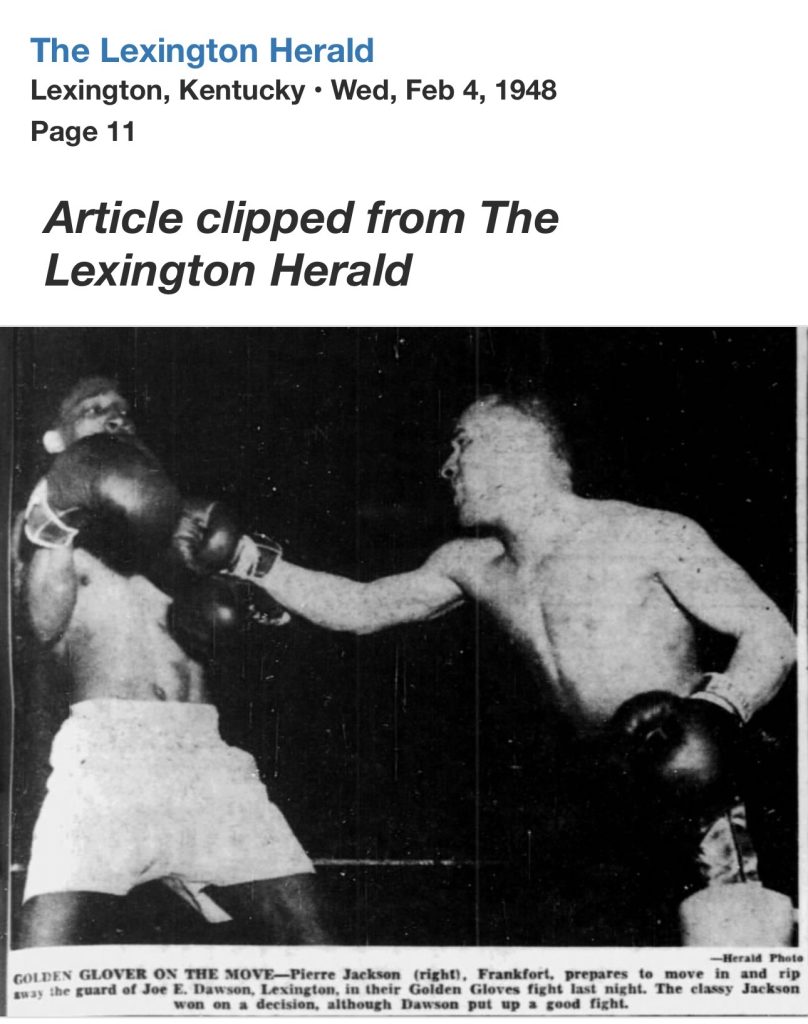
His progress came during a period when racial barriers restricted athletic opportunities. The Lexington Herald reported that 1949 was the first year champions from the local Golden Gloves tournament’s segregated Black division were allowed to advance into regional competition. Jackson won the Ohio Valley regional light-heavyweight title and reached the national competition in Chicago, where he eventually lost to Wes Bascom of St. Louis. His success carried the name of a young Henderson athlete far beyond western Kentucky. [3, 5, 11]
By the spring of 1949, Jackson was preparing for a career in teaching and coaching. After graduating from Kentucky State, he returned to Douglass. Over 16 years, he taught subjects that included physical education, health, biology, sociology and economics. His work placed him in daily contact with students whose lives and ambitions extended well beyond school athletics. [3, 6, 12]
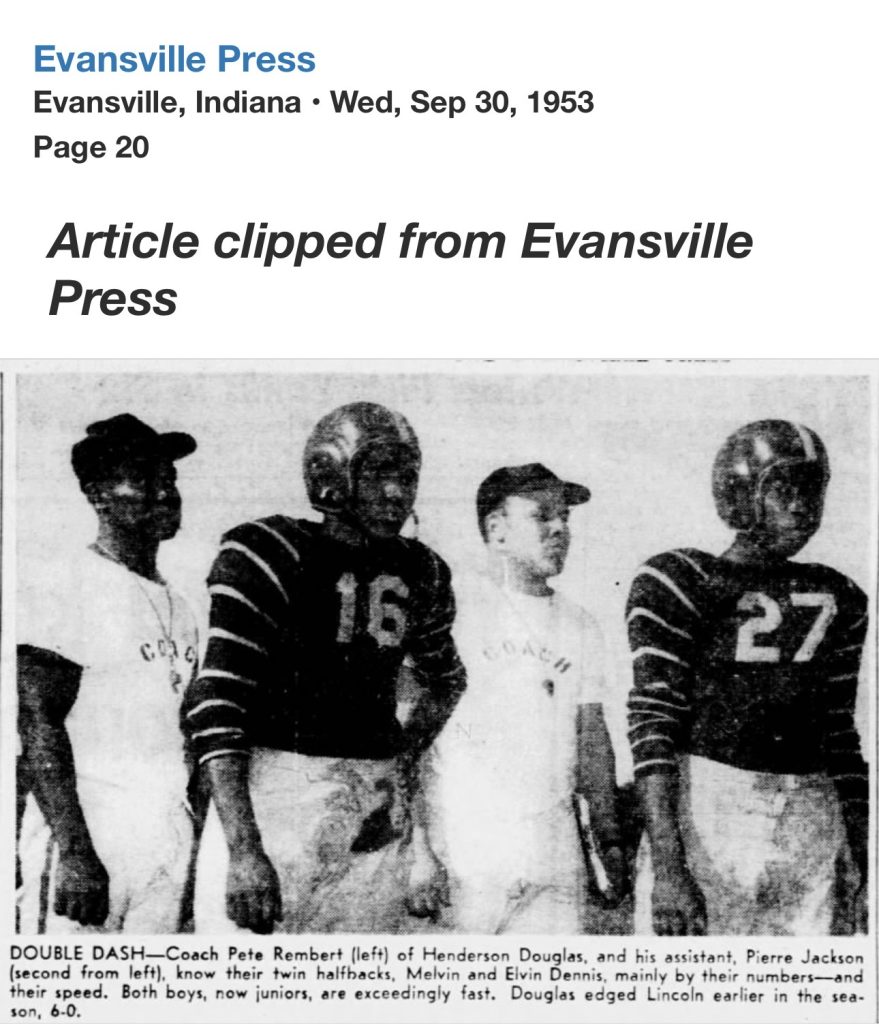
Working alongside coach Peter “Pete” Rembert, Jackson helped develop Douglass football, basketball and track teams during one of the school’s most successful athletic periods. Douglass football went without a losing season from 1949 through 1959, and the 1959 team reached the championship game of Kentucky’s first Class A state playoffs. The achievements of those teams became an enduring part of Henderson’s sporting history. [2]
Former players remembered a coach who participated in the work he demanded. Charles Marshall recalled Jackson getting onto the field with his players without pads. Former Gleaner editor Ron Jenkins likewise remembered him demonstrating blocking and tackling at practice. Marshall credited Jackson with getting him to play football and remembered his toughness alongside his character. Above all, he said, Jackson was “a good man.” [7, 17]
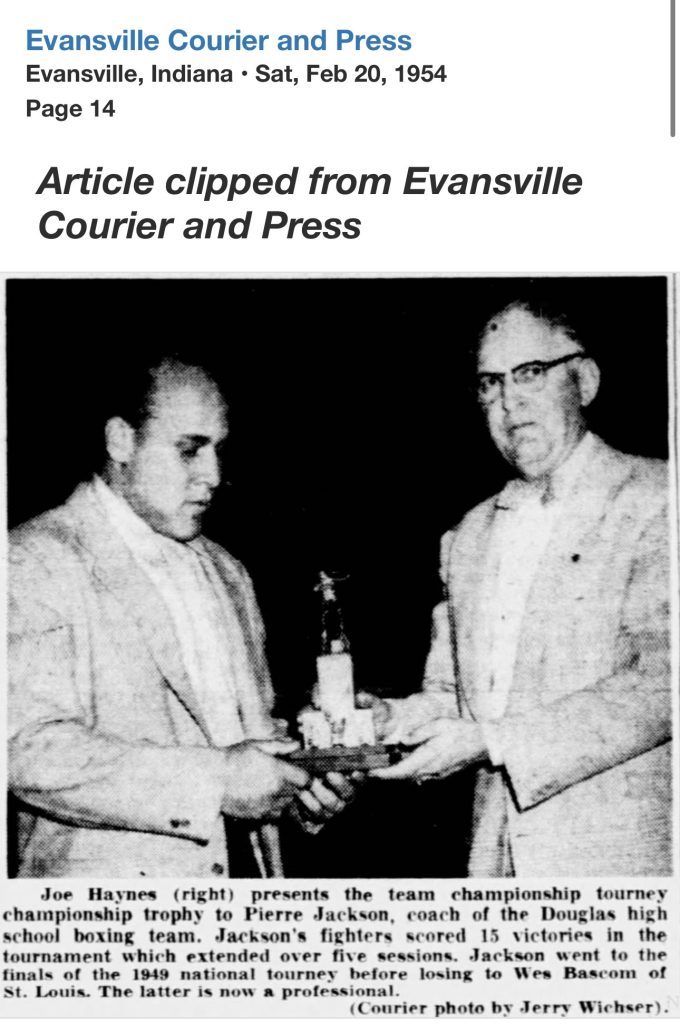
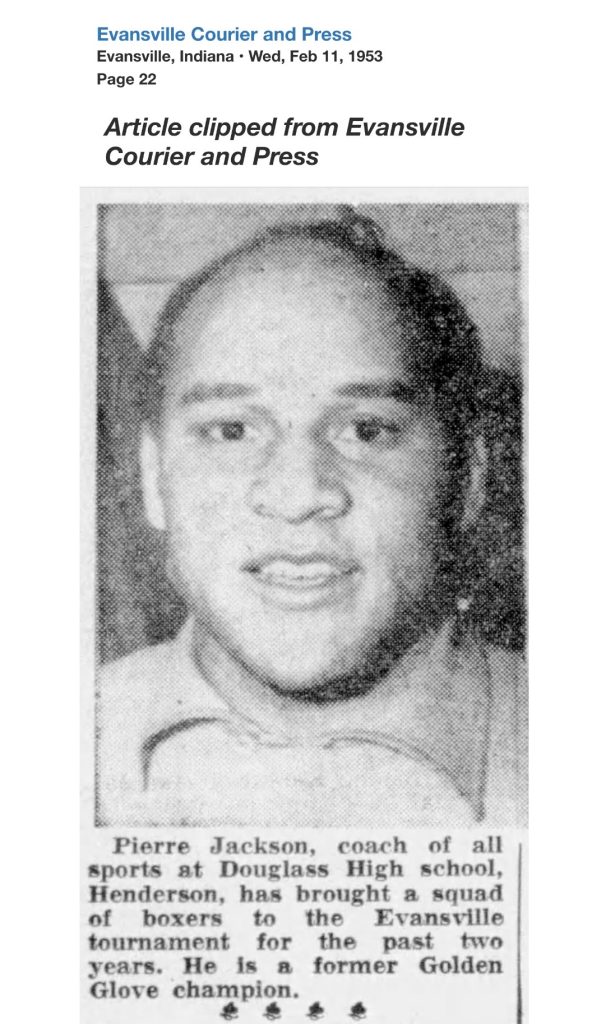
Jackson also helped Henderson youngsters make their mark in boxing. A February 1954 newspaper photograph shows Joe Haynes presenting him with a team championship trophy as coach of the Douglass High School boxing team. The accompanying caption credited Jackson’s fighters with 15 victories during a tournament held over five sessions. He continued to be remembered for coaching successful local boxers in Evansville’s Golden Gloves competition. [8, 7]
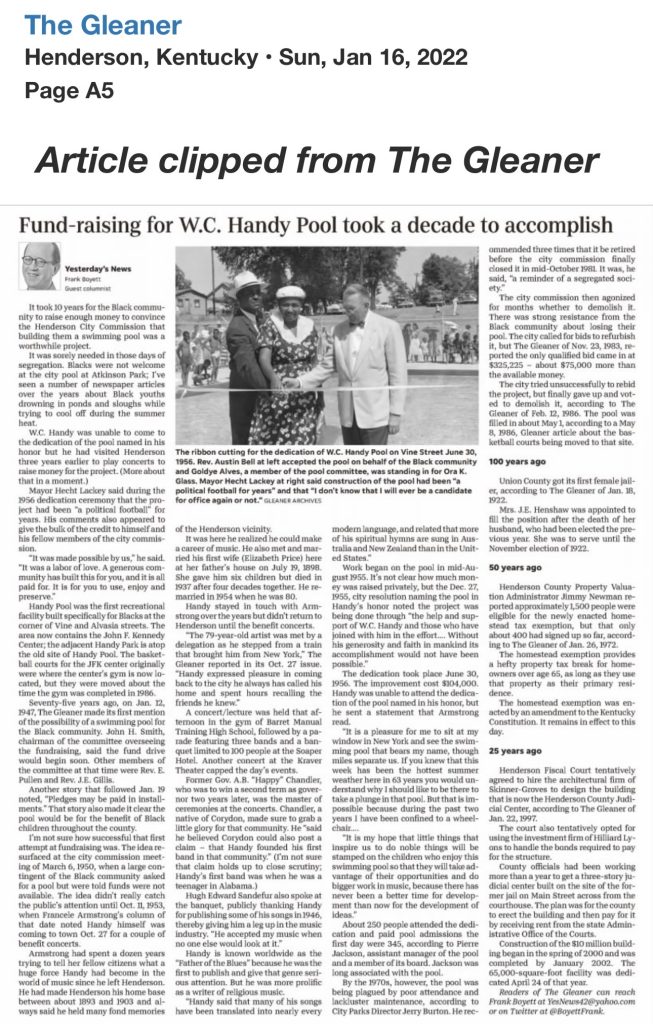
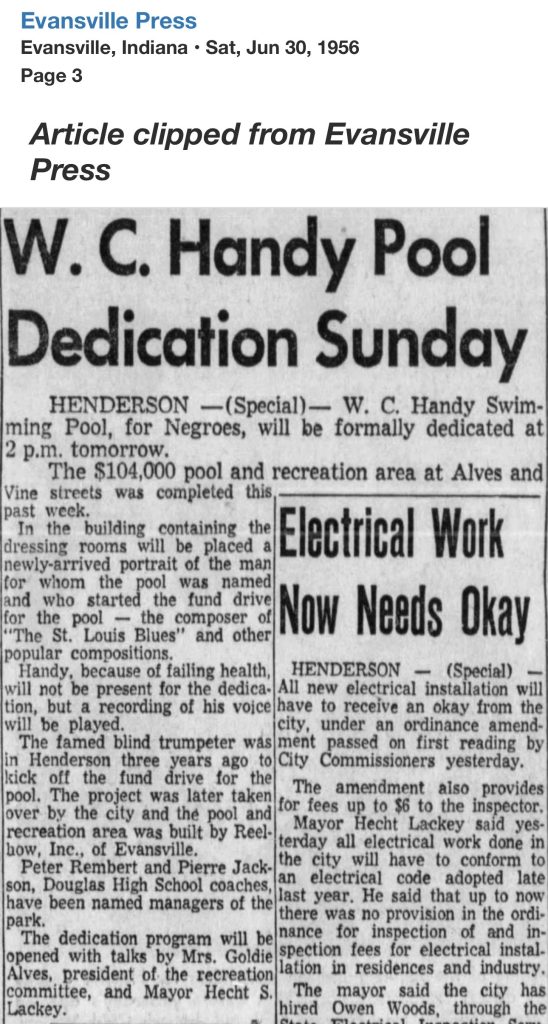
His service to young people continued during the summer. When Henderson’s W. C. Handy swimming pool and recreation area opened in 1956, Jackson and Rembert were named its managers. The facility represented years of effort by Henderson’s Black community to provide a public swimming pool at a time when Black residents were excluded from the city pool at Atkinson Park. Jackson helped put that hard-won community resource into daily use. [9, 10]
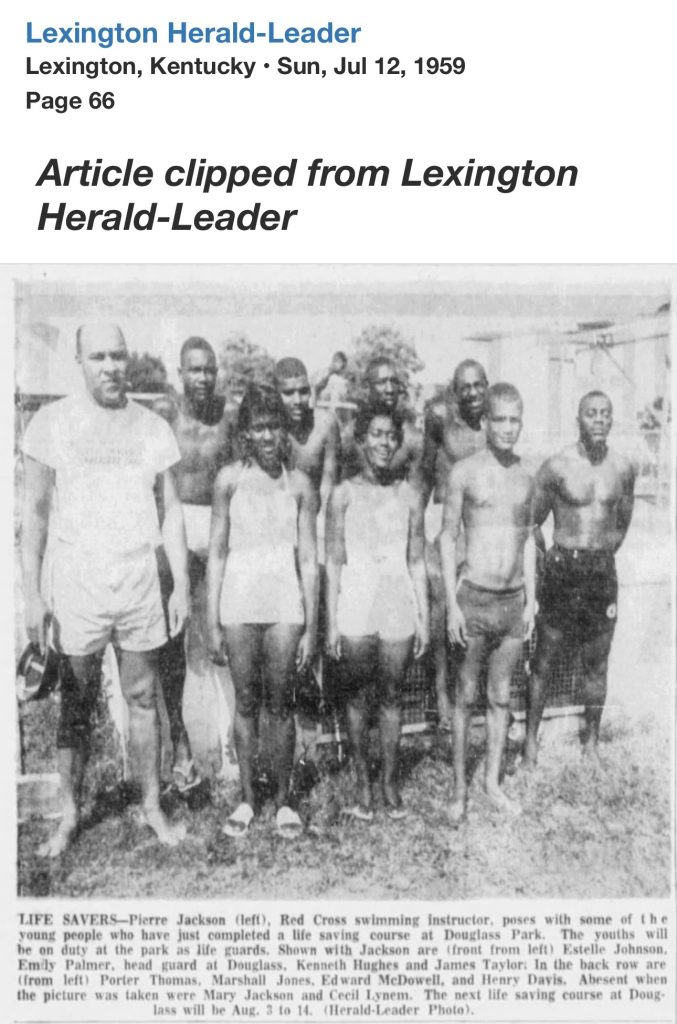
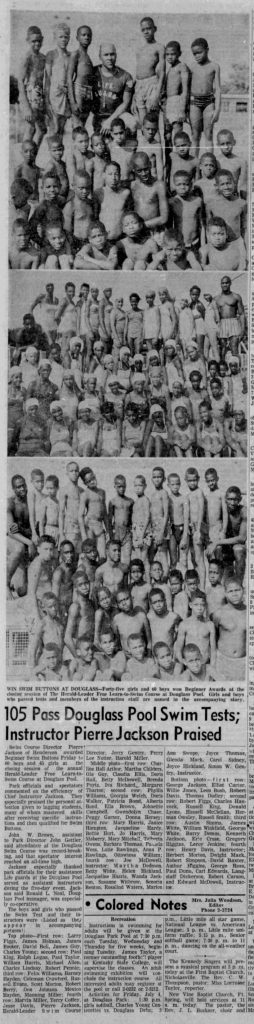
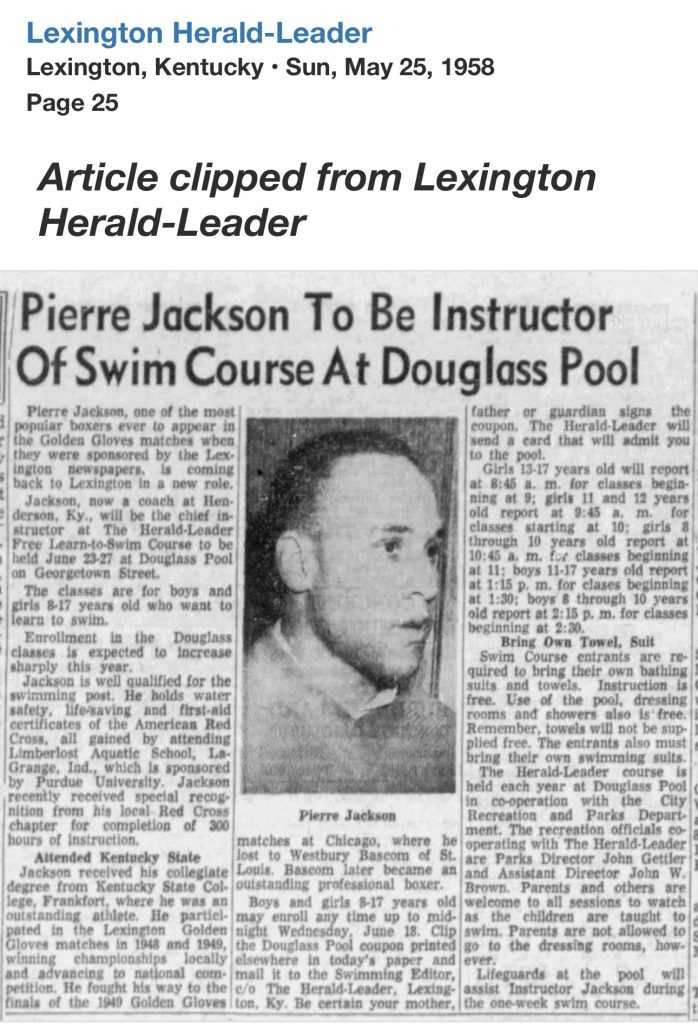
Swimming instruction became another way he served children. By 1958, his local American Red Cross chapter had recognized him for completing 300 hours of instruction. He held certificates in water safety, lifesaving and first aid, earned through training at the Limberlost Aquatic School in LaGrange, Indiana. That summer, he was selected as chief instructor for a free learn-to-swim course at Douglass Pool in Lexington. His appointment reflected skills developed during his work in Henderson and allowed him to help children elsewhere in Kentucky. [11]
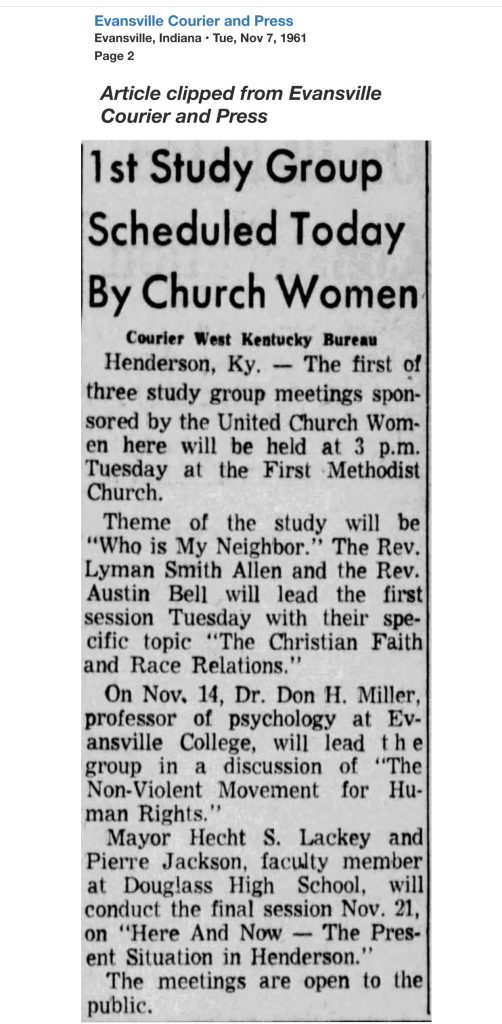
Jackson also worked to change the conditions that limited the lives of Black Henderson residents. Active in the local NAACP, he participated in the movement to desegregate Henderson restaurants. His commitment required a willingness to face arrest while remaining a teacher, coach and community example. [12, 13]
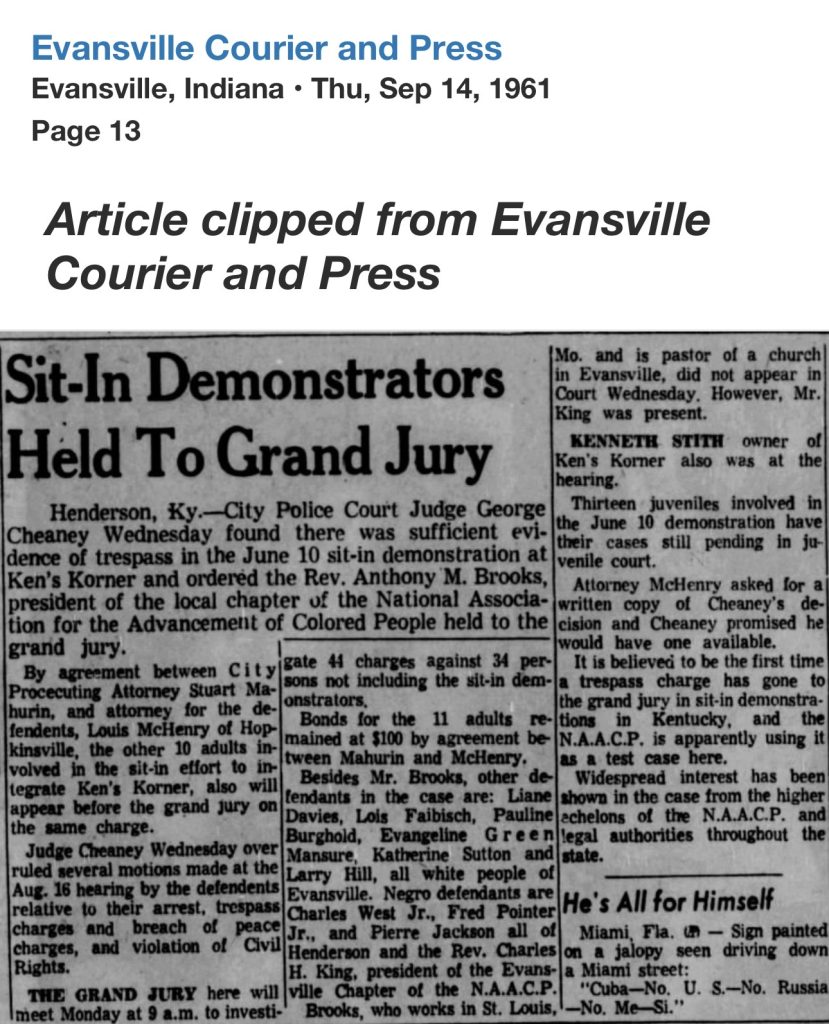
On June 10, 1961, Jackson took part in a sit-in at Ken’s Korner in Henderson. The demonstration involved 24 people, including 11 adults and 13 juveniles, with Black and white participants from Henderson and Evansville. Jackson was among the adults charged following the protest, alongside local NAACP president the Rev. Anthony M. Brooks and other participants. Contemporary reporting described a brief, silent demonstration without violence. [13, 14]
The case drew attention beyond Henderson. In September, the Henderson County grand jury declined to indict the adults for trespass. Commonwealth’s Attorney Leonard Mitchell said he did not believe their actions contained an element of that offense. The newspaper reported that possible breach-of-peace proceedings remained a question for Police Court. [14]
The personal meaning of that activism remained vivid decades later. In a 2024 address reported by The Hendersonian, Bobbie Jarrett recalled being refused service with her Holy Name School classmates during a third-grade field trip. She remembered family members and community leaders meeting with Brooks and Jackson to organize a protest. More than 60 years later, she still carried a newspaper clipping as a reminder of the sacrifices made for her. “These people went out on a limb for me,” Jarrett said. Her recollection showed how Jackson’s advocacy could influence a child’s sense of dignity and belonging for a lifetime. [15]
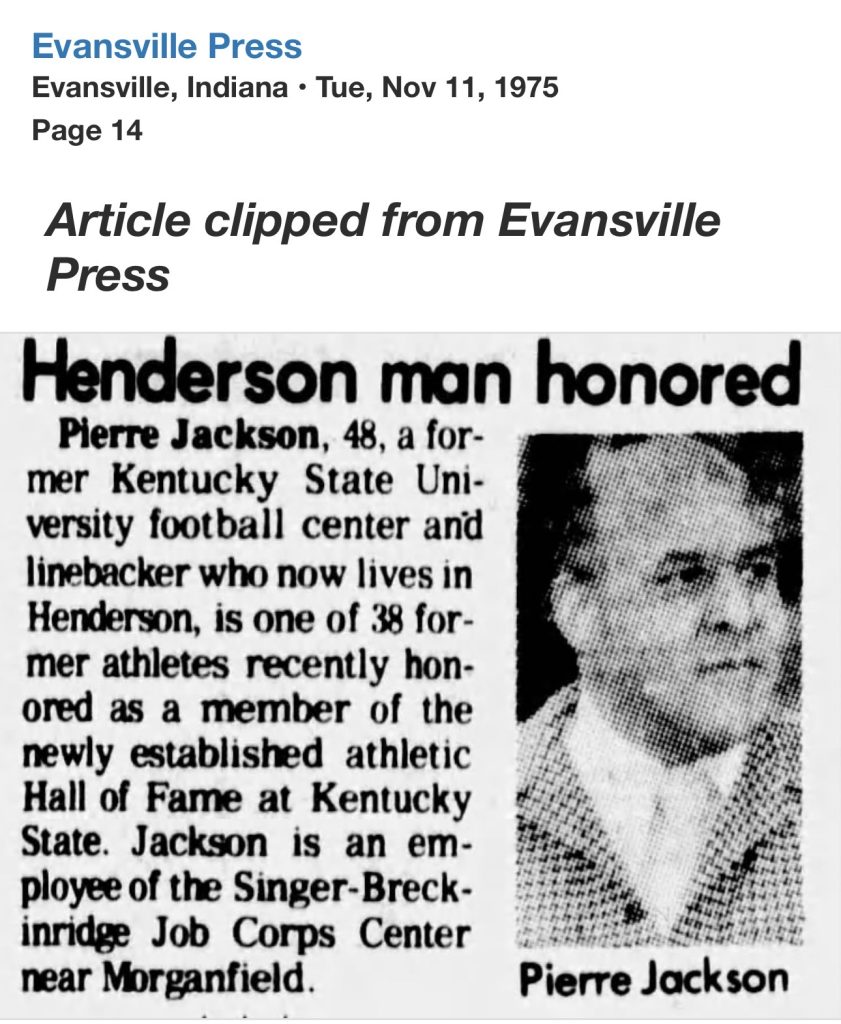
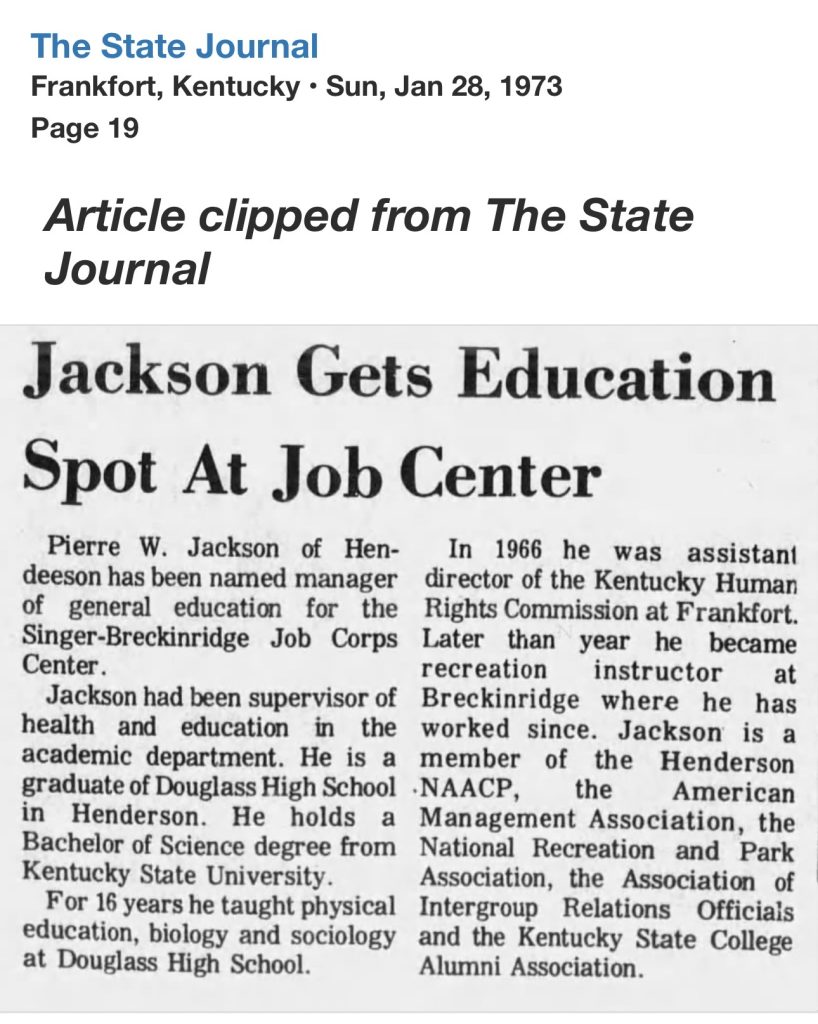
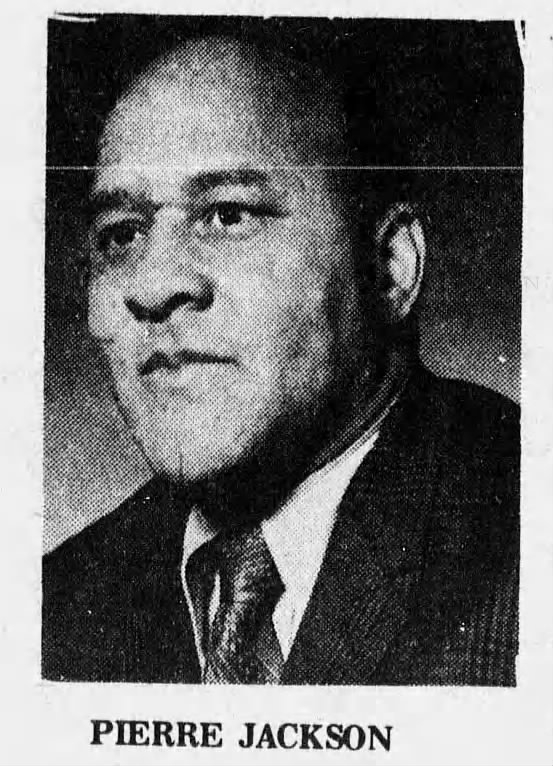
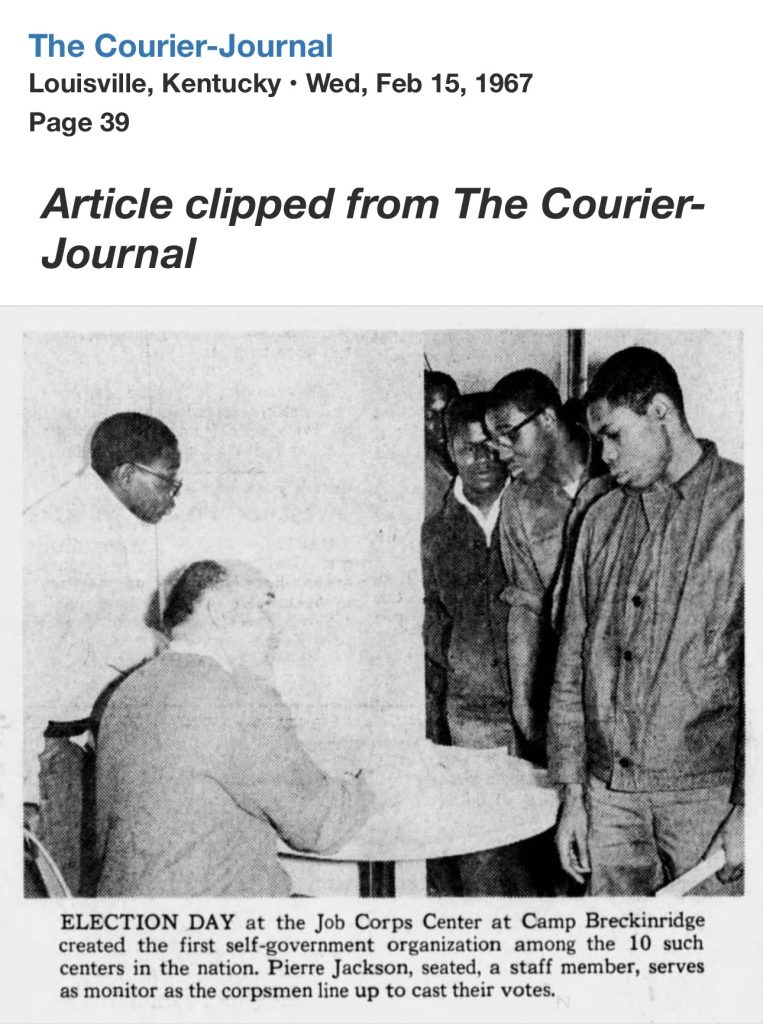
His later career continued the connection between education and equal opportunity. In 1966, Jackson served as assistant director of the Kentucky Human Rights Commission in Frankfort. Later that year, he became a recreation instructor at the Breckinridge Job Corps Center near Morganfield. He advanced into educational supervision, and in January 1973, The State Journal reported his appointment as manager of general education at the Singer-Breckinridge Job Corps Center. The skills he had developed at Douglass were now part of his work with a wider population of young people. [6, 16]
Family was an important part of the example Jackson set. He and his wife, Kelner, were married for 64 years before her death. Their four children were Deborah, Pamela, Steven and Michael. In remembering Jackson, Pruitt spoke of the high standards he set for his own family and how other families adopted the same expectations. He thanked the Jackson family for sharing their father with the community. [17]
Formal honors recognized Jackson’s athletic accomplishments. In 1975, he was among the 33 former athletes inducted into Kentucky State’s newly established athletic Hall of Fame. Henderson honored him with induction into the Henderson County Sports Hall of Fame in 1990. Those recognitions preserved his place among the outstanding athletes produced by Douglass and Henderson. [16, 2]
Pierre Jackson died on August 24, 2014, at age 87. The memories shared afterward connected the different parts of his life: the skilled athlete, the demanding coach, the teacher, the civil rights advocate and the father figure who encouraged others to aim higher. [7, 17]
His contribution to Henderson can be seen in students who learned from him, athletes who developed under his guidance, children who gained confidence in the water and residents who challenged segregation with him. He brought his talents home and used them in the service of other people. That sustained commitment earned Pierre “Red” Jackson a lasting place in Henderson’s history.


Sources:
1. University of Kentucky Libraries, Notable Kentucky African Americans Database, Jackson, Pierre W. “Red”. Birth year, birthplace and full name are supported by the indexed biographical entry.
2. Henderson County Sports Hall of Fame, 1990 inductees: Pierre “Red” Jackson and Pete Rembert.
3. The Lexington Herald, March 3, 1949, p. 6, “Pierre Jackson To Fight In Golden Gloves Friday.”
4. The Lexington Herald, February 1, 1948, p. 10, “Pierre Jackson Leads Kentucky State Group.”
5. Bob Adair, The Lexington Herald, February 13, 1949, p. 28, “Pierre Jackson Has Foe Well Tabbed For His Big Chance In Golden Gloves.”
6. The State Journal, January 28, 1973, p. 19, “Jackson Gets Education Spot At Job Center.”
7. Ron Jenkins, The Gleaner, August 29, 2014, p. 9, “Former Douglass great Pierre Jackson dies at 87.”
8. Evansville Courier and Press, February 20, 1954, p. 14, photograph and caption showing Joe Haynes presenting Jackson with a team championship trophy.
9. Evansville Press, June 30, 1956, p. 3, “W. C. Handy Pool Dedication Sunday.”
10. Frank Boyett, The Gleaner, January 16, 2022, p. A5, “Fund-raising for W.C. Handy Pool took a decade to accomplish.”
11. Lexington Herald-Leader, May 25, 1958, p. 25, “Pierre Jackson To Be Instructor Of Swim Course At Douglass Pool.”
12. Chuck Stinnett, The Gleaner, February 25, 2024, p. A4, “Red Jackson left an indelible mark on local sports.”
13. Evansville Courier and Press, September 14, 1961, p. 13, “Sit-In Demonstrators Held To Grand Jury.”
14. Evansville Courier and Press, September 20, 1961, p. 1, “State Says No Trespass Involved.”
15. Donna B. Stinnett, The Hendersonian, February 20, 2024, “Jarrett tells story of how third-grade discrimination began her journey to becoming community leader.”
16. Evansville Press, November 11, 1975, p. 14, “Henderson man honored.”
17. The Gleaner, October 18, 2014, p. 8, continuation headed “Jackson” from page 1A, reporting recollections of Jackson and family information.
Leave a Reply