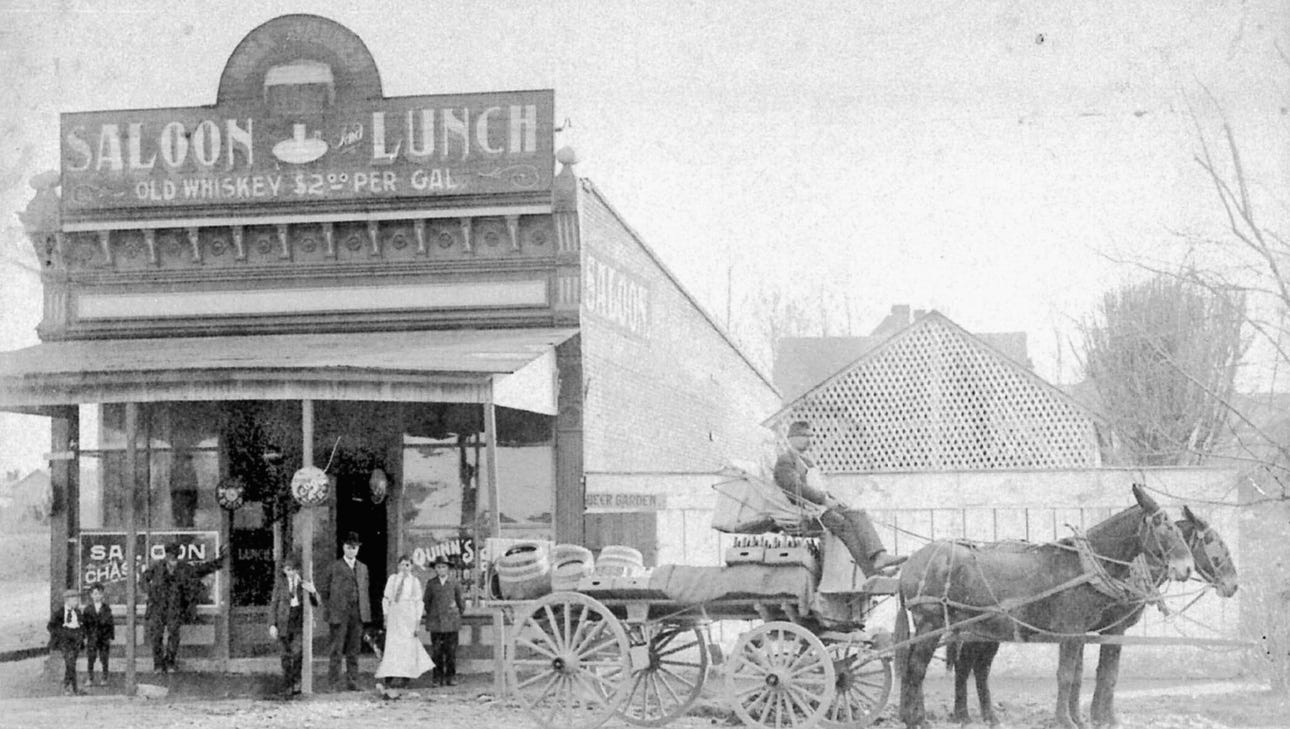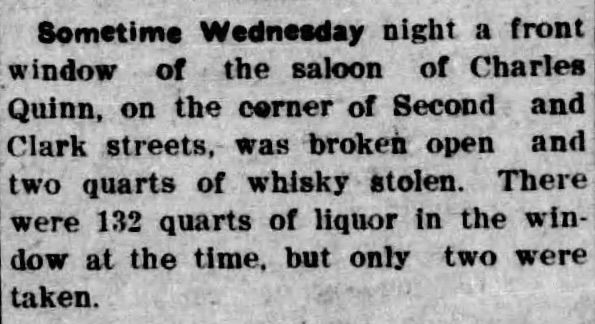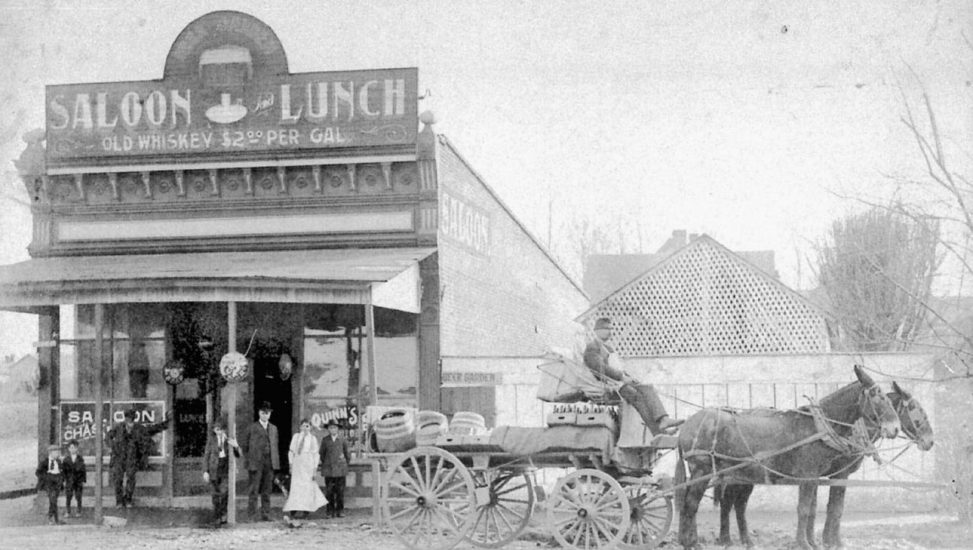
Standing at the corner of Second and Clark Streets around 1900 was one of Henderson’s more recognizable neighborhood establishments, Charles J. Quinn’s saloon.
The photograph captures a moment that feels both ordinary and telling. A horse-drawn wagon sits out front, barrels loaded, likely full of the very product advertised above the entrance. Painted boldly across the top of the building is a sign that reads “Saloon and Lunch,” with an even more eye-catching detail beneath it: “Old Whiskey $2.00 per gallon.”
That single line says a lot about the time. Whiskey wasn’t just a drink-it was a commodity, sold in bulk and woven into daily life. Quinn’s place wasn’t simply a bar; it was part tavern, part lunch counter, and part supply stop for locals moving through this part of town.
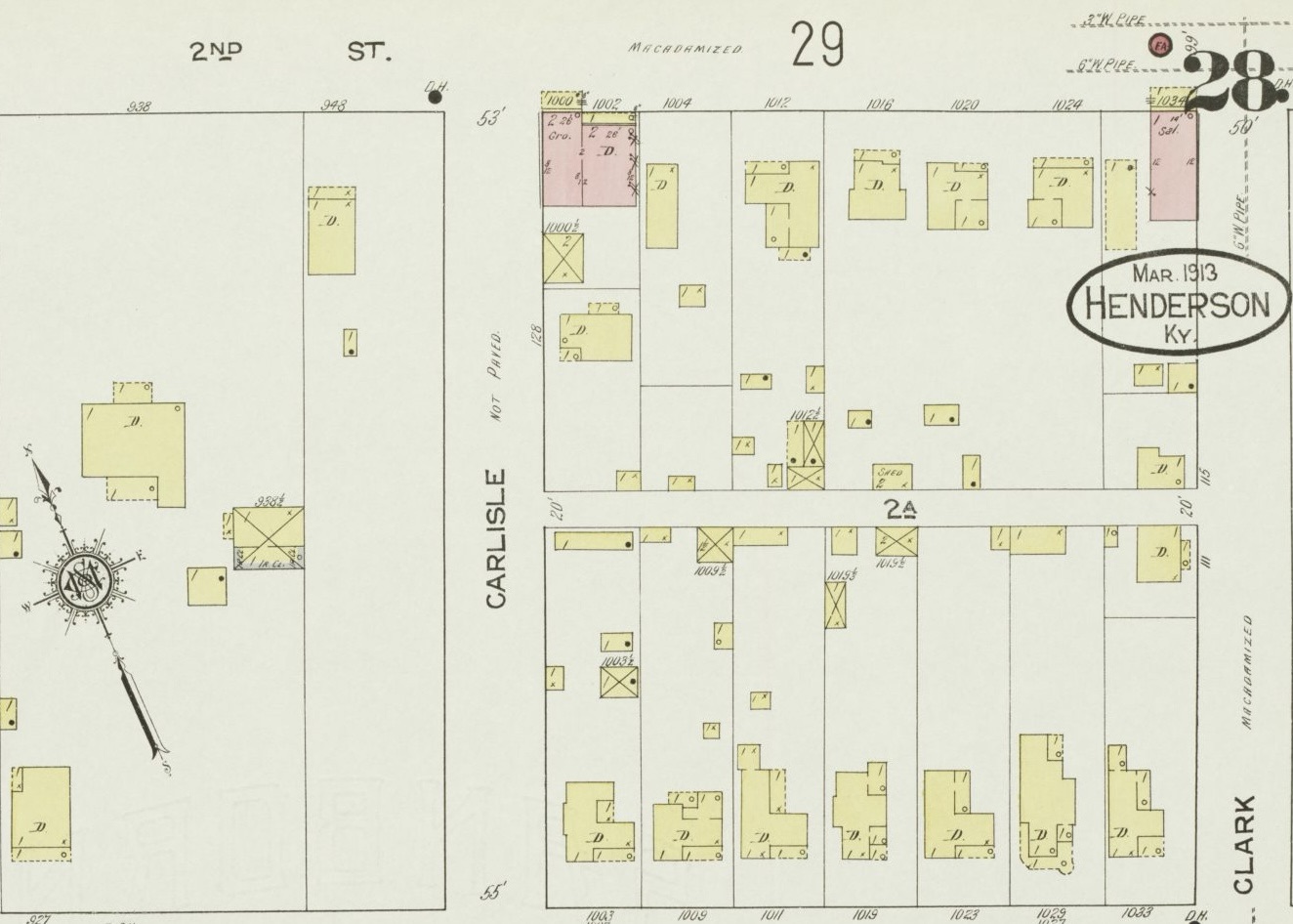
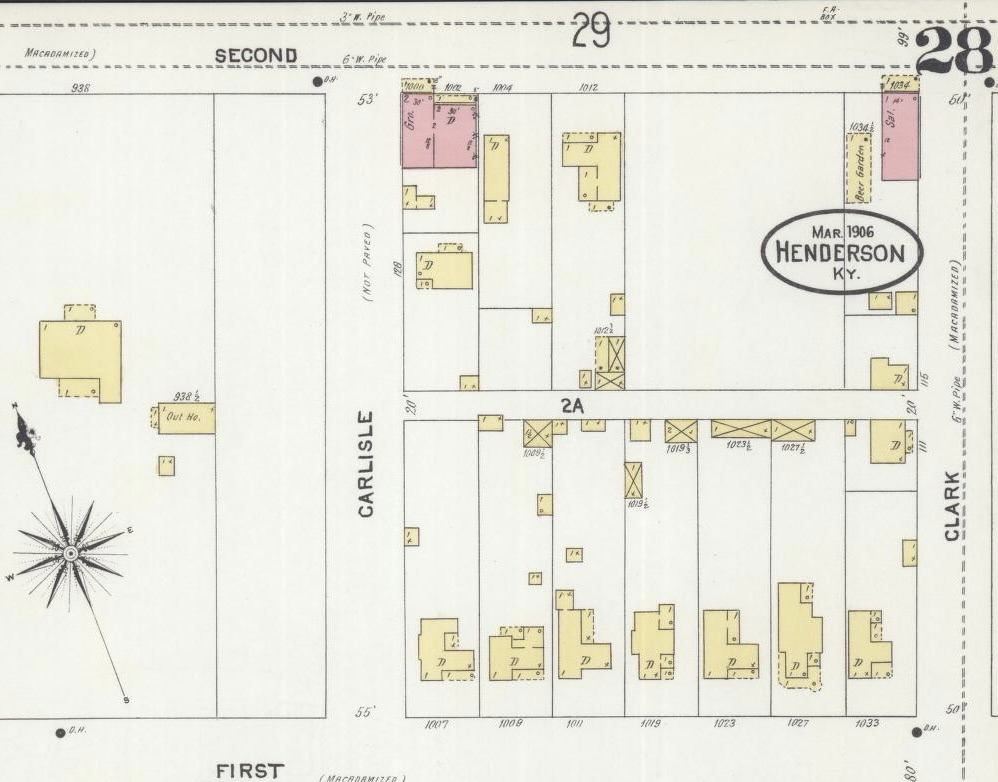
By the early 1900s, this stretch of Second Street sat just outside the more densely developed downtown core. Sanborn maps from 1906 and 1913 show scattered structures along Clark and Carlisle, with Quinn’s saloon anchoring this corner as a small but active hub. The presence of wagons, outbuildings, and open space nearby suggests a transitional area, where town met the more rural edges of Henderson.
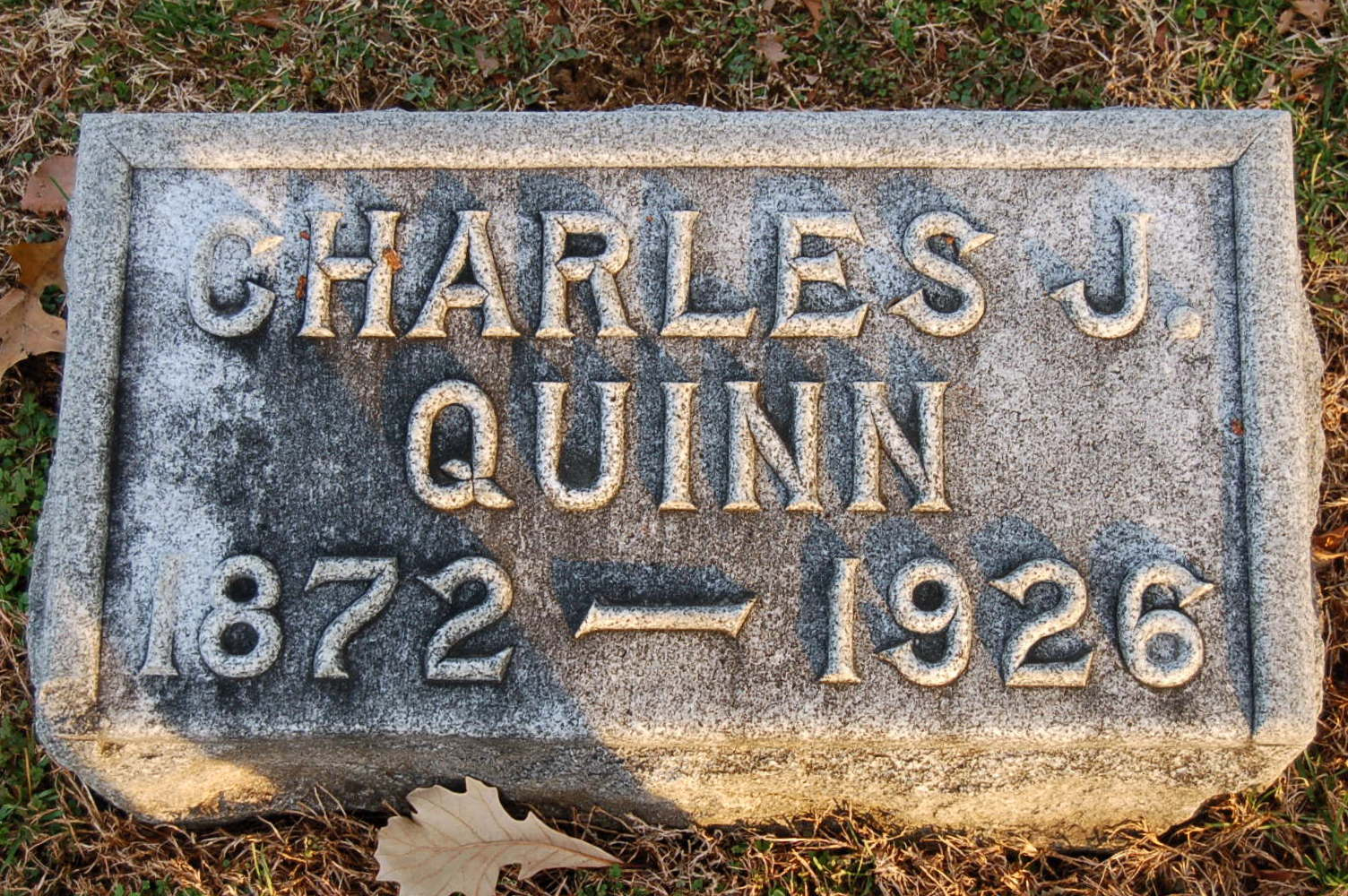
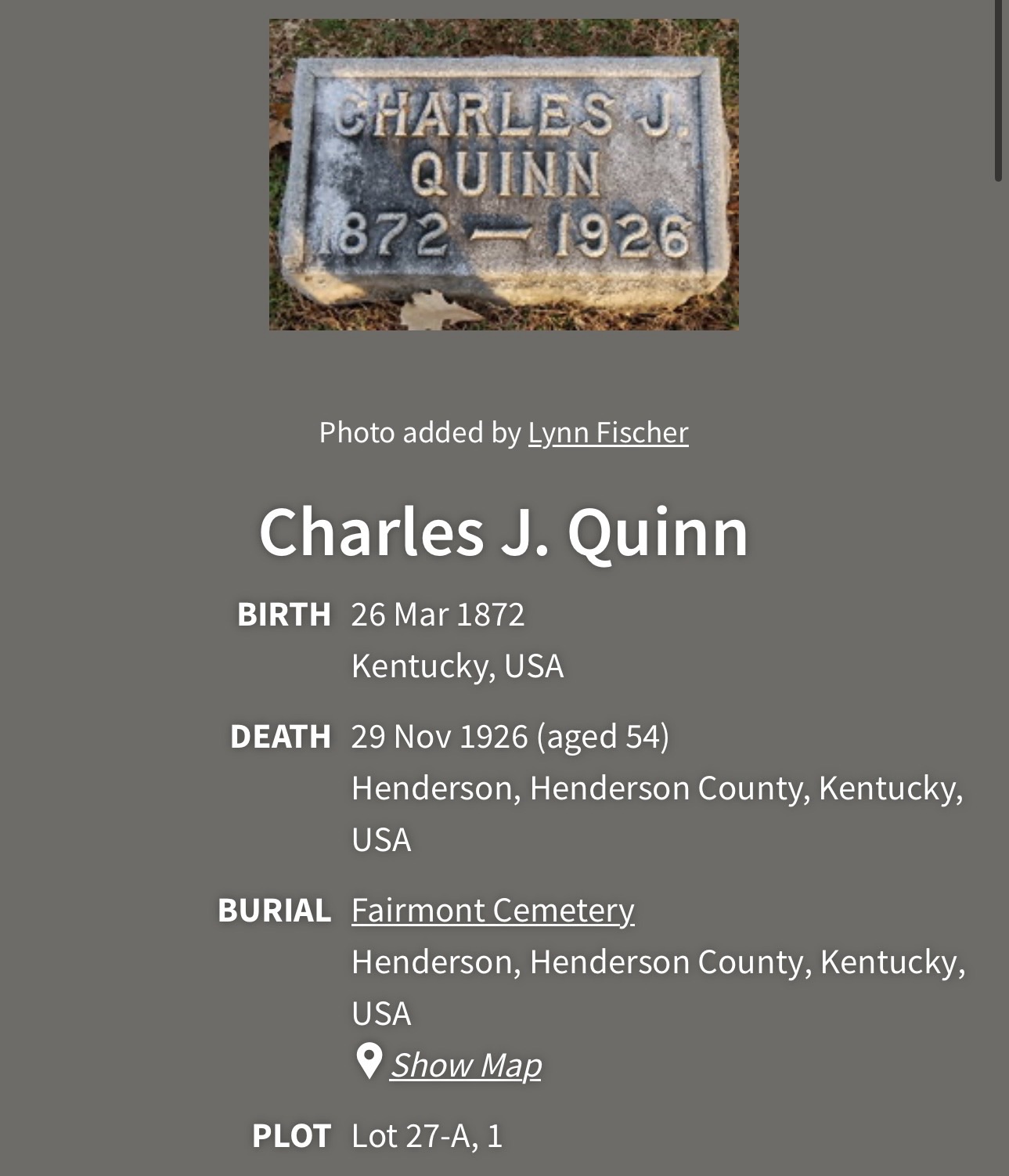
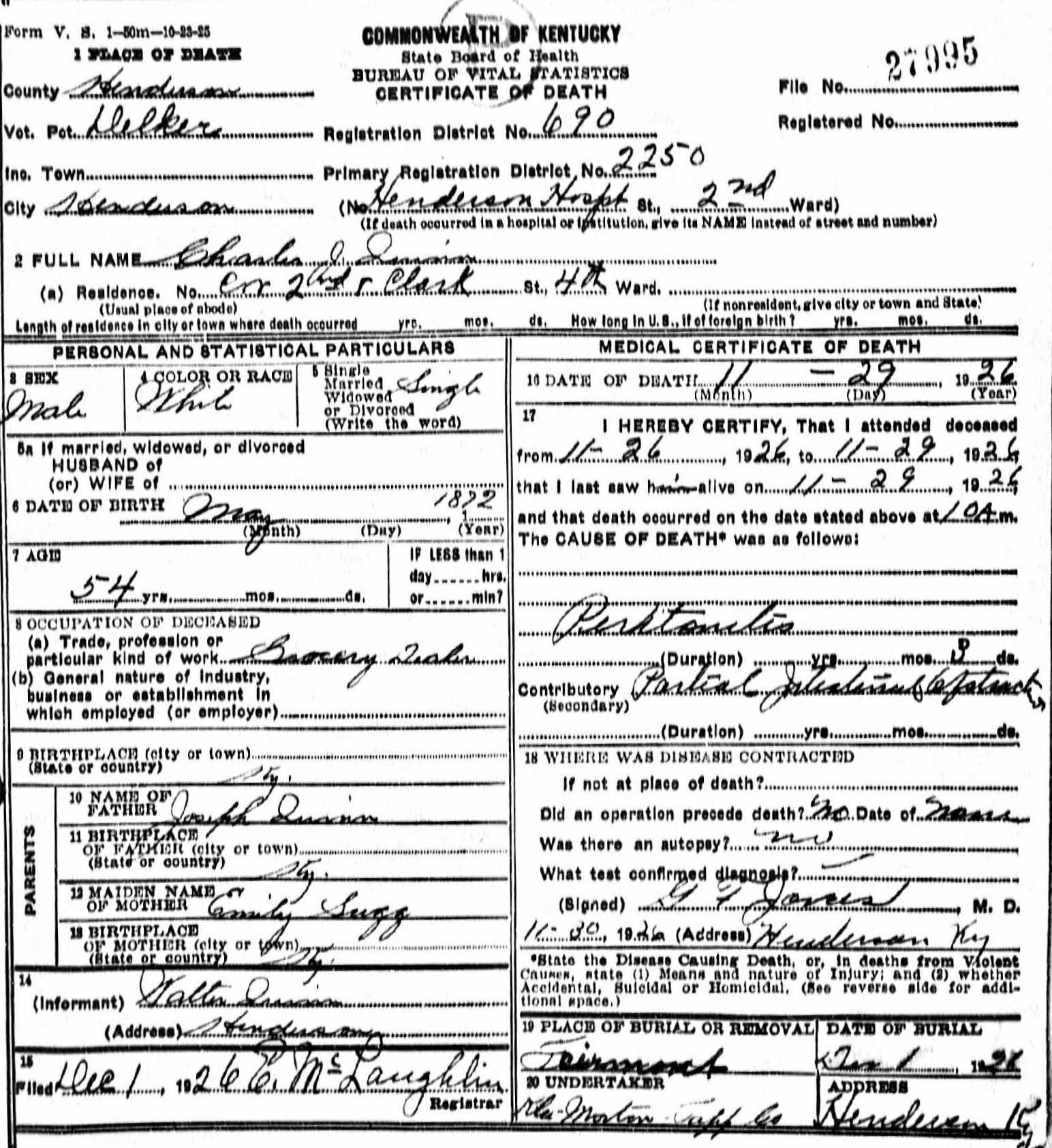
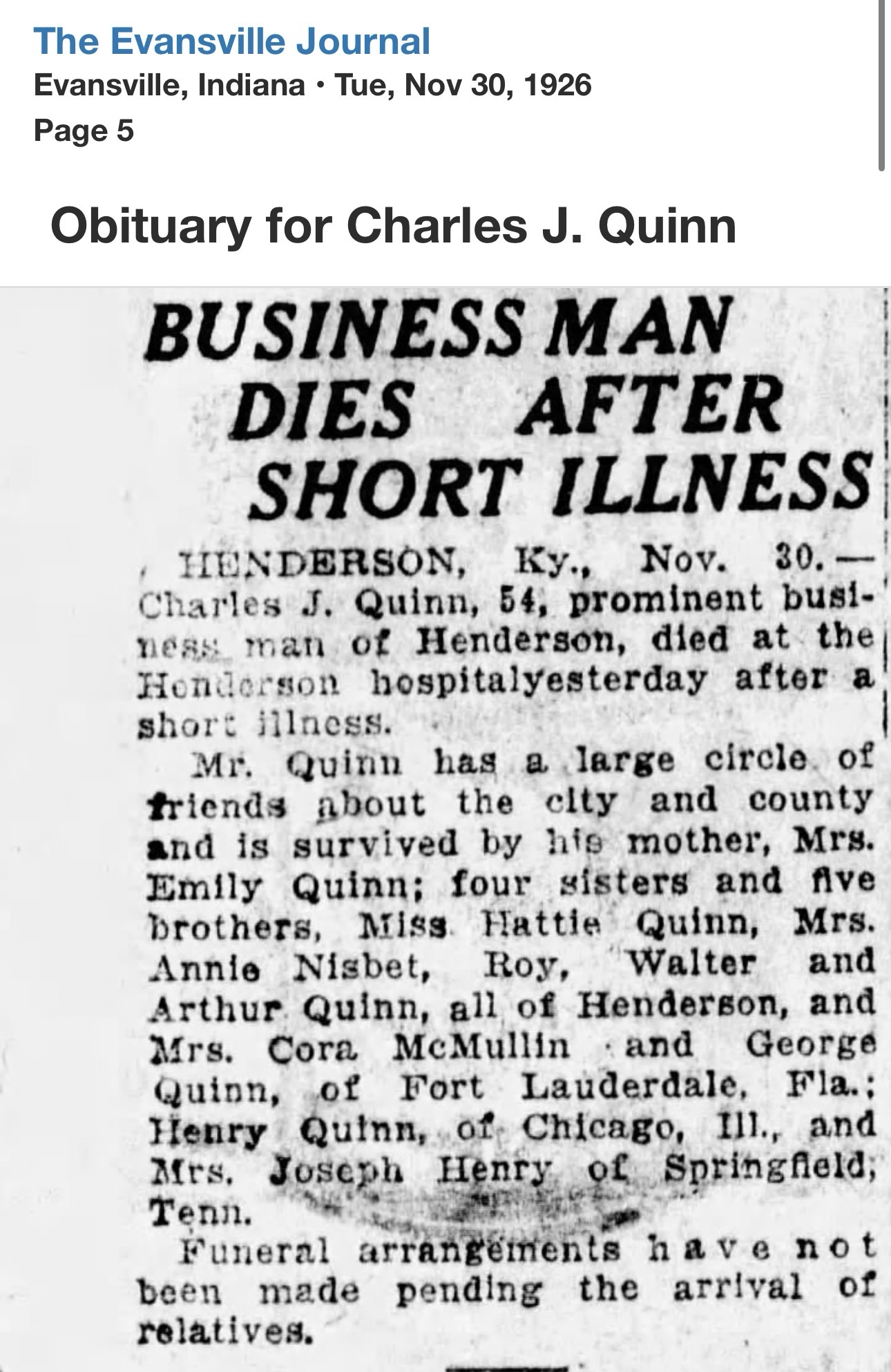
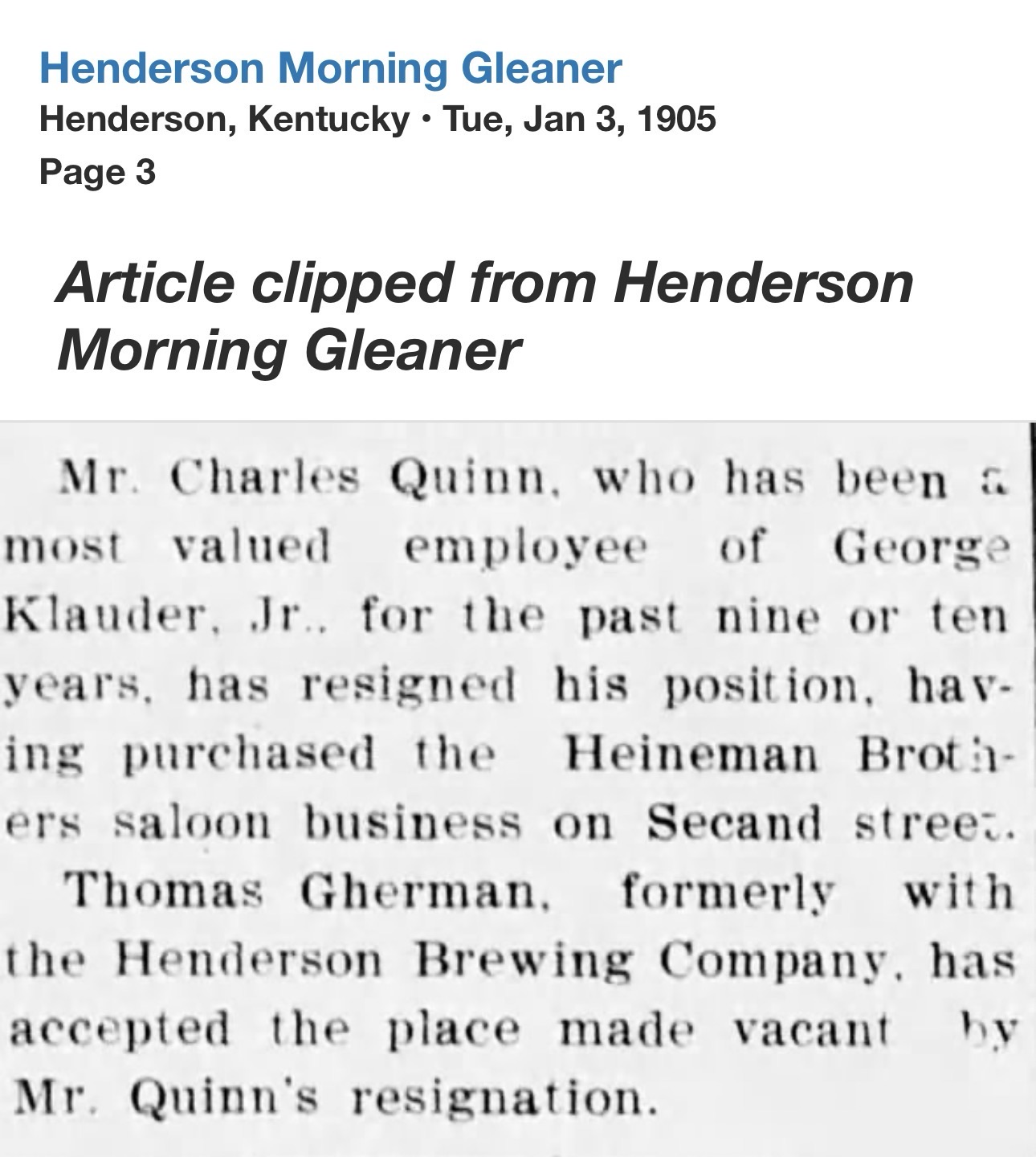
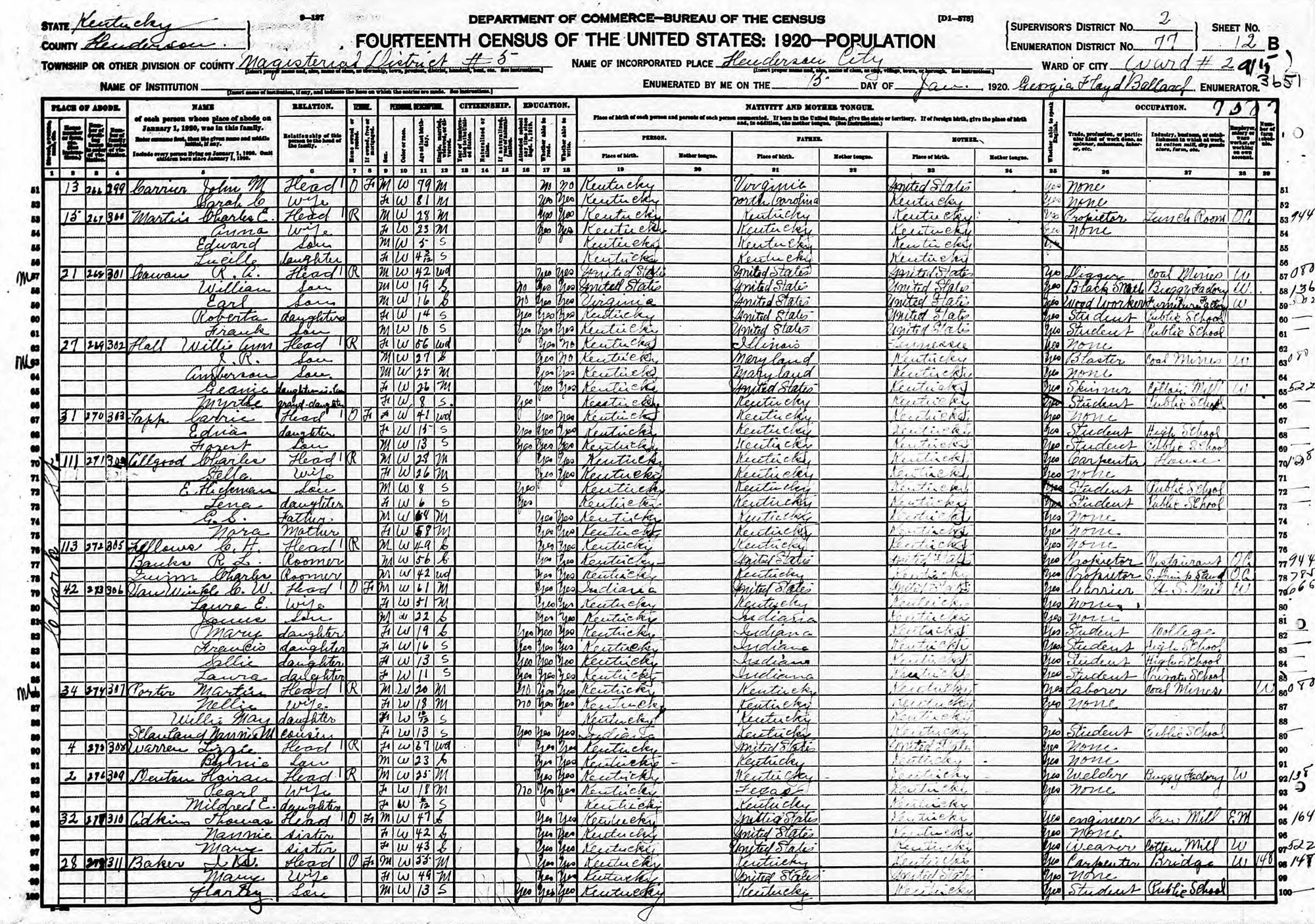
Charles J. Quinn himself was a well-known local businessman. Born in 1872, he spent his working years in Henderson building his trade and connections in the community. When he died in November 1926 at just 54 years old, newspapers noted his wide circle of friends and family throughout the city and county, evidence that his saloon was more than just a business, but a social gathering place.
Today, nothing of Quinn’s saloon remains at Second and Clark. The building, the barrels, and even the idea of buying whiskey by the gallon have all faded into history. But this image preserves a small piece of everyday life in Henderson, where a simple corner saloon served as a meeting place, a marketplace, and a reflection of its time.