First Sergeant Payton Bibb: A Henderson Soldier in the 118th U.S. Colored Infantry
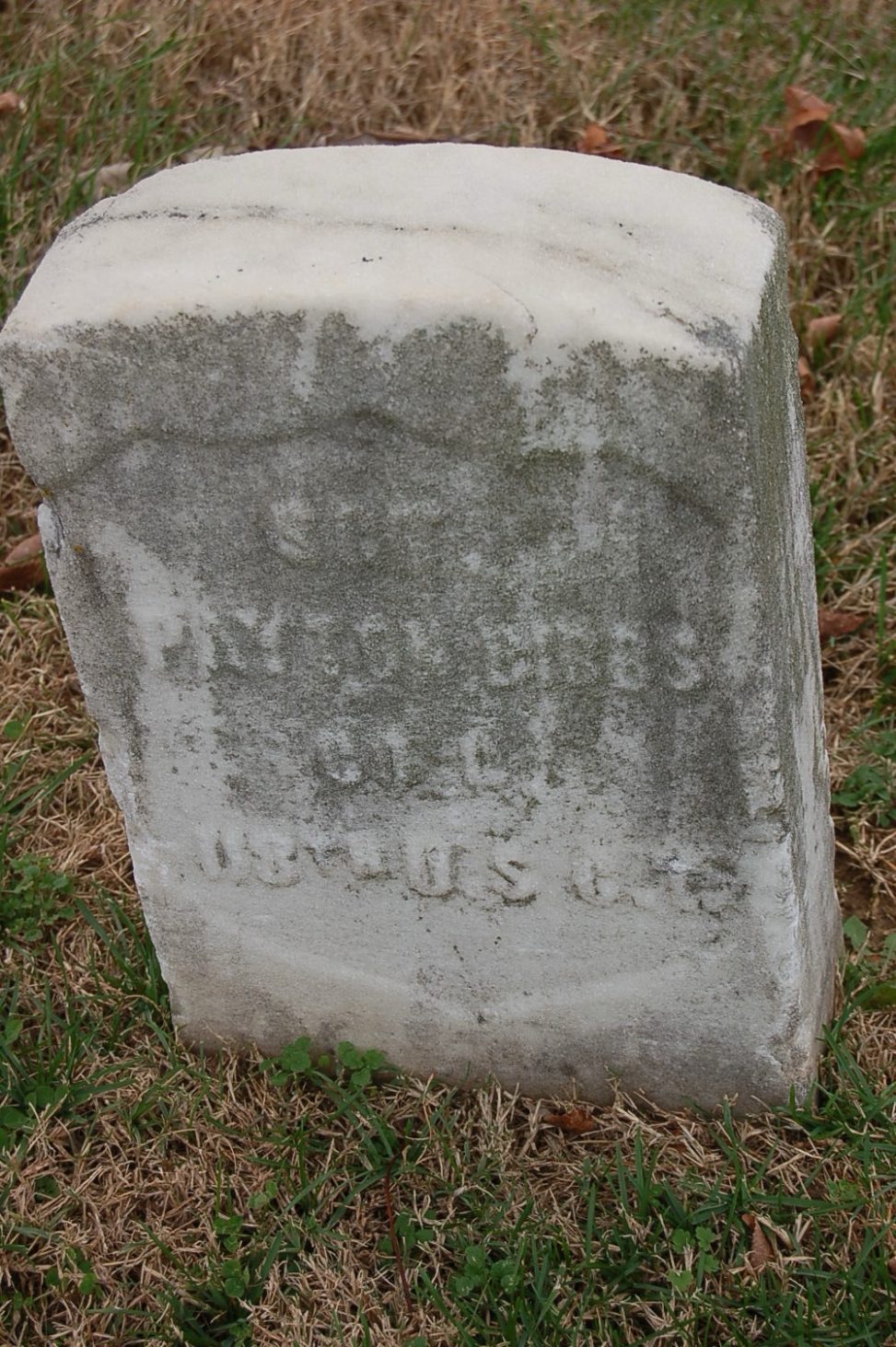
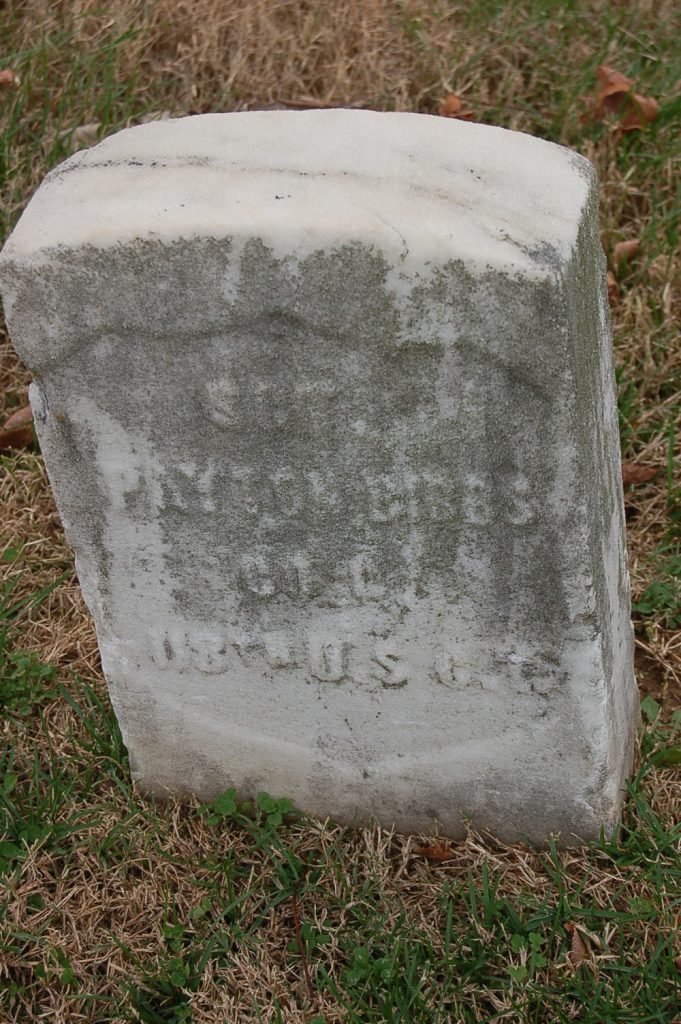
A weathered military marker in Henderson’s Fernwood Cemetery bears only a few words:
PAYTON BIBBS
1ST SGT
CO G
118 USCI
Behind that brief inscription is the story of a Black Hendersonian who served as a senior enlisted soldier during the closing months of the Civil War, participated in the Union occupation of the former Confederacy, and returned home to build a life as a skilled tradesman.
Early Life in Kentucky
Payton Bibb, whose name also appears as Peyton Bibb and Payton Bibbs, was born in Kentucky. In a sworn statement given to a federal pension examiner in 1897, he supplied his birth date as September 19, 1829. The 1870 census, which listed him as 41 years old, generally supports a birth around 1829.
Little has been discovered about Bibb’s childhood or parents. Because he was a Black man born in Kentucky while slavery remained legal, it is possible that he was born enslaved. The later ratification of his marriage to Nancy is also consistent with the experience of formerly enslaved couples whose marriages were not legally recognized before emancipation.
Bibb testified that before entering the Army he worked as a laborer. Military papers described him as five feet four inches tall, with a Black complexion, Black hair, and Black eyes.
Marriage and Family
Payton Bibb and Nancy Rouse were married around 1854, when slavery was still legal in Kentucky. Like many Black couples of the period, they may have considered themselves husband and wife for years without having a marriage recognized by civil authorities.
Their daughter, Lucy, was born in 1856. She later married and was known as Lucy Dugard.
A pension review records that Payton and Nancy’s earlier marriage was formally ratified on August 17, 1872. This was not the beginning of their marriage, but the legal recognition of a union that had existed since about 1854.
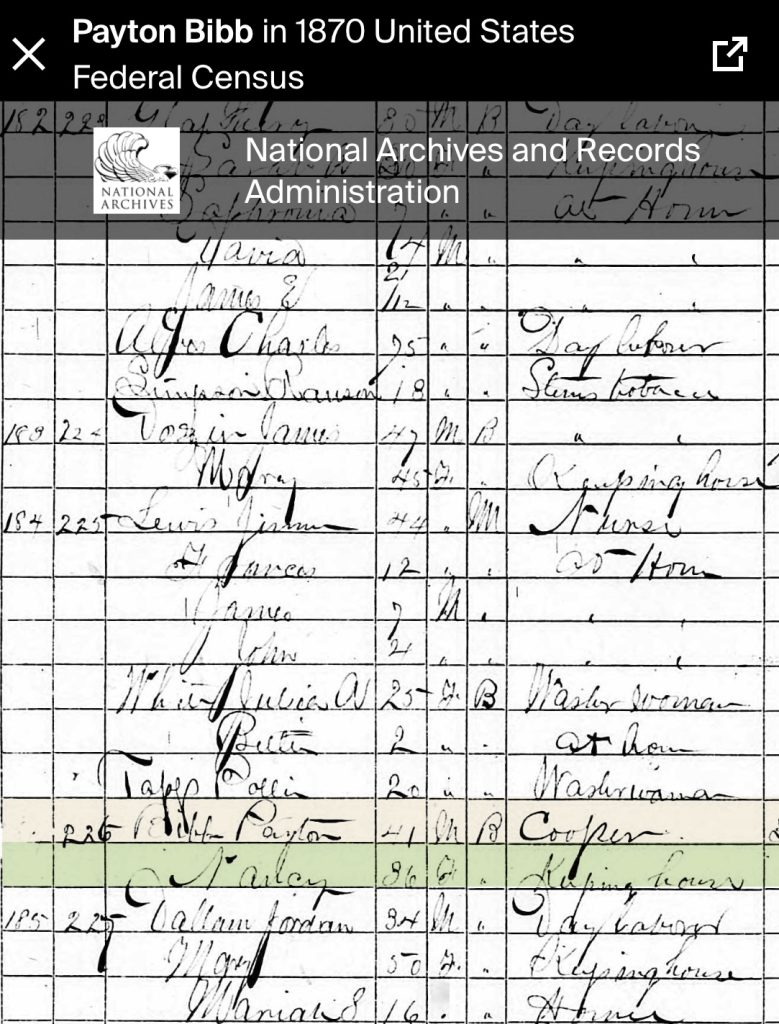
The 1870 United States census, taken two years before the ratification, confirms that Payton and Nancy were already living together as a household in Henderson. Payton was listed as a 41-year-old cooper, while Nancy, recorded as 36, was keeping house. Ages recorded for Nancy vary considerably among the surviving census, pension, and death records.
The ratification document also stated that neither Payton nor Nancy had another former spouse. Nancy never remarried after Payton’s death.
Enlisting at Owensboro
On September 19, 1864, his thirty-fifth birthday, Bibb enlisted at Owensboro, Kentucky, in Company G of the 118th United States Colored Infantry.
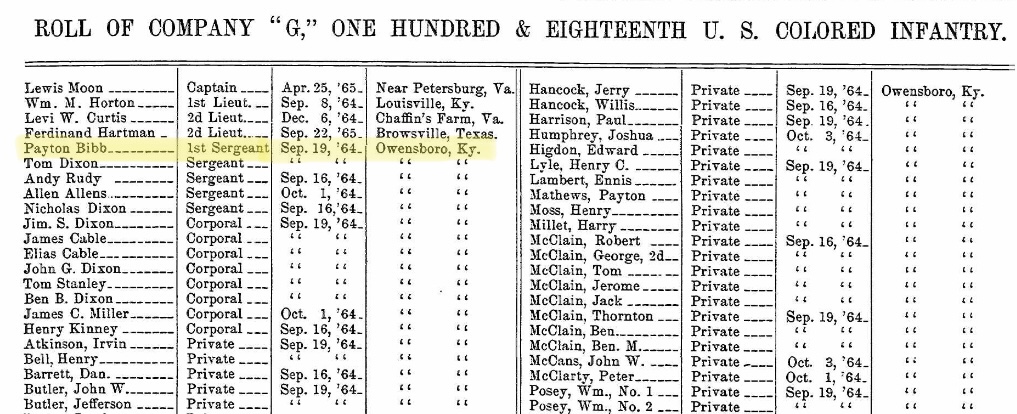
The company roll identifies him as its first sergeant. One military record initially listed him as a private, suggesting that he may have been promoted when the company was organized. In either case, the surviving company roll and nearly all of his pension records recognize him as First Sergeant Payton Bibb.
First sergeant was the highest regular enlisted rank in a Civil War infantry company. The position carried substantial responsibility. A first sergeant helped maintain discipline, called the company roll, transmitted orders, supervised other noncommissioned officers, and assisted the company commander with the daily administration of the unit.
For a Black Kentuckian entering the Army in 1864, reaching this position was a significant achievement. Although the commissioned officers of United States Colored Troops regiments were generally white, Black noncommissioned officers such as Bibb provided essential leadership within their companies.
Company G was commanded by Captain Lewis Moon. Its surviving roll shows that many of its enlisted men entered the service at Owensboro during September and October 1864.
From Virginia to Texas
The 118th United States Colored Infantry was formally organized at Baltimore on October 19, 1864. Ten days later it moved to City Point, Virginia, where it joined the Union forces operating against Petersburg and Richmond.
According to the National Park Service’s regimental history, the 118th participated in the siege operations against Petersburg and Richmond from November 1864 through April 1865. On April 3, 1865, soldiers of the regiment entered and occupied Richmond after Confederate forces abandoned their capital.
Bibb’s service record indicates that he remained present for duty with his company. His regiment therefore placed him within one of the most consequential events of the war: the collapse and occupation of the Confederate capital.
The war’s end did not immediately bring Bibb home. The 118th remained on duty in Virginia until June 1865 and then traveled by sea to Brazos Santiago, Texas. The regiment performed occupation and border duty at Brownsville and other locations along the Rio Grande.
Bibb and his comrades served in Texas for approximately seven months after the principal Confederate armies had surrendered. This was an important part of the federal effort to restore United States authority along the border and begin enforcing emancipation in the former Confederacy.
On February 6, 1866, Bibb was honorably mustered out with his company at White’s Ranch, Texas. He had served for approximately sixteen months.
Returning to Henderson
After leaving the Army, Bibb returned to Henderson County and remained there for the rest of his life. He became a cooper, a skilled craftsman who made and repaired wooden barrels, tubs, and similar containers.
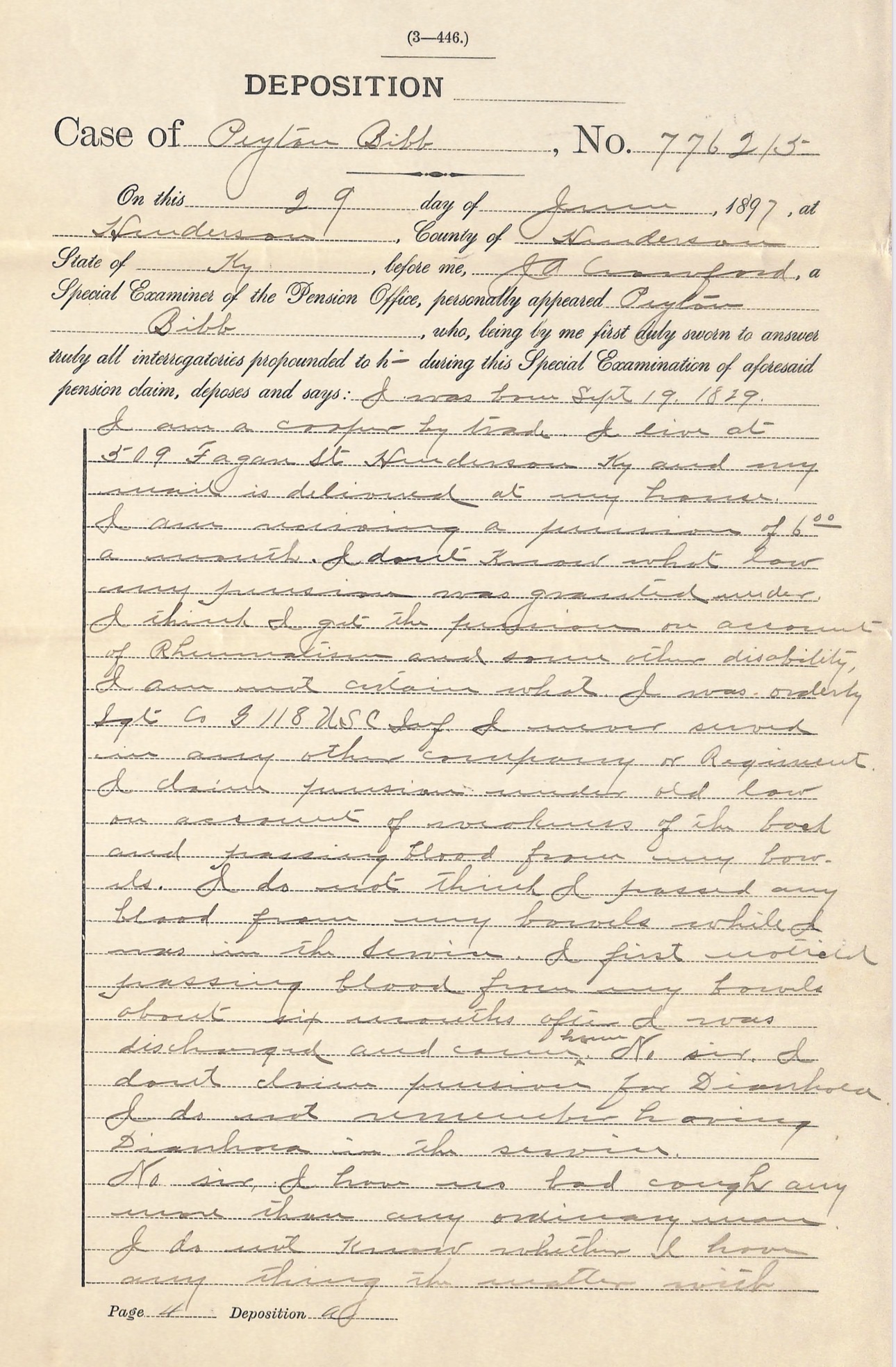
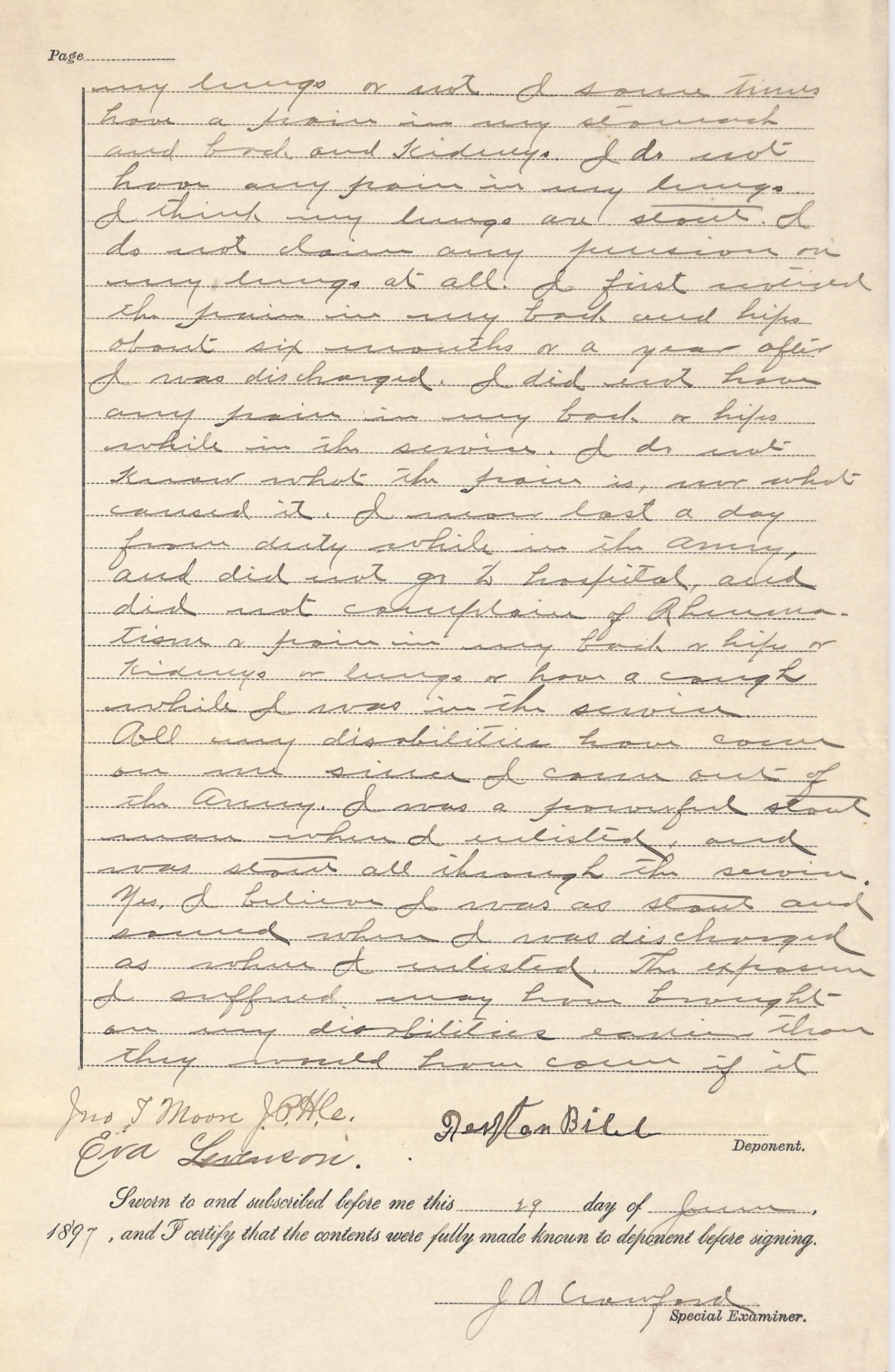
By the 1890s, Payton and Nancy’s home was listed as 509 Fagan Street. In an 1897 deposition, Bibb described himself simply and directly: “I am a cooper by trade. I live at 509 Fagan St., Henderson, Ky., and my mail is delivered at my house.”
The Struggle for a Pension
As Bibb grew older, rheumatism, pain, weakness, and other physical problems made it increasingly difficult for him to continue his trade.
He first applied for a federal disability pension in 1887. Former comrades, including William Posey and Willis Hancock, submitted affidavits describing illnesses and physical difficulties they remembered Bibb experiencing during the war. They recalled exposure, hard marching, coughing, pain, and rheumatism while the regiment served in Virginia and Texas.
Bibb’s case was complicated by uncertainty about when some of his ailments began. During a special examination in 1897, he candidly told the examiner that he could not claim with certainty that all his later disabilities had originated during military service. His testimony demonstrated a willingness to distinguish what he knew from what he could not honestly prove.
The federal government eventually approved his pension under the Act of June 27, 1890. That law allowed pensions for honorably discharged Union veterans who had become unable to support themselves through manual labor, even when their disabilities could not be proven to have originated during military service.
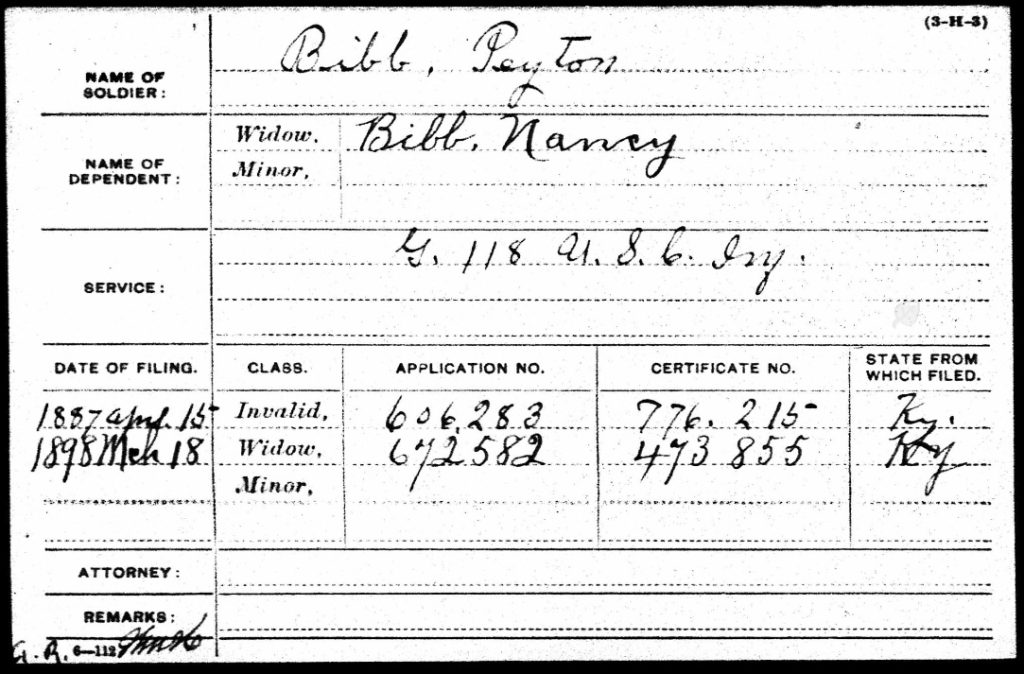
Beginning August 20, 1891, Bibb received a pension of six dollars per month for rheumatism and general debility. His pension certificate was numbered 776,215.
Medical examinations described chronic pain and increasing difficulty performing physical work. In 1897, a physician recorded that Bibb sometimes managed reasonably well but became stiff and sore in his shoulder, hip, and back after sustained labor. Bibb requested a higher pension because his health continued to decline, but the six-dollar monthly rate remained in effect.
Death and Burial
First Sergeant Payton Bibb died on March 1, 1898. He was approximately 68 years old.
He was buried in Fernwood Cemetery in Henderson beneath a government-issued military marker recognizing his service in Company G of the 118th United States Colored Infantry. The stone spells his surname “Bibbs,” one of several variations found in surviving records.
Following his death, Nancy Bibb applied for a widow’s pension. Her application was approved at eight dollars per month, effective March 18, 1898. In 1916, her pension was increased to twenty dollars per month under a law providing additional assistance to widows of Civil War veterans.
Nancy continued to own a house and lot in Henderson. She later traveled to St. Louis, Missouri, where members of her family lived. She died there on April 19, 1921, from arteriosclerosis. Her family arranged for her body to be returned to Henderson, and she was buried in Fernwood Cemetery on April 22.
Payton and Nancy’s daughter, Lucy Dugard, died in 1916 and is also buried in Fernwood Cemetery in Section 18, Lot 1702. Nancy was buried in the same lot in Grave 1X, while Lucy was placed in Grave 5X.
The pension file identifies Robert Lewis Sr. as Nancy’s grandson and one of her heirs, confirming that the family continued into another generation.
Remembering Payton Bibb
Payton Bibb’s life represents an important chapter in Henderson’s African American and Civil War history.
He and Nancy established their family around 1854, at a time when the marriages of Black Kentuckians could be denied legal recognition. Their marriage endured through slavery, civil war, emancipation, military service, and the difficult process of building a life in freedom. Its formal ratification in 1872 placed legal recognition behind a union that had already existed for approximately eighteen years.
Bibb enlisted when Black Kentuckians were claiming both their freedom and a place in the armed forces of the United States. He became the senior enlisted soldier of his company, served during the final operations against Petersburg and Richmond, entered the former Confederate capital with his regiment, and remained in federal service along the Rio Grande after the fighting had ended.
He then returned to Henderson, worked for decades as a cooper, established a home on Fagan Street, and fought through an extensive federal bureaucracy to obtain the pension he had earned through his service.
His grave marker may be modest, but the life it commemorates was not. First Sergeant Payton Bibb was a soldier, tradesman, husband, father, and longtime Henderson resident whose story deserves a permanent place in the history of the community he called home.
Sources:
- Civil War pension file of Payton Bibb, Company G, 118th United States Colored Infantry, Application No. 606,283 and Certificate No. 776,215, National Archives and Records Administration.
- Widow’s pension file of Nancy Bibb, Application No. 672,582 and Certificate No. 473,855, including the record of their circa 1854 marriage and its ratification on August 17, 1872.
- 1870 United States Census, Henderson, Henderson County, Kentucky.
- Company G roll, 118th United States Colored Infantry.
- 118th Regiment, United States Colored Infantry, National Park Service.
- Fernwood Cemetery records and the military grave marker of First Sergeant Payton Bibbs.
Leave a Reply