The Henderson Man Who Built a Shield Against Fire
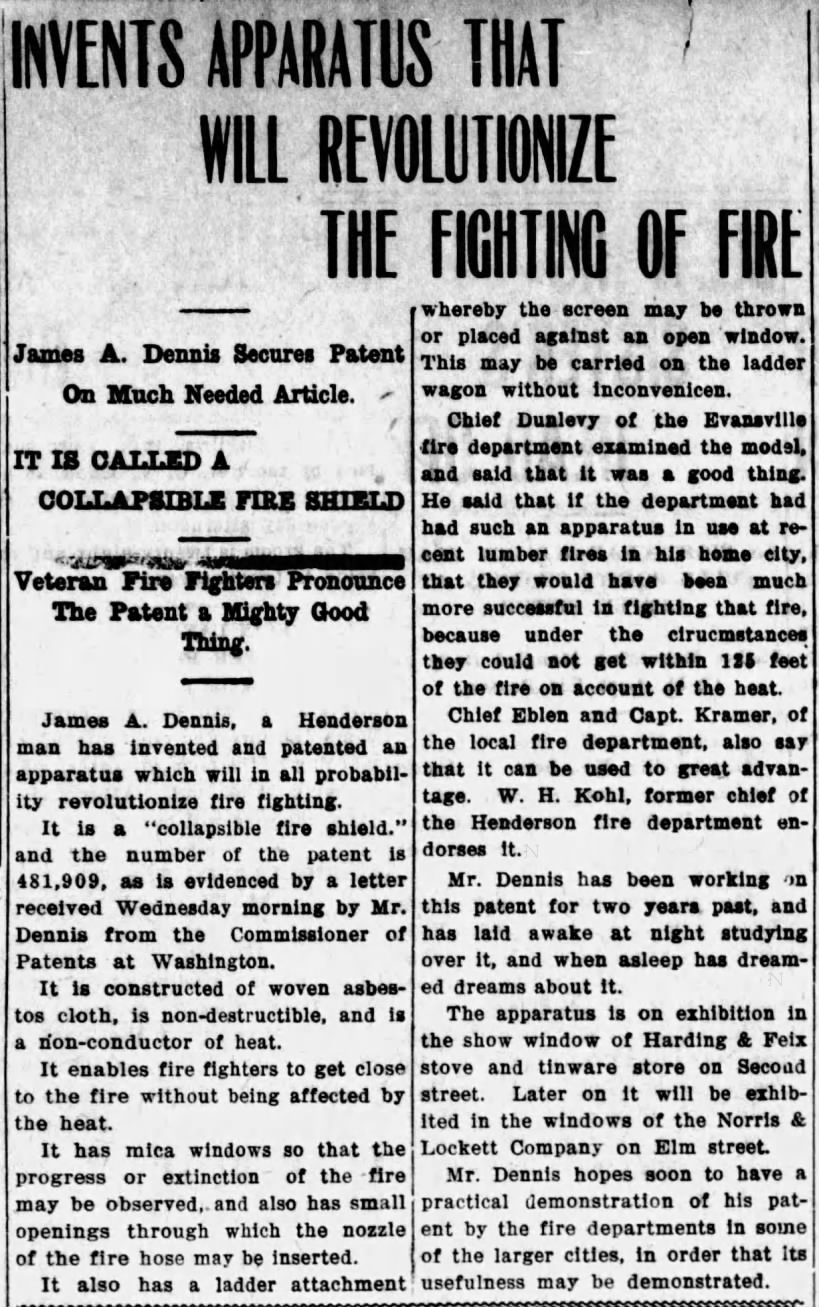
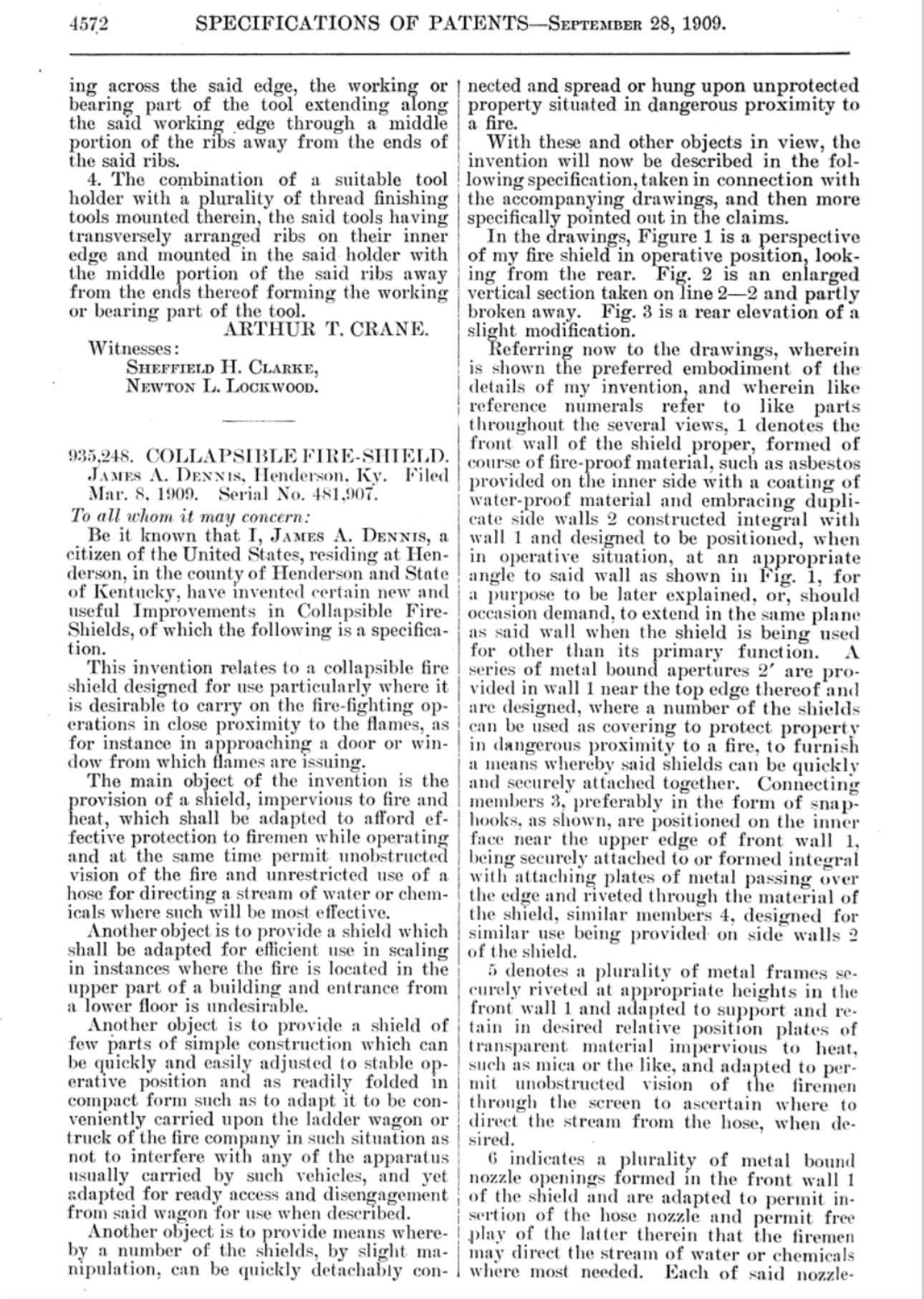
In September 1909, The Gleaner introduced readers to a Henderson invention that promised to “revolutionize the fighting of fire.” Invented by James A. Dennis, the collapsible fire shield was designed to protect firefighters from intense heat while allowing them to work closer to the flames.
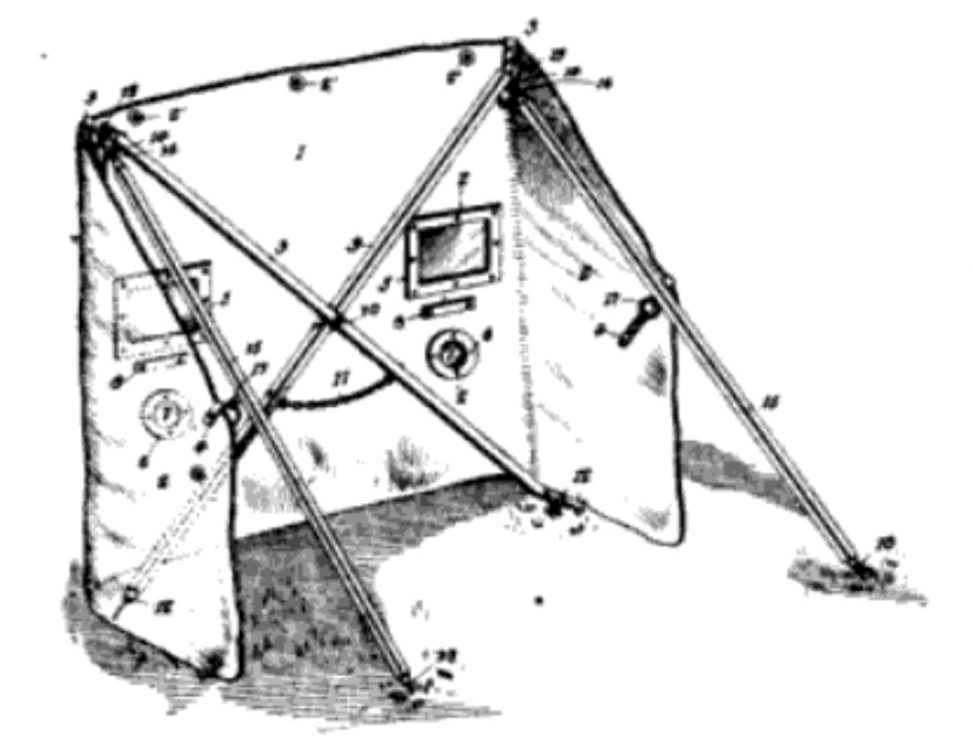
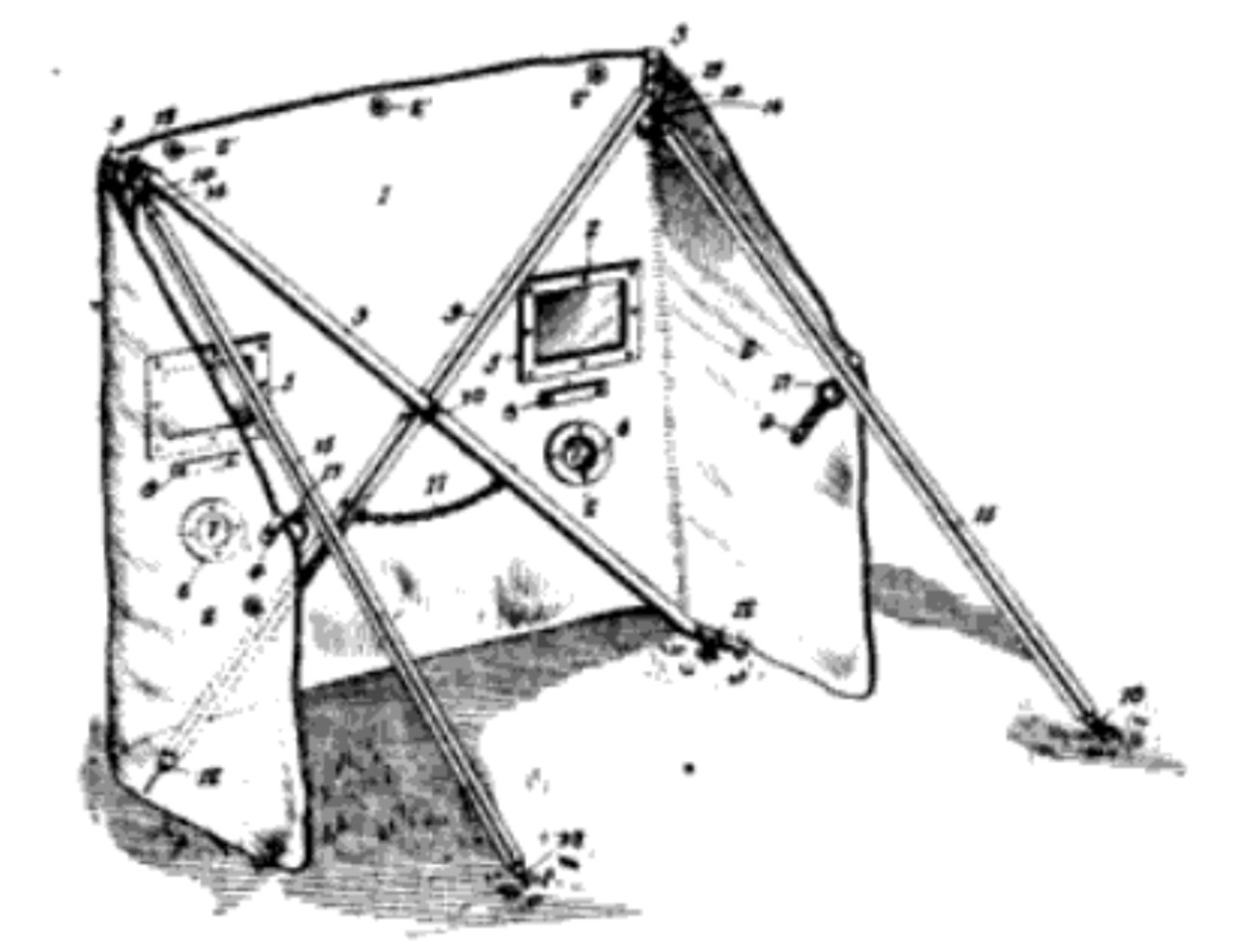
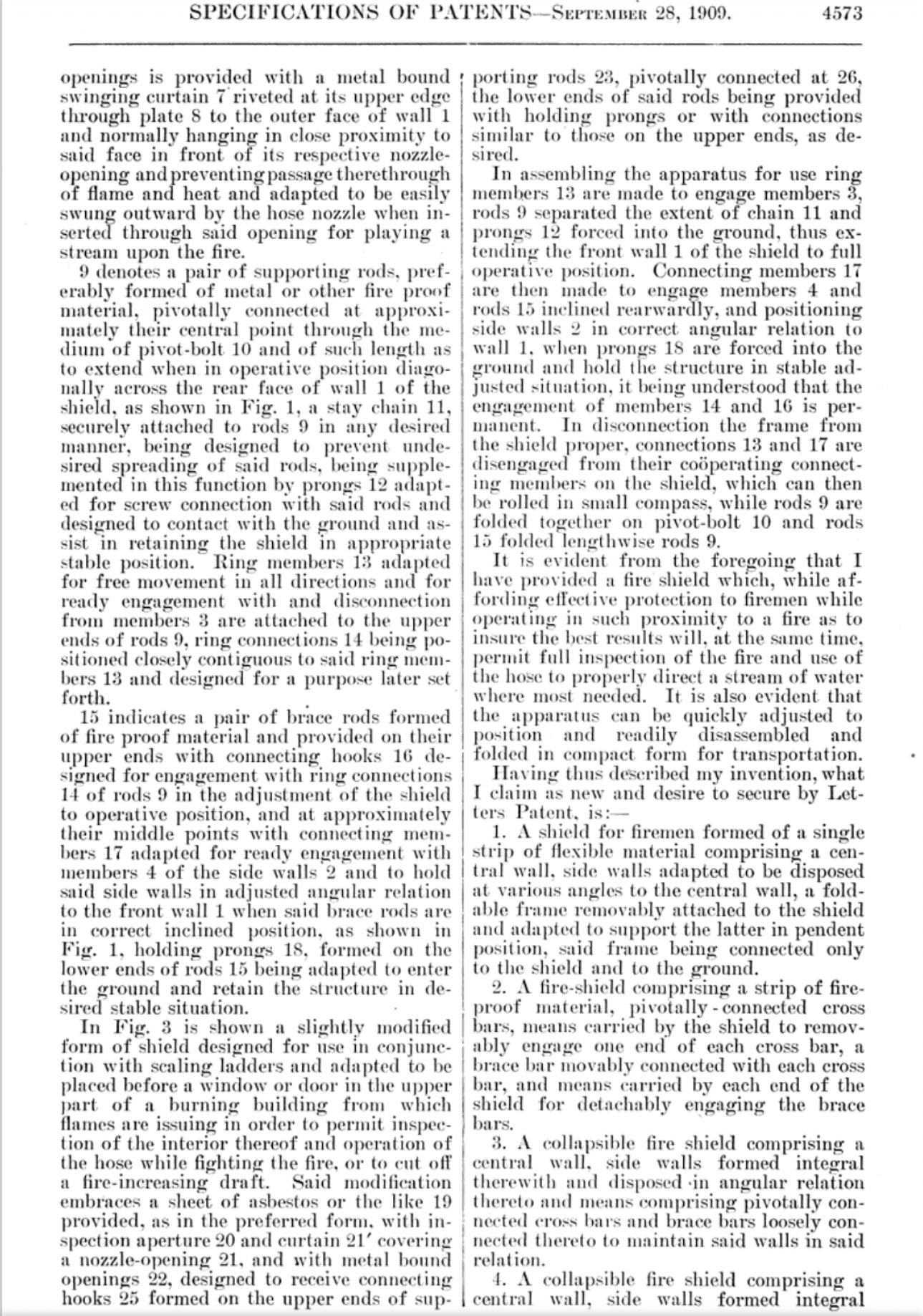
The three-sided shield was made from woven asbestos cloth, then valued for its resistance to fire and heat. Folding braces held it in place, while mica windows allowed firefighters to observe the blaze. Openings beneath the windows accommodated hose nozzles so water or chemicals could be directed through the shield.
Dennis also designed a version that could be attached to a ladder and placed against an upper-story window. When folded, the apparatus was compact enough to be carried aboard a ladder wagon or fire truck.
Experienced firefighters praised the model. Chief Dunlevy of the Evansville Fire Department recalled a recent lumber fire where crews could not get within 125 feet because of the heat. He believed Dennis’s shield would have helped them fight the blaze more successfully. Henderson Fire Chief Eblen, Captain Kramer and former Chief W. H. Kohl also endorsed the invention.
Dennis had spent two years developing the apparatus. The Gleaner reported that he lay awake at night studying the problem and even dreamed about it while asleep. His model was displayed in the window of Harding & Feix’s stove and tinware store on Second Street, with another exhibition planned at the Norris & Lockett Company on Elm Street.
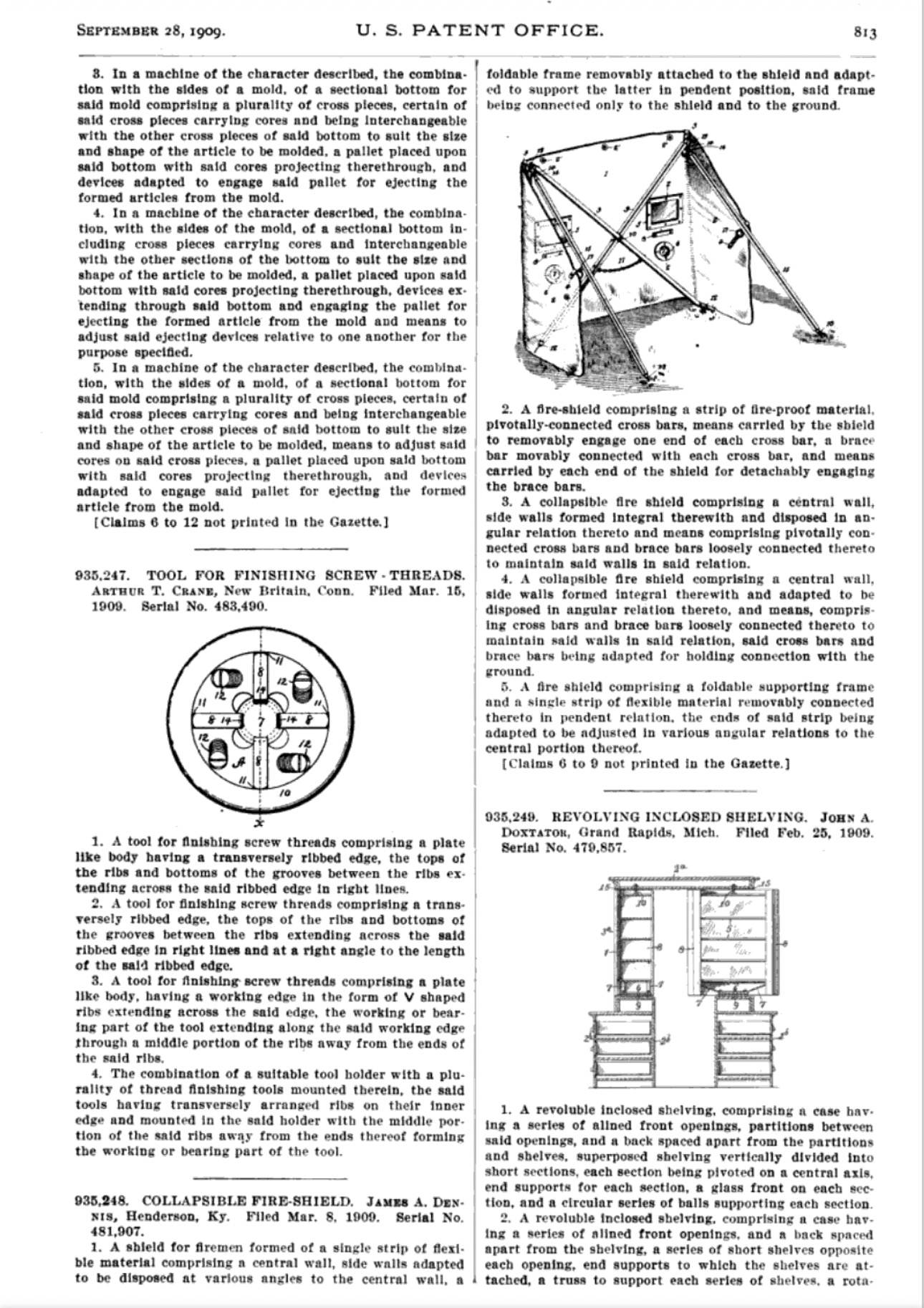
Dennis filed his patent application on March 8, 1909. The United States Patent Office formally issued Patent No. 935,248 for his “Collapsible Fire-Shield” on September 28, 1909.
Whether the shield was ever manufactured or adopted by fire departments remains unclear. Still, the surviving patent offers a fascinating example of Henderson ingenuity. James A. Dennis recognized a danger faced by firefighters and created a portable barrier intended to place protection between them and the flames.
Sources: The Gleaner, September 1, 1909, page 2; U.S. Patent No. 935,248, issued September 28, 1909.
Patent note: The Gleaner printed the number as 481,909. The official record lists application serial number 481,907 and final patent number 935,248.
Leave a Reply